Water Extraction Costs in Kansas City
Water extraction costs depend on the amount of standing water, the size of the affected area, and how difficult the water is to access and remove. A localized plumbing leak may require a relatively small extraction project, while a flooded basement or water intrusion affecting several rooms can involve substantially more labor and equipment. The following figures are broad budgeting estimates, not verified Kansas City contractor averages or guaranteed prices.
Estimated Water Extraction Project Costs
Small-Area Water Extraction
$500–$1,200
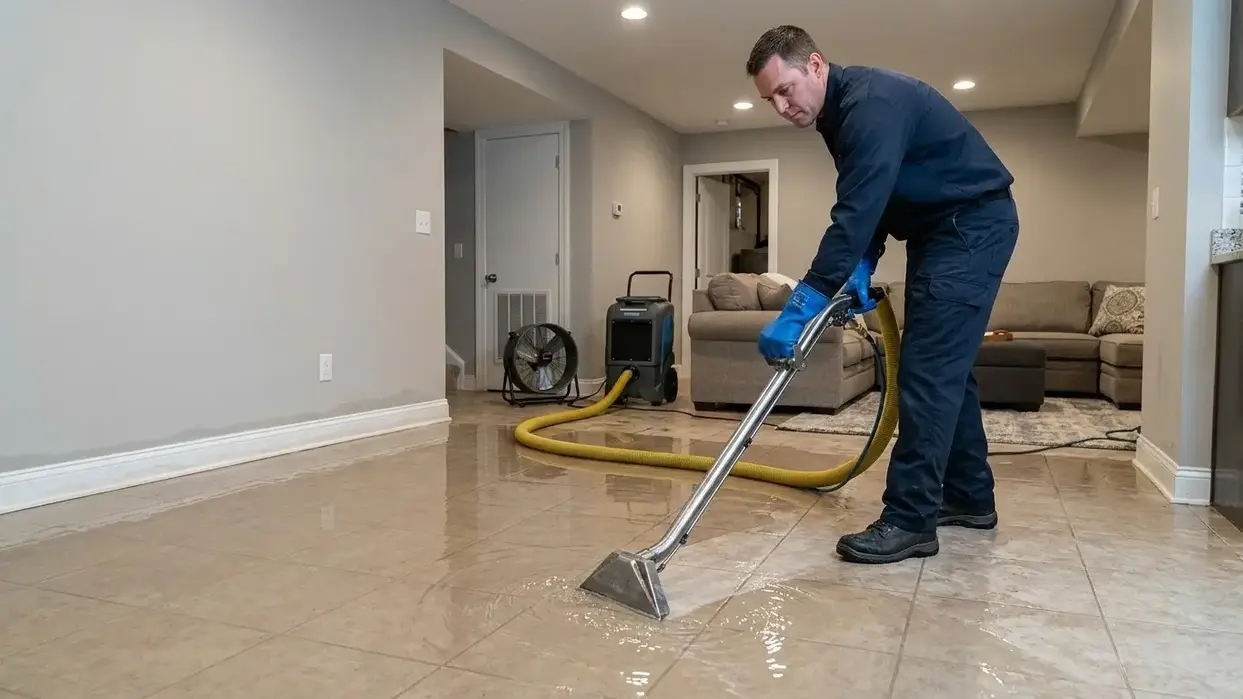
A localized leak or appliance overflow may require limited standing-water removal from one room or a small section of flooring. The amount of water, surface materials, accessibility, and labor affect the final cost.
Basement Water Extraction
$800–$2,500+
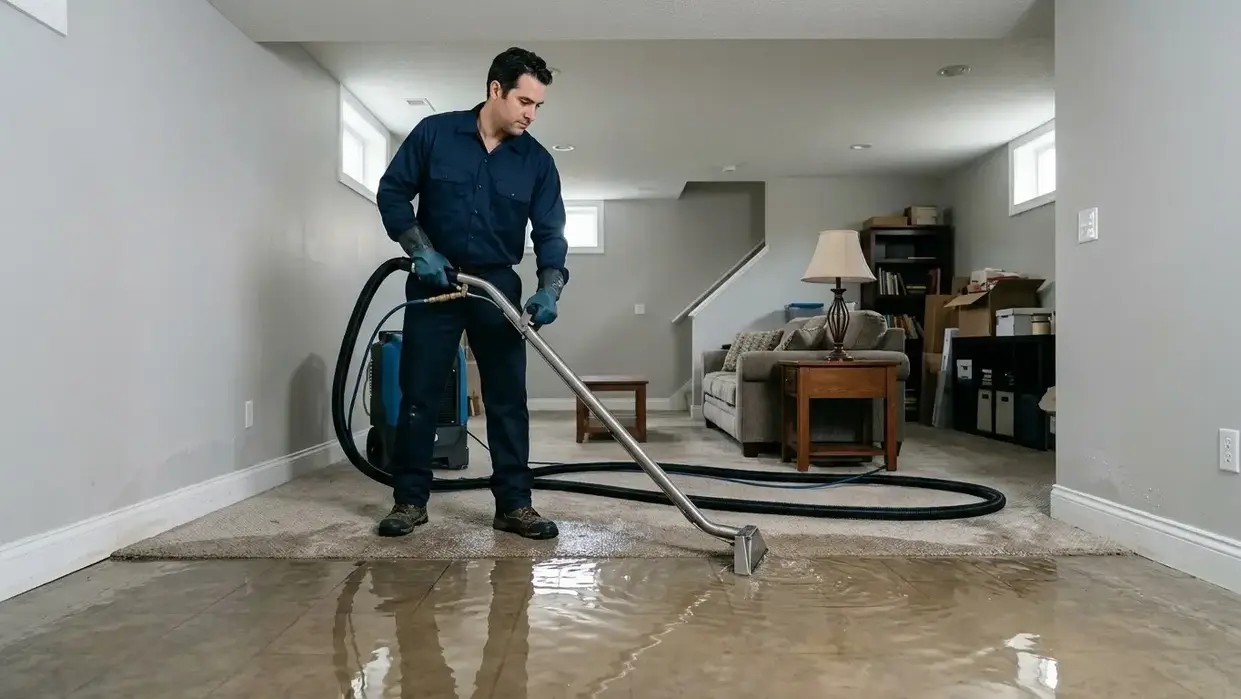
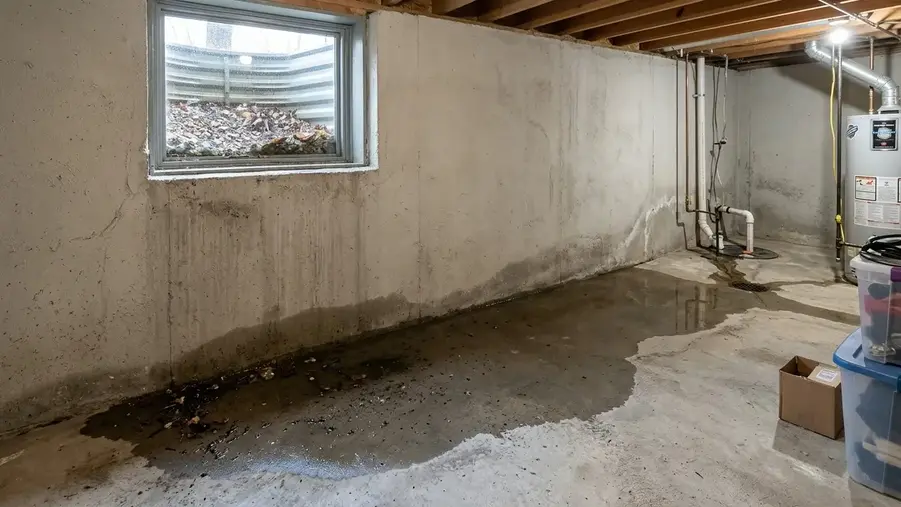
Basement water removal can involve concrete floors, carpeting, finished living spaces, and storage areas. Water depth, affected square footage, and access to flooded areas influence the amount of work required.
Multiple-Room Water Extraction
$1,500–$4,000+
Water spreading through adjoining rooms or multiple levels can require additional equipment, labor, and extraction time. The total depends on the volume of water and the number and type of affected surfaces.
Carpet & Flooring Water Extraction
$500–$1,800+
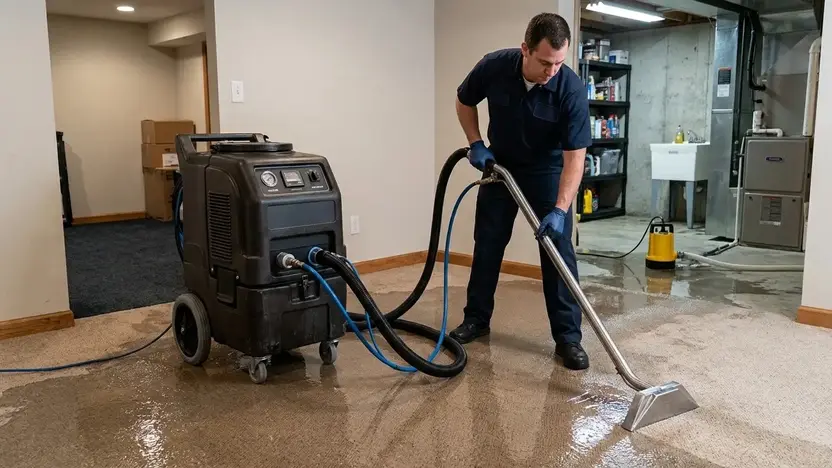
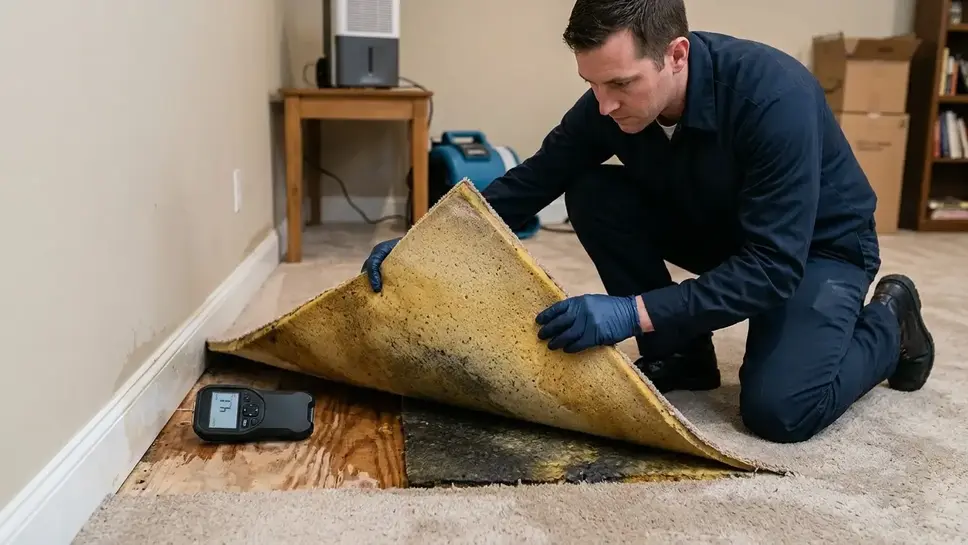
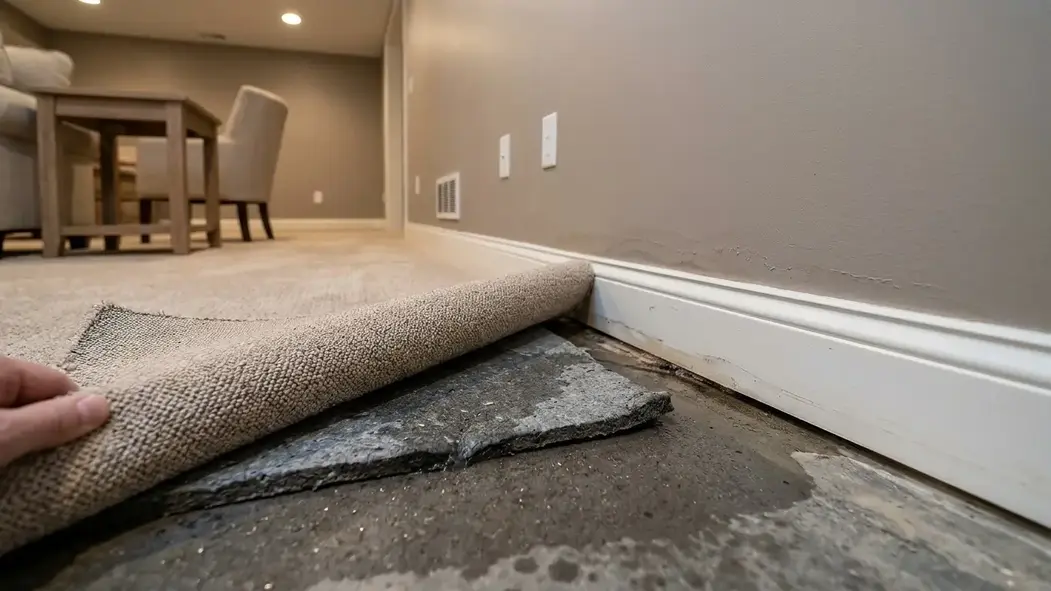
Removing accessible water from carpeted areas and other flooring surfaces depends on the affected area and the amount of water present. Water extraction alone does not establish whether carpet padding, subfloors, or other underlying materials are dry.
Heavy Standing-Water Removal
$1,500–$5,000+
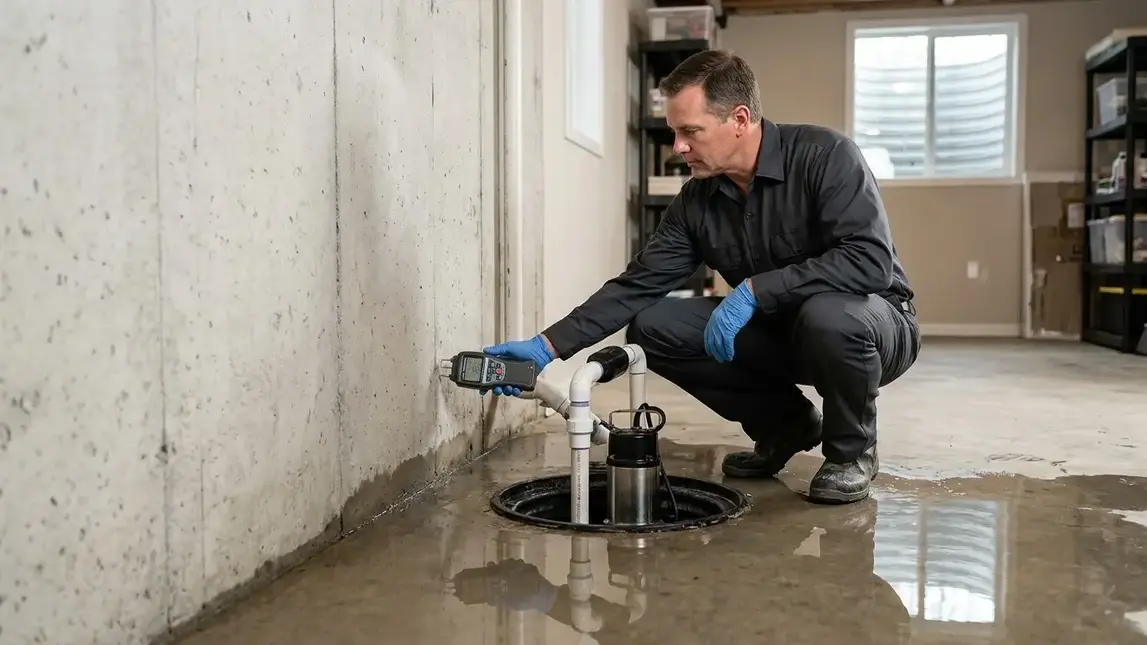
Significant flooding from burst pipes, sump pump failures, or storm-related water intrusion may require extensive water removal. Water depth, total volume, property access, and the number of affected areas can substantially increase project costs.
Extraction & Structural Drying
$1,000–$5,000+
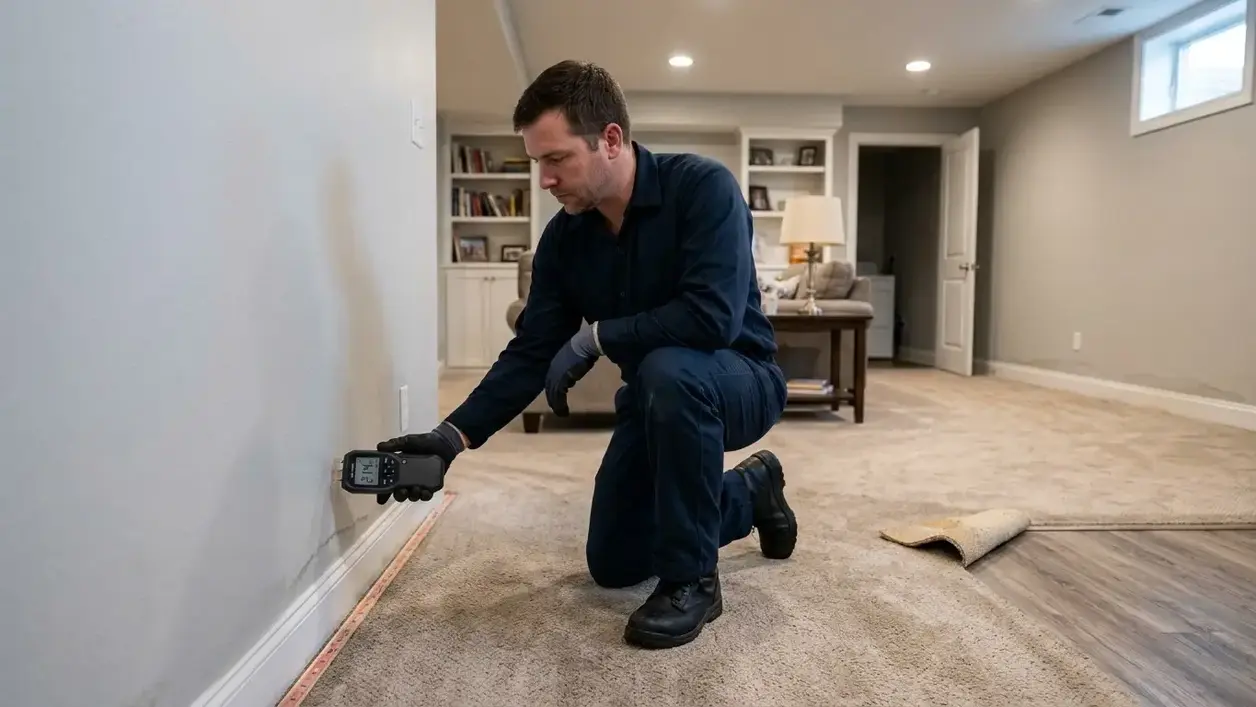
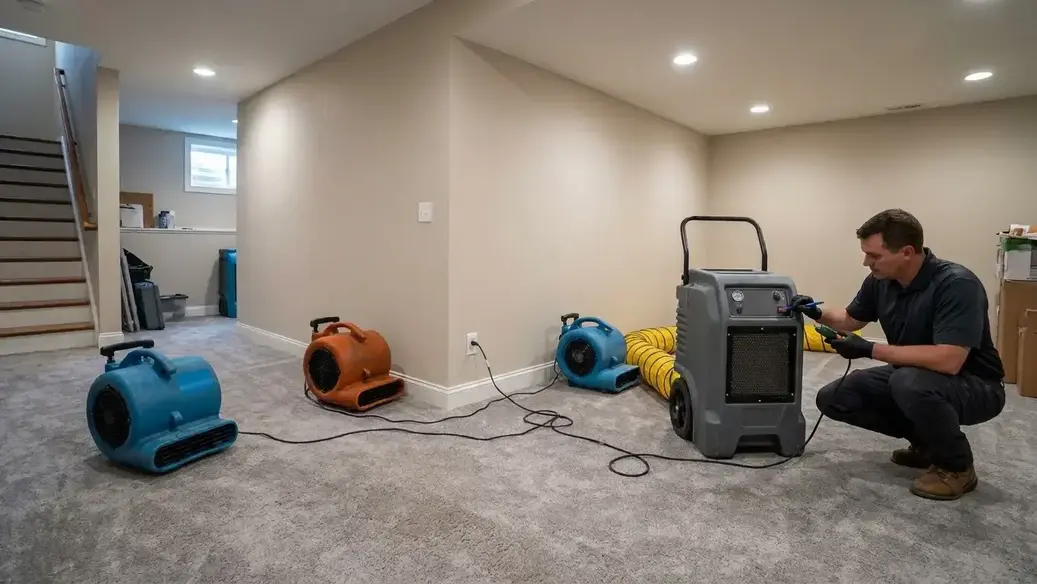
A combined mitigation project may include standing-water extraction, air movers, dehumidification, and moisture monitoring. Costs depend on affected materials, equipment requirements, labor, and how long the drying process takes.
What Affects the Cost of Water Extraction?
The volume of standing water, affected square footage, water depth, flooring materials, and accessibility all influence extraction costs. A small plumbing leak in one room is a different project from a flooded Kansas City basement with water across multiple finished areas. Water beneath furniture, inside storage spaces, or across several levels can also require additional labor.
The source and condition of the water matter as well. Water from a clean supply-line leak may require different handling than stormwater entering through a basement or water from a sewer backup. Contaminated-water cleanup, debris removal, disposal, and specialized cleaning procedures may add to the overall project cost.
Is Structural Drying Included With Water Extraction?
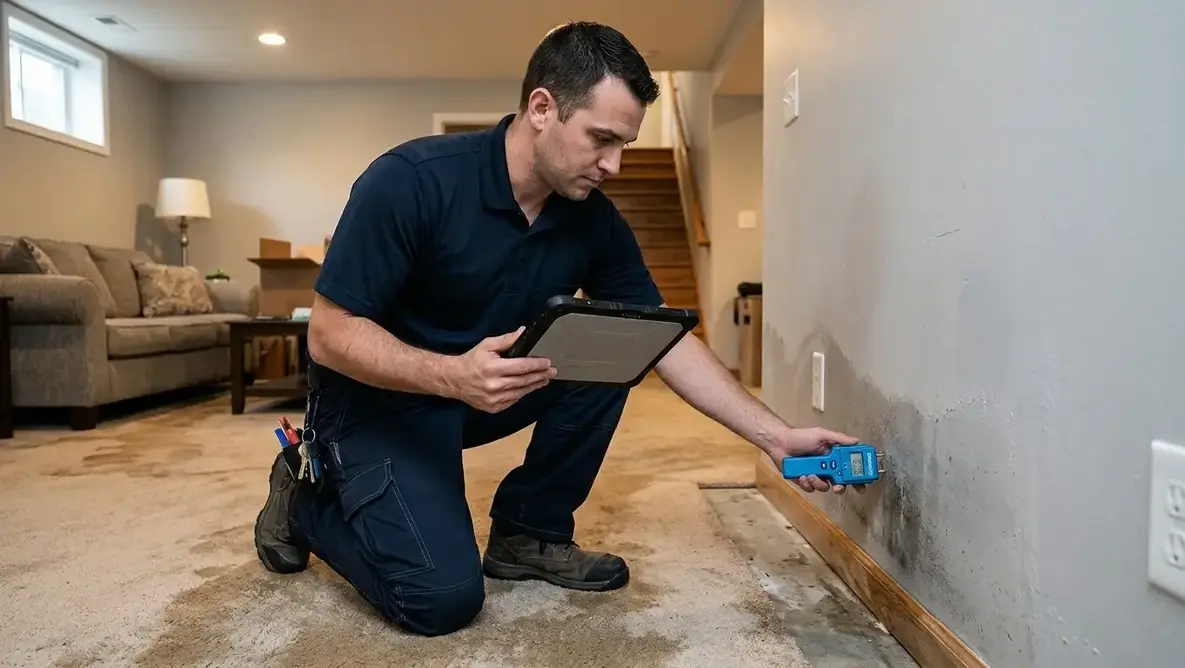
Not always. Water extraction removes accessible standing water, while structural drying addresses moisture remaining in materials such as carpet padding, subfloors, drywall, and framing. These are separate stages of water damage mitigation, even when a restoration estimate combines them into one project price.
Depending on the extent of the damage, additional work may include air movers, commercial dehumidifiers, moisture monitoring, removal of unsalvageable materials, or other restoration services. Review the estimate to determine whether it covers extraction only or includes the additional drying and cleanup work.
Pricing transparency:
These figures are broad budgeting estimates for illustrative purposes, not verified Kansas City market averages, fixed prices, or quotes from KC Water Damage Pros. Actual costs depend on water volume, affected area, water source, material conditions, accessibility, equipment requirements, and labor. Published restoration estimates may combine extraction, drying, cleaning, and other services, so they are not directly comparable to extraction-only pricing. Contaminated-water cleanup, material removal, mold remediation, and reconstruction may involve additional charges. A property-specific assessment is necessary to establish the actual scope and price.