⚠️ Kansas City Sewage Cleanup • Sewer Backup Cleanup • Contaminated Water Removal • Professional Cleaning & Disinfection

Sewage Cleanup Services in Kansas City, MO

Sewage backups and wastewater overflows can introduce harmful contaminants into floors, walls, finished basements, and other occupied areas of a property. KC Water Damage Pros helps homeowners and businesses address sewage-related damage through professional sewage cleanup, contaminated material removal, detailed surface cleaning, and appropriate disinfection procedures. Prompt attention helps limit contamination from spreading and addresses affected areas that ordinary water cleanup may not adequately resolve.

Supporting homeowners, businesses, landlords, and property managers throughout Kansas City, Overland Park, Lee's Summit, Independence, and nearby Missouri and Kansas communities. Whether a sewer line backs up into a finished basement, a toilet or drain overflows, or wastewater spreads across multiple rooms, identifying the affected areas, contamination level, and materials involved helps determine the appropriate cleanup and restoration approach.

Sewage Cleanup • Sewer Backup Cleanup • Contaminated Water Removal • Cleaning & Disinfection

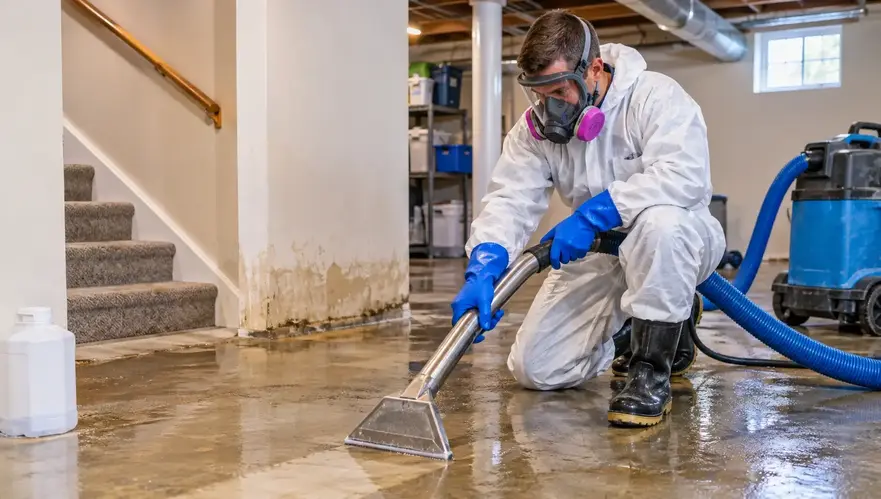
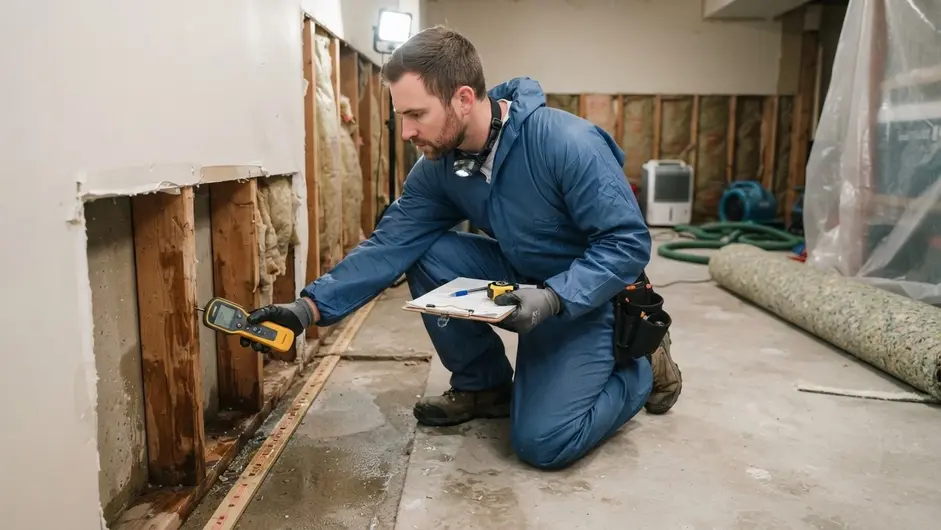
Professional sewage cleanup technician cleaning and treating a wastewater-affected area inside a Kansas City property
Professional Sewage Cleanup Sewage Backups • Wastewater Removal • Contamination Cleanup
Residential & Commercial Sewage Cleanup Homes • Basements • Apartments • Rental & Commercial Properties
Contaminated Material Assessment Carpet • Drywall • Insulation • Flooring • Affected Contents
Kansas City Sewage Cleanup Kansas City, MO • Kansas City, KS • Surrounding Communities

Understanding Sewage Backups and Contaminated Water in Kansas City Properties

Sewage backups and wastewater overflows can create serious cleanup challenges inside homes and commercial properties. Unlike a clean-water plumbing leak, sewage may contain bacteria, viruses, organic waste, and other contaminants that make direct contact with affected water and materials unsafe. Common incidents include main sewer line backups, overflowing toilets, blocked drain lines, basement floor drain backups, and wastewater entering through plumbing fixtures. Depending on the source and extent of the incident, contaminated water can spread across flooring, carpets, baseboards, drywall, insulation, furniture, and personal belongings. Professional sewage cleanup focuses on assessing the affected areas, removing contaminated wastewater, determining which materials can be cleaned or must be removed, and addressing the remaining contamination.

Kansas City properties can experience sewage-related water damage in several parts of the building, particularly in below-grade spaces and finished basements. Heavy rainfall can place additional stress on drainage systems, while plumbing blockages, damaged sewer lines, and overloaded building drainage systems can contribute to wastewater backing up through lower-level fixtures and floor drains. In homes with finished basements, sewage can spread beneath carpet, into padding, along baseboards, and into wall cavities. These concealed areas can make the full extent of contamination difficult to determine from visible surface conditions alone. Older plumbing, utility rooms, laundry areas, and below-grade bathrooms may also require careful assessment when wastewater enters the property.

Not all water damage is classified the same way. Sewage and other wastewater containing significant contaminants are commonly associated with Category 3 water, often called blackwater, under the water damage classification system used in restoration. The source of the water, its condition, and whether it has contacted other contaminated materials all matter when evaluating the appropriate response. An overflowing toilet containing only clean supply water is different from a toilet or floor drain backing up with sewage. Property owners should avoid walking through contaminated water, touching affected belongings, or attempting to clean sewage-soaked porous materials without appropriate precautions. Keep children and pets away from affected areas until the contamination has been professionally assessed.

One of the most important parts of sewage damage assessment is determining which building materials have been exposed. Carpet and carpet padding can retain contaminated wastewater, while drywall, insulation, upholstered furniture, and other porous materials may be unsuitable for restoration after direct sewage contact. Wood flooring, subfloors, trim, and other structural components may need additional evaluation depending on exposure, material condition, and how long the wastewater remained present. Removing visible standing water alone does not establish that the property is clean or that concealed materials are free of contamination. The cleanup scope should account for affected rooms, adjoining spaces, contents, and materials beneath or behind finished surfaces.

Professional sewage cleanup may involve contaminated wastewater extraction, removal and disposal of affected materials, cleaning of salvageable surfaces, appropriate disinfection, and drying of materials that remain after contamination has been addressed. The exact process depends on the wastewater source, the affected materials, the size of the loss, and the condition of the property. Cleaning and disinfection are not interchangeable: removing visible soil and organic matter is an important step before an appropriate disinfectant can be effective. Applying deodorizer or fragrance to a sewage-affected room does not replace contamination removal and cleaning. Plumbing blockages, sewer line damage, and septic system failures may also require separate evaluation and repair by a qualified plumbing or septic contractor.

Sewage incidents can affect more than single-family homes. Apartment buildings, rental properties, multifamily residences, restaurants, offices, retail spaces, and other commercial interiors may experience backups that affect multiple rooms or units. Shared plumbing systems, common areas, lower-level utility spaces, and neighboring suites can complicate the assessment. Property owners, landlords, facility managers, and building operators should consider the possibility of wastewater spreading beyond the original fixture or drain and document the affected areas before restoration work proceeds.

Sewage cleanup is often connected to several stages of the broader water damage restoration process. After contaminated water and unsalvageable materials have been addressed, remaining moisture may require professional structural drying to help dry affected building materials. Properties with sewage-related water damage may also need evaluation for persistent odor removal after the contamination source has been corrected and affected materials have been cleaned or removed. Where moisture remains in building materials, appropriate mold prevention measures are also important. These services address different parts of the restoration process and should not be treated as substitutes for proper sewage contamination cleanup.

Across the Kansas City metro, sewage cleanup needs can vary between older homes in Kansas City, Independence, and surrounding established neighborhoods and newer residential developments in Lee's Summit, Blue Springs, Overland Park, Olathe, and other growing communities. Finished basements, below-grade bathrooms, laundry rooms, floor drains, and utility areas can all become affected when wastewater backs up into a property. Whether the incident involves a localized fixture overflow or a larger basement sewer backup, identifying the source and extent of contamination is essential to determining the appropriate cleanup and restoration scope.

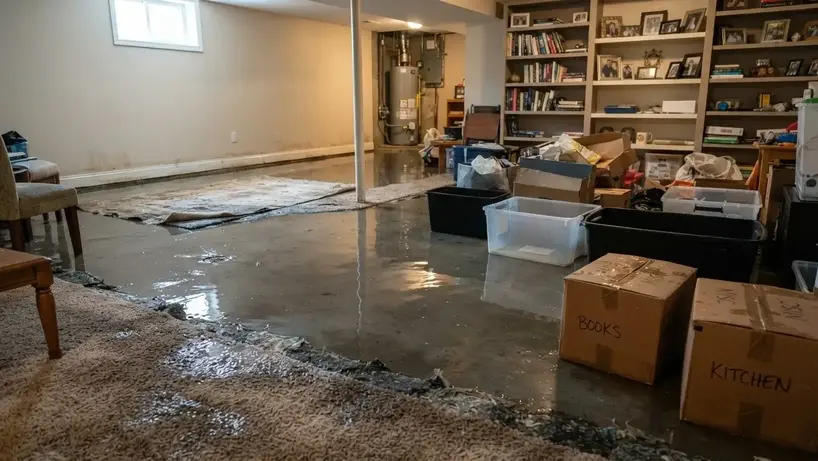
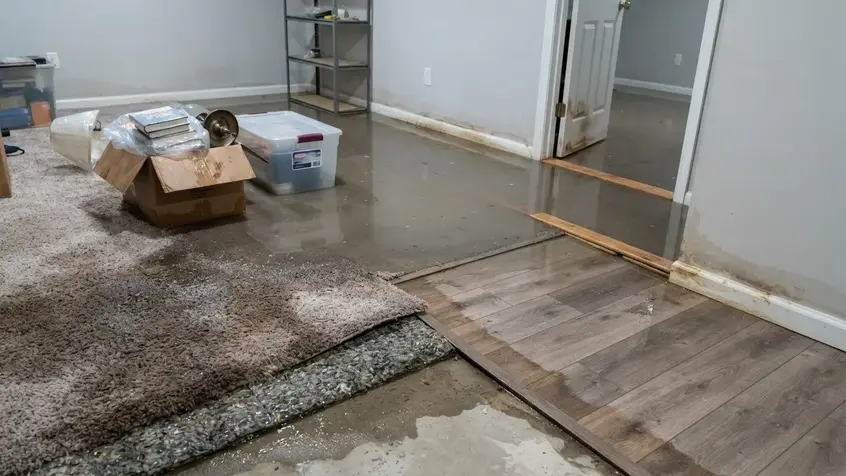
Sewage backup affecting flooring and belongings in a finished Kansas City residential basement

Basement sewage backups can affect finished flooring, stored belongings, lower wall materials, and adjoining living spaces.

What to Do Immediately After a Sewage Backup in Your Home

A sewage backup requires a different response from an ordinary plumbing leak or basement water intrusion. Wastewater entering through a floor drain, toilet, shower, or other plumbing fixture can spread contamination across finished flooring, carpet, baseboards, lower drywall, and stored belongings. The first decisions after a sewer backup can affect personal safety, the extent of contamination, and how much material may require removal. Whether the incident occurs in a finished Kansas City basement, laundry room, utility area, or commercial property, avoid disturbing affected materials until the source and contaminated spaces have been evaluated.

Stop Using Affected Plumbing Fixtures

If sewage is backing up through a basement floor drain, toilet, shower, or bathtub, stop using plumbing fixtures that may discharge into the affected drainage system. Avoid flushing toilets, running sinks, taking showers, or operating washing machines and dishwashers until the cause of the backup has been investigated. Additional water entering a restricted drain or sewer line can contribute to further wastewater overflow.

Pay attention to warning signs such as multiple slow drains, bubbling toilets, gurgling sounds, or wastewater appearing at more than one fixture. When several plumbing fixtures are affected at the same time, the problem may involve a shared branch drain, building drain, or main sewer lateral rather than an isolated fixture blockage. Avoid repeatedly testing drains to see whether they have cleared.

Avoid Electrical and Equipment Hazards

Sewage backups frequently affect below-grade areas where electrical outlets, extension cords, appliances, furnaces, water heaters, and other mechanical equipment may be located near the floor. Do not walk through standing wastewater to reach a breaker panel, unplug equipment, operate a sump pump, or move electrical devices. Water around energized electrical components can create a serious shock hazard.

If a basement, crawl space, or utility room has flooded, electrical safety should be evaluated before anyone enters the affected area or restoration equipment is operated. Do not assume that switching off an appliance makes a flooded room safe. A qualified electrical professional should determine whether affected circuits, outlets, appliances, and equipment can be safely used again.

Restrict Access to Contaminated Rooms

Keep children, pets, tenants, employees, and other occupants away from rooms where sewage has entered. Avoid direct contact with contaminated flooring, wastewater-soaked belongings, and surfaces that may have been exposed to sewage. Walking through an affected basement can transfer contamination to stairways, hallways, adjoining rooms, and otherwise unaffected areas of the property.

In Kansas City homes with finished basements, contamination may extend beyond the visible backup around a floor drain. Carpeted recreation rooms, finished bedrooms, laundry areas, storage rooms, and utility spaces can all be affected if wastewater spreads across connected flooring. Do not carry contaminated boxes, furniture, or other belongings through clean living areas without appropriate handling and containment procedures.

Document the Visible Damage

When it is safe to do so without entering contaminated areas, photograph visible wastewater, affected flooring, damaged belongings, and the plumbing fixture where the backup occurred. Record when the incident was discovered, how long wastewater may have been present, and which rooms or levels of the property were affected. Avoid moving materials or disturbing the scene simply to obtain additional photographs.

Note whether the backup followed heavy rainfall, occurred while using a particular fixture, or appeared at multiple drains. These details may help a plumber investigate the drainage problem and help a cleanup professional understand the likely contamination pathway. Photographs, repair records, and an inventory of damaged belongings may also be useful when discussing the incident with an insurance company.

Avoid Unprotected Sewage Cleanup Attempts

Household mops, ordinary wet vacuums, carpet cleaners, and standard cleaning products are not substitutes for appropriate sewage cleanup procedures. Attempting to remove wastewater without suitable protective equipment, containment, and cleaning methods can increase exposure and spread contamination to additional surfaces. Avoid handling sewage-soaked carpet, carpet padding, insulation, upholstered furniture, and other porous materials.

Do not assume that spraying disinfectant, applying deodorizer, or running household fans will make a contaminated basement safe. Visible debris and organic matter must be addressed before appropriate disinfection can be effective. Never mix bleach, ammonia, drain cleaners, or other household chemicals, as some combinations can produce dangerous fumes. Follow product label instructions and leave contaminated areas undisturbed until appropriate cleanup can begin.

Arrange Plumbing and Sewage Cleanup Assessments

A licensed plumbing professional may need to investigate the cause of the sewer backup, locate a blockage, inspect the building drain or sewer lateral, and determine what repair or clearing work is necessary. A sewage cleanup professional evaluates the resulting interior damage, including affected floors, wall materials, contents, and areas where wastewater may have traveled beyond the visible overflow.

These are related but separate responsibilities. Clearing a blocked sewer line does not remove contamination from carpet, flooring, drywall, or personal belongings. Likewise, cleaning the affected basement does not repair a damaged sewer lateral or prevent another backup. Coordinating plumbing repairs with professional sewage cleanup helps address both the source of the incident and the resulting property damage.

What to Do When a Basement Floor Drain Backs Up During Heavy Rain

Heavy rainfall can coincide with sewer backups in parts of the Kansas City metropolitan area. Depending on the location, a property may connect to a combined or separate sewer system. In combined sewer areas, stormwater and sanitary sewage share portions of the sewer system, so substantial rainfall can increase the amount of water moving through the network. Even in separate sewer areas, intense rainfall can contribute to drainage problems, groundwater intrusion, and basement water entry.

If wastewater begins coming through a basement floor drain during a storm, stop using affected plumbing fixtures and keep occupants away from the overflow. Do not assume the water is ordinary rainwater simply because the incident occurred during heavy rainfall. The entry point, drainage conditions, and nature of the water should be evaluated before selecting cleanup procedures.

Homeowners in Kansas City, Independence, North Kansas City, and surrounding communities may encounter different property drainage arrangements depending on the age, location, and construction of the building. Older properties can have plumbing and drainage configurations that differ from newer developments. The property's actual sewer connection and the source of the backup should be investigated rather than assuming every storm-related basement overflow has the same cause.

Why Multiple Backed-Up Drains Can Indicate a Main Sewer Problem

A sewage backup affecting several plumbing fixtures can indicate a restriction in a shared drainage line or the building's connection to the public sewer system. For example, a homeowner may notice a basement floor drain overflowing while a first-floor toilet bubbles or a bathtub begins draining slowly. When these symptoms occur together, the problem may extend beyond an individual toilet or fixture.

A plumber may need to inspect the building drain and sewer lateral to identify the location and cause of the restriction. Possible issues include accumulated debris, grease buildup, tree-root intrusion, damaged piping, pipe displacement, or other obstructions. The actual cause cannot be determined from the appearance of the wastewater alone.

Avoid continuing to use plumbing fixtures while multiple drains are showing signs of a backup. Additional water entering the system may cause wastewater to overflow through lower fixtures or floor drains. Once the plumbing problem has been addressed, the affected interior still needs to be evaluated for sewage contamination and moisture damage.

Why You Should Not Simply Pump Out the Sewage and Resume Using the Room

Removing visible wastewater is only one part of sewage damage cleanup. Wastewater can leave organic matter and contaminants on concrete, tile, flooring, baseboards, subfloors, and other surfaces. It may also penetrate carpet padding, reach the underside of finished flooring, and affect lower sections of drywall, insulation, and concealed building cavities. A basement that appears dry after water removal may still contain contaminated materials.

Porous materials require particular attention because they can absorb wastewater beyond the surface that is immediately visible. Carpet and padding, upholstered furniture, insulation, and certain composite building materials may not be suitable for restoration after direct sewage exposure. Whether a material can be appropriately cleaned or requires removal depends on its composition, exposure, condition, and applicable cleanup requirements.

A professional assessment should establish where wastewater traveled, which materials were directly exposed, and whether contamination reached adjoining rooms or concealed areas. Depending on the conditions, the work may involve wastewater extraction, contaminated material removal, surface cleaning, disinfection, and structural drying. Learn more about structural drying in Kansas City when affected building materials also require moisture evaluation and drying.

What Information Helps Determine the Sewage Cleanup Requirements?

The scope of sewage cleanup depends on more than the visible size of the overflow. The source, duration of exposure, route wastewater traveled, and types of materials affected all influence the assessment. When requesting professional sewage cleanup in the Kansas City area, the following details can help establish the conditions:

  • Property location and building type: Whether the affected property is a single-family home, rental property, multifamily building, commercial space, or other structure, and whether the incident involves a basement, crawl space, or occupied room.
  • Incident timing and duration: When the backup began, when it was discovered, and whether wastewater remained in contact with building materials for an extended period.
  • Suspected source and entry point: Whether sewage appeared through a floor drain, toilet, shower, bathtub, or another plumbing fixture, and whether multiple drains were affected.
  • Extent of affected space: Approximate floor area, number of rooms, visible wastewater spread, and whether contamination reached adjoining rooms, stairways, or lower-level storage areas.
  • Exposed building materials and contents: Whether carpet, padding, drywall, baseboards, insulation, flooring, furniture, stored belongings, or other porous materials contacted wastewater.
  • Weather and drainage conditions: Whether the backup followed heavy rainfall, whether a sump pump or drainage system was operating, and whether the property has experienced previous basement sewer backups.

Coordinating Sewer Repairs and Interior Property Cleanup

A complete response addresses both the plumbing condition and the contamination left inside the building. Depending on the incident, a plumber may need to clear a blockage, inspect the sewer lateral, or repair damaged piping before normal plumbing use can resume. The cleanup process separately addresses wastewater that entered the property and materials that were exposed.

Once the source has been controlled and the area can be safely accessed, the restoration assessment can identify which surfaces need cleaning, which porous materials require removal, and whether moisture has reached concealed areas. Structural drying may be appropriate after contaminated materials have been addressed and the remaining surfaces are suitable for drying. This distinction is important because drying alone does not remove sewage contamination.

For Kansas City homeowners, property managers, and commercial building operators, coordinating these responsibilities can help prevent incomplete cleanup. A cleared drain does not mean a basement is ready for normal use, and a cleaned interior does not eliminate the need to correct the original sewer or plumbing problem.

Safety notice: Avoid direct contact with sewage and do not enter standing water when electrical hazards may be present. Keep children, pets, tenants, and other occupants away from affected areas. Do not attempt to pump, vacuum, or clean contaminated wastewater without appropriate equipment and procedures. If sewage is actively entering the property or the source and safety conditions are uncertain, keep clear and arrange appropriate plumbing and professional cleanup assessments.

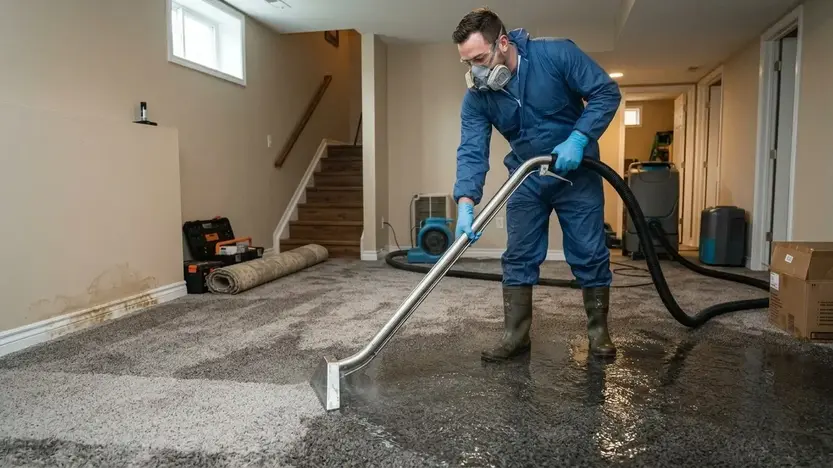
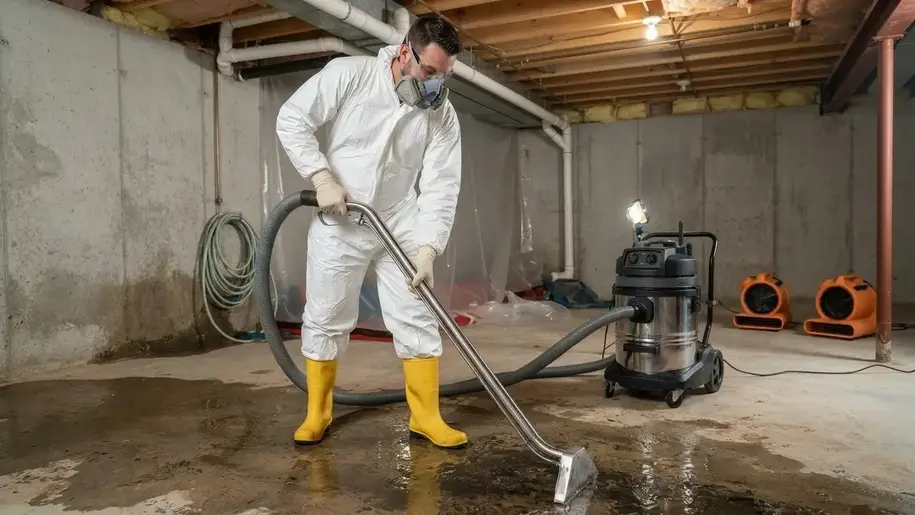
Professional restoration technician extracting contaminated wastewater from a residential basement floor

Professional sewage cleanup begins with controlled wastewater extraction and appropriate handling of contaminated materials.

How Sewage Contamination Affects Building Materials and Belongings

Sewage backup damage involves more than removing visible wastewater from a basement floor. When contaminated water contacts building materials, flooring, furnishings, or stored belongings, the cleanup decision depends on the material's composition, how long it was exposed, how deeply the wastewater penetrated, and whether the affected item can be properly cleaned and evaluated. Materials that appear dry or show little visible staining may still have been exposed to contamination. A professional sewage cleanup assessment should identify the affected materials and determine which items may be candidates for cleaning and which require removal.

Sewage can contain microorganisms and other contaminants that create health concerns through direct contact, contaminated surfaces, and improper handling. This is why a sewage backup should not be approached like a small clean-water plumbing leak. The response needs to account for the type of wastewater, the areas it contacted, and the condition of the materials throughout the affected space.

Which Materials May Be Affected by a Sewage Backup?

Carpet and Carpet Padding

Carpet exposed to sewage can retain contamination within its fibers, backing, and underlying padding. Wastewater may also reach the floor beneath the carpet, including wood subflooring or concrete. Removing visible moisture from the carpet surface does not establish that the entire assembly has been adequately addressed.

Carpet padding exposed to sewage is generally difficult to clean reliably and may require removal. The carpet itself must be evaluated based on the extent of exposure, material condition, and applicable remediation guidance. Affected flooring should not be reused simply because it looks clean after surface treatment.

Hardwood, Laminate, and Other Flooring

Sewage exposure can affect flooring differently depending on its construction. Hardwood may absorb moisture through seams and edges, while laminate flooring can allow contaminated water to reach its core and underlayment. Floating floors may also conceal wastewater beneath the finished surface.

Tile and other nonporous finished surfaces may be candidates for cleaning when the material remains intact and accessible. However, grout lines, cracks, joints, underlayment, and concealed spaces still need evaluation. The visible floor covering alone does not reveal the full extent of contamination.

Drywall, Baseboards, and Insulation

When sewage contacts finished basement walls, it may wick into drywall, baseboards, insulation, and other porous materials. The visible waterline does not necessarily show how far moisture or contamination has traveled within the wall assembly.

Depending on the exposure and construction, affected drywall and insulation may require removal to access concealed surfaces. Baseboards and lower wall materials should also be evaluated rather than assuming that wiping the exposed surface is sufficient.

Furniture and Upholstered Belongings

Upholstered furniture, mattresses, fabric-covered items, and other absorbent furnishings can retain contaminated moisture within internal layers. The extent of exposure may not be visible from the outside, particularly when wastewater reaches cushions, seams, padding, or concealed framing.

These belongings should be evaluated individually. Some hard-surface furniture may be cleanable if its construction and condition permit effective treatment, while heavily exposed porous items may not be suitable for restoration.

Stored Contents and Personal Property

Boxes, clothing, paper products, books, stored household goods, and items kept directly on basement floors can be affected when sewage spreads through a storage area. Cardboard containers and absorbent contents can take in contaminated water even when the surrounding floor appears to have only a shallow layer.

Contents should be separated according to material type, exposure, and whether they can be safely evaluated and cleaned. Avoid sorting or handling contaminated belongings without appropriate protection and a safe work plan.

Concrete, Framing, and Structural Surfaces

Concrete and other hard structural surfaces are not automatically unaffected by sewage simply because they are not porous in the same way as carpet or drywall. Surface texture, cracks, joints, penetrations, and contact with adjacent materials can create areas that require detailed cleaning.

Exposed framing, subfloor assemblies, and concealed surfaces may also need inspection when contaminated materials are removed. The cleanup plan should address accessible affected surfaces before drying and reconstruction begin.

Why the Type of Sewage Exposure Changes the Cleanup Decision

Not every sewage backup affects a property in the same way. The source of the wastewater, the route it traveled, the amount released, and the length of contact all influence the cleanup scope. A small overflow confined to a hard, accessible surface may require a different response from a prolonged basement backup that saturates carpet, wall materials, stored contents, and concealed spaces.

Wastewater from toilets, floor drains, and other plumbing fixtures should be treated as potentially contaminated. Property owners should not attempt to determine whether sewage is safe based on its color, clarity, or odor. The absence of a strong smell or visible debris does not establish that a surface or material is free from contamination.

Cleaning Versus Removing Sewage-Exposed Materials

The decision to clean or remove a material should be based on whether it can be adequately accessed, cleaned, and evaluated after exposure. Nonporous, intact surfaces may be candidates for cleaning and disinfection using appropriate products and procedures. Porous or absorbent materials that have taken in sewage may be difficult or impractical to restore and may require removal.

A professional assessment should also consider materials hidden beneath finished surfaces. For example, tile may remain intact while contaminated water reaches an underlayment or adjacent wall material. Similarly, a carpet surface may appear relatively clean even though the padding and subfloor beneath it were exposed.

Removal decisions should not be based on a universal waterline measurement or a one-size-fits-all rule. The extent of removal depends on the contamination, material assembly, accessibility, and applicable remediation practices. When materials are removed, the newly exposed areas should be evaluated before cleaning and drying continue.

Why Surface Cleaning Alone May Not Resolve Sewage Contamination

Wiping up visible wastewater or applying a household disinfectant does not necessarily address contamination within carpet backing, padding, drywall, insulation, flooring joints, or concealed cavities. Cleaning must reach the affected surfaces, and materials that cannot be adequately cleaned may need to be removed.

Disinfection is not a substitute for removing contaminated debris and soil. Appropriate cleaning must take place before a disinfectant is used, and products must be selected and applied according to their label directions and the surface being treated. Drying should follow the necessary contamination removal and cleaning steps rather than being treated as a replacement for them.

Important: Do not handle sewage-exposed carpet, belongings, drywall, or other materials without appropriate protection. Keep children and pets away from affected areas. Material restoration decisions should be made after evaluating the type of contamination, the construction, and the extent of exposure.

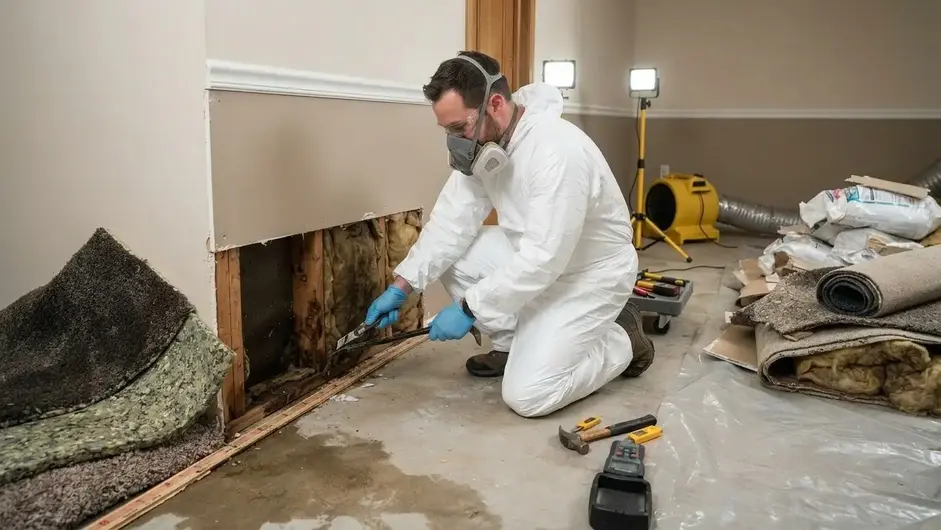
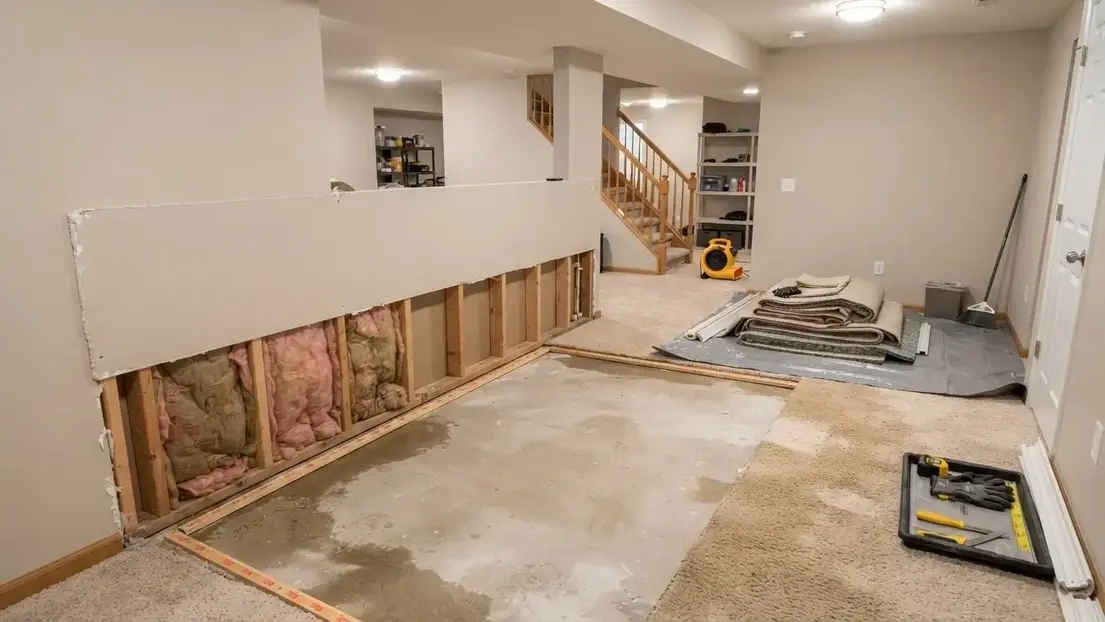
Sewage cleanup technician removing contaminated carpet padding and lower drywall in a residential basement

Sewage exposed carpet padding, drywall, insulation, and other unsuitable materials may require controlled removal during restoration.

Get Help With Sewage Contaminated Materials in Kansas City

Sewage backups can contaminate carpet padding, flooring, drywall, insulation, furniture, and other porous building materials. KC Water Damage Pros provides sewage cleanup assistance to help identify affected materials, evaluate cleaning versus removal needs, and address contaminated surfaces in affected Kansas City properties. Contact our team to discuss your sewage cleanup needs.

Call (816) 370-6439

Sewage Backup Cleanup for Finished Basements in Kansas City

A sewage backup in a finished basement can affect much more than the visible flooring. Wastewater from a basement floor drain, toilet, shower, or utility sink can spread into carpet padding, flooring assemblies, finished walls, built-in storage, and concealed spaces beneath or behind finished surfaces. Because finished basements contain multiple layers of building materials, the visible waterline may not show the full extent of contamination. A thorough assessment must consider how the basement was constructed and which materials wastewater may have contacted.

This is especially important in Kansas City homes where basements may include finished family rooms, bedrooms, home offices, recreation areas, laundry rooms, and below-grade bathrooms. A backup that begins in one utility area can affect adjoining spaces as wastewater moves across connected flooring, through doorways, or beneath interior partitions.

Where Sewage Can Spread in a Finished Basement

Finished Carpeted Rooms

Carpet can absorb wastewater and hold contamination in its fibers, backing, and padding. Sewage may spread beyond the original floor drain or toilet overflow as it moves across the room. Furniture, rugs, stored items, and floor-level electrical equipment may also be exposed.

The assessment should account for the entire carpet assembly and the surface beneath it. Removing visible moisture from carpet does not establish that the padding or underlying flooring has been adequately addressed.

Finished Walls and Wall Cavities

Wastewater can contact drywall, baseboards, trim, insulation, and lower wall framing. Porous wall materials may absorb contaminated moisture, while wastewater can travel along wall edges or enter concealed spaces through openings, joints, and gaps.

Removal of affected wall materials may be necessary to access and evaluate concealed surfaces. The required extent depends on the actual exposure and wall construction rather than a fixed removal height for every basement.

Laminate and Floating Floor Assemblies

Laminate, engineered flooring, and floating floor systems may allow wastewater to move through seams and reach underlayment or the subfloor. Water trapped beneath a finished floor can remain concealed after the visible surface has been wiped dry.

The flooring assembly may need to be opened or removed to evaluate underlying materials. The condition of the flooring, joints, underlayment, and subfloor helps determine the appropriate cleanup scope.

Basement Bathrooms and Laundry Rooms

Basement bathrooms and laundry areas contain several potential wastewater release points, including toilets, showers, floor drains, utility sinks, and washing machine connections. A backup can affect nearby cabinets, stored supplies, appliances, and adjoining rooms.

Cleanup planning should identify the original overflow point and evaluate nearby surfaces and materials that wastewater may have contacted as it spread.

Built-In Cabinets and Storage Areas

Built-in cabinets, shelving, closets, and storage rooms can conceal areas where wastewater has collected. Items stored directly on basement floors may absorb contaminated moisture, while cabinet toe kicks and enclosed bases can limit access to affected surfaces.

Contents and built-in components should be evaluated separately. Moving belongings without a safe handling plan can spread contamination into unaffected rooms or onto other items.

Adjacent Rooms and Concealed Transitions

Wastewater can move through doorways, along flooring transitions, beneath trim, and around room partitions. A finished room that appears separate from the original overflow may still have affected flooring edges or connected building materials.

The assessment should follow the potential path of wastewater rather than stopping at the room where the backup first appeared. This helps identify affected areas before reconstruction begins.

Why Finished Basement Construction Makes Sewage Cleanup More Involved

A finished basement often contains several layers between the visible room surface and the concrete foundation or structural framing. These can include carpet and padding, laminate or other flooring, underlayment, subfloor panels, drywall, insulation, framing, trim, and built-in cabinetry. When sewage enters the space, wastewater may reach multiple layers of this assembly.

The cleanup scope depends on how the basement was built and where wastewater traveled. A concrete floor with an accessible surface presents different restoration considerations from a carpeted basement with a raised subfloor and finished walls. Neither the visible waterline nor the room's appearance alone establishes which materials can be retained.

How Professionals Evaluate Hidden Sewage Damage

An assessment should identify the original overflow location, the direction wastewater traveled, the rooms and materials contacted, and any concealed areas that may require access. Depending on the construction and exposure, this can involve examining flooring transitions, baseboards, wall edges, cabinet bases, and accessible spaces beneath or behind finished surfaces.

Moisture measurements can help evaluate wet building materials and guide drying decisions, but a moisture reading does not establish whether a sewage-exposed material is free from contamination. Material decisions must account for both moisture conditions and the history of sewage contact.

When contaminated porous materials are removed, exposed surfaces and cavities should be evaluated before cleaning and drying continue. This helps identify affected areas that may otherwise remain concealed behind finished materials.

Protecting Unaffected Areas During Basement Sewage Cleanup

Finished basements often connect directly to stairways, utility rooms, garages, and occupied areas of the home. Work planning should consider how workers, equipment, removed materials, and waste will move through the property without unnecessarily spreading contamination.

Depending on the extent of the incident, appropriate work-area controls may include restricting access, establishing designated entry and exit paths, using suitable protective equipment, containing debris, and cleaning equipment and work surfaces before they leave the affected area. Controls should reflect the contamination and the layout of the property.

Homeowners should keep children, pets, and other occupants away from sewage-affected rooms. Do not move contaminated belongings through clean areas or attempt to remove affected carpet, drywall, or insulation without appropriate precautions.

What Kansas City Homeowners Should Have Evaluated After a Basement Backup

Before finished basement repairs begin, make sure the cleanup assessment considers the full affected area, not just the point where wastewater emerged. This is particularly important when a backup has reached multiple rooms or involved a finished bathroom, laundry area, storage room, or basement living space.

  • Extent of Wastewater Spread
    Identify the rooms, floor areas, and transitions wastewater may have reached, including areas beyond the original plumbing fixture.
  • Flooring and Wall Assemblies
    Evaluate carpet, padding, underlayment, subflooring, drywall, insulation, baseboards, and other materials according to their exposure.
  • Contents and Furnishings
    Identify affected furniture, stored belongings, appliances, and personal property that may need separate evaluation or handling.
  • Concealed Areas and Restoration Readiness
    Confirm that affected materials have been addressed and exposed surfaces evaluated before new flooring, drywall, trim, or other finishes are installed.

Once the source of the backup has been addressed and affected materials have been evaluated, the property can move toward appropriate cleaning, drying, and reconstruction.

Important: Finished basement materials can conceal sewage exposure beneath flooring and behind walls. Do not assume an area is unaffected simply because wastewater did not visibly reach it. Keep people and pets away from contaminated rooms until affected materials and surfaces have been properly evaluated.

Sewage backup affecting carpet, flooring, and lower wall materials in a finished Kansas City basement

Sewage can affect multiple finished basement surfaces, including carpet, flooring, lower walls, and adjoining rooms.

Why Heavy Kansas City Rain Can Lead to Basement Sewage Backups

Heavy rainfall can contribute to basement sewage backups when stormwater enters wastewater infrastructure, drainage systems become overloaded, or an existing sewer restriction prevents wastewater from leaving a property normally. Kansas City properties can experience different wet-weather drainage conditions depending on their location, sewer connections, plumbing configuration, and the condition of underground piping. When wastewater emerges through a basement floor drain, toilet, or other plumbing fixture during or after a storm, the source should be investigated and the affected interior evaluated for sewage contamination.

Kansas City, Missouri has both combined and separate sewer systems. In portions of the older city, combined sewer systems carry sanitary wastewater and stormwater through shared pipes. During significant rainfall, the additional stormwater can increase the volume moving through this infrastructure and contribute to capacity-related problems. Other areas use separate systems, and properties throughout the wider metropolitan region may be served by different municipal wastewater utilities. The sewer configuration serving an individual property matters when evaluating a wet-weather backup. KC Water's Smart Sewer program provides information about Kansas City's local sewer infrastructure and wet-weather challenges.

How Heavy Rainfall Can Contribute to Basement Sewage Backups

Increased Flow in Combined Sewer Systems

In portions of Kansas City, Missouri, combined sewer infrastructure carries both sanitary wastewater and stormwater through the same underground pipes. During heavy rainfall, runoff entering the system can substantially increase the amount of water moving through the network. When flow exceeds available capacity, wet-weather sewer conditions can contribute to basement backups and other drainage problems.

Properties connected to these systems may experience wastewater backing up through lower-level plumbing fixtures or floor drains during significant storms. However, not every rain-related backup is caused by combined sewer capacity. Local restrictions, private sewer lateral conditions, and other drainage problems may also contribute and should be investigated separately.

Private Sewer Lateral Restrictions and Damage

A private sewer lateral carries wastewater from a property toward the public sewer connection. Root intrusion, deteriorated pipe sections, displaced joints, grease buildup, accumulated debris, and other obstructions can restrict wastewater flow. When heavy rainfall increases demand on the surrounding drainage system, an already restricted lateral may be less able to carry wastewater away from the building.

Recurring basement backups, slow drains throughout the home, gurgling toilets, and wastewater appearing at multiple fixtures can indicate a drainage problem that needs plumbing investigation. A plumber may recommend a sewer camera inspection or other diagnostic work to identify the condition of the line. Responsibility for repairs depends on the location of the problem and the applicable utility's service-line policies.

Basement Floor Drain and Lower-Level Fixture Backups

Basement floor drains are common locations where property owners first notice a sewer backup. When wastewater cannot move through the drainage system normally, it may emerge through a floor drain, basement toilet, shower, bathtub, or utility sink. Because these fixtures are often located below upper-level plumbing, they can become visible overflow points during a drainage problem.

A backup may affect more than the immediate area around the drain. Wastewater can spread across basement flooring, enter carpet and padding, contact stored belongings, and reach the bottom edges of drywall and baseboards. Finished basements, laundry rooms, utility spaces, and lower-level storage areas should be evaluated for the full extent of contamination rather than judging the damage by the visible overflow alone.

Improper Stormwater Connections

Certain property drainage connections can introduce stormwater into sanitary sewer infrastructure that is not intended to receive those additional flows. Examples can include improperly connected roof downspouts, sump pump discharge lines, and other drainage arrangements. During heavy rainfall, these connections can contribute additional water to wastewater systems and increase wet-weather flow.

Property owners should have suspected plumbing or drainage connections evaluated by qualified professionals rather than disconnecting or modifying piping without understanding where it leads and where the water is permitted to discharge.

Tree Roots and Aging Underground Sewer Lines

Underground sewer piping can deteriorate over time. Older pipe materials, separated joints, cracks, displaced sections, and tree-root intrusion can create restrictions that interfere with normal wastewater flow. Roots can enter through existing openings in underground piping and gradually contribute to recurring blockages.

Heavy rainfall does not necessarily cause these defects, but increased flow through an already restricted line can make an existing problem more noticeable. Properties with repeated backups, recurring drain clogs, or unexplained wastewater overflows may need a sewer line inspection to identify whether the issue involves the private lateral, building drain, or another part of the drainage system.

Groundwater and Exterior Drainage Problems

Heavy rainfall can also raise groundwater levels and increase surface runoff around a building. Water may enter through foundation cracks, wall-floor joints, basement window wells, exterior doors, and other below-grade openings. Poor exterior drainage, saturated soil, and foundation seepage can cause basement flooding even when the sanitary sewer is functioning normally.

These conditions require a different investigation from wastewater emerging through plumbing fixtures. Groundwater and stormwater intrusion may affect foundation surfaces, flooring, and stored materials, while a sanitary sewer backup introduces wastewater contamination concerns. When the entry point or source is uncertain, the water should not be assumed safe based on its appearance.

How to Recognize a Possible Rain-Related Sewer Backup

A wet basement following a Kansas City storm does not automatically mean the sanitary sewer has backed up. The location where water first appeared, the condition of nearby plumbing fixtures, and the timing of the incident can help identify which type of drainage problem needs investigation.

Warning signs of a possible sewage backup include wastewater emerging from a basement floor drain, a toilet bubbling or overflowing without normal use, multiple fixtures draining slowly, and sewage appearing in a basement shower or utility sink. Gurgling sounds from plumbing fixtures and repeated backups after rainfall may also indicate a restriction or other drainage problem.

By comparison, groundwater intrusion may appear as dampness along foundation walls, water entering at wall-floor joints, or seepage through basement window wells. Surface runoff may enter through exterior doors or other low openings. These symptoms can overlap, and more than one water source may affect a property during the same storm.

Why Kansas City Properties Can Have Different Sewer Backup Risks

Sewer infrastructure and property drainage arrangements are not uniform throughout the Kansas City metropolitan area. Older sections of Kansas City, Missouri include combined sewer infrastructure, while other portions of the city use separate stormwater and sanitary sewer systems. Communities such as Independence, Lee's Summit, North Kansas City, Overland Park, Olathe, and other surrounding municipalities may have different wastewater service areas, infrastructure, and reporting procedures.

A property's age, basement configuration, sewer connection, private lateral condition, and exterior drainage can all influence how it responds to heavy rainfall. Older homes may have aging underground piping or drainage arrangements that differ from newer construction. A property-specific assessment is more useful than assuming that every neighborhood experiences the same sewer conditions or that every storm-related basement flood has the same cause.

Local Sewer Backup Prevention and Reporting Resources

Kansas City, Missouri property owners can consult KC Water's Smart Sewer program for information about local sewer infrastructure, wet-weather challenges, and wastewater system improvements.

Property owners served by Johnson County Wastewater can also consult Johnson County Wastewater's residential guidance for information about sewer backups, reporting wastewater problems, and understanding service-line responsibilities. The appropriate wastewater utility depends on the property's actual service area, so homeowners should verify which provider serves their address before reporting a sewer problem.

What to Do When Heavy Rain Causes a Basement Sewage Backup

If wastewater enters through a basement floor drain or another plumbing fixture during a storm, stop using affected plumbing fixtures and keep people and pets away from the contaminated area. Do not enter standing water when electrical hazards may be present, and avoid attempting to pump or remove suspected sewage with ordinary household equipment. A plumbing professional can investigate the drainage source, while a sewage cleanup assessment determines which interior surfaces, building materials, and belongings have been affected.

Correcting the sewer or drainage problem does not remove contamination already left inside the property. Wastewater may affect flooring, carpet padding, lower drywall, baseboards, stored belongings, and concealed areas beyond the original overflow. Depending on the exposure, cleanup may require wastewater removal, contaminated material removal, surface cleaning, disinfection, and appropriate structural drying after contaminated materials have been addressed.

For property owners dealing with a rain-related basement sewer backup, identifying the source and addressing the interior damage are separate but equally important parts of restoring the affected space.

Important distinction: Heavy rainfall can contribute to sewer backups, but not every wet basement is a sewage problem. Wastewater emerging from plumbing fixtures should be treated as potentially contaminated. Groundwater seepage and exterior stormwater intrusion require different evaluation and cleanup decisions. When the source is uncertain, keep people away from the affected area until it can be properly assessed.

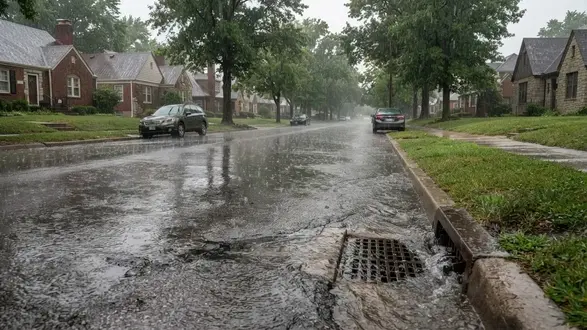
Heavy rainfall and stormwater runoff on a Kansas City residential street near storm drains

Heavy rainfall can increase pressure on drainage infrastructure and contribute to wet-weather sewer problems in some service areas.

How to Identify the Source of a Sewage Backup in Your Kansas City Property

The location where wastewater first appears can provide useful information about a possible drainage problem. Identifying the affected fixtures, timing, and pattern of the backup helps determine whether the issue may involve an individual drain, a branch drainage line, the building's main sewer line, or a larger wastewater system problem. Kansas City properties can also experience sewer-related problems during periods of heavy rainfall, particularly when municipal sewer systems and private drainage lines are under increased demand. Other contributing conditions can include grease accumulation, tree root intrusion, deteriorating underground pipes, separated sewer connections, and obstructions that prevent wastewater from flowing away from the building.

Common Warning Signs of a Main Sewer Line Backup

  • Multiple Plumbing Fixtures Backing Up
    Toilets, showers, sinks, or floor drains may begin draining slowly or backing up around the same time, potentially indicating a blockage affecting a shared branch drain or the main drainage line. Problems involving several fixtures are particularly concerning when normal household plumbing use causes wastewater to rise or overflow at another lower-level fixture.
  • Wastewater Appearing at the Lowest Drain
    A basement floor drain or lower-level plumbing fixture may become an outlet when wastewater cannot flow through the drainage system normally. Because gravity drainage systems generally carry wastewater toward lower-level building drains and sewer connections, an obstruction farther downstream can cause sewage to accumulate and emerge through the lowest accessible opening.
  • Gurgling or Unusual Drain Sounds
    Bubbling, gurgling, and changes in normal drainage can accompany a blockage or restricted wastewater line, particularly when another plumbing fixture is being used. For example, a toilet that bubbles when a washing machine drains or a bathtub that makes unusual sounds when a nearby toilet is flushed may indicate restricted drainage or an airflow problem within the plumbing system.
  • Wastewater Around Plumbing Fixtures
    Sewage appearing around a basement toilet, shower, laundry drain, or floor drain may indicate a drainage problem requiring prompt investigation. Wastewater can spread across basement flooring, beneath nearby appliances, along baseboards, and into adjoining rooms. Even a relatively small overflow can affect porous materials and concealed areas that require additional contamination assessment.
  • Backups Following Heavy Rainfall
    Recurring sewage backups after major storms may justify investigating the sewer system, private sewer lateral, and possible stormwater connections. Heavy rainfall can increase wastewater system demand in some Kansas City service areas, while groundwater infiltration through defective sewer pipes and improper drainage connections can contribute to additional flow entering sanitary sewer infrastructure. Rainfall timing alone does not establish the cause, but repeated storm-related backups deserve further investigation.

Individual Drain Clog or Main Sewer Line Backup?

A blockage affecting one sink, shower, or toilet may be limited to an individual fixture or branch drain. Common causes include accumulated hair, soap residue, grease, food waste, paper products, and other debris restricting the passage of wastewater. These localized obstructions generally affect one fixture or a limited portion of the plumbing system rather than several connected drainage points throughout the property.

When several fixtures experience drainage problems simultaneously, particularly on lower levels, the building's main drain or sewer lateral may require investigation. A main sewer line obstruction can prevent wastewater from multiple plumbing fixtures from reaching the property's sewer connection. Depending on the plumbing layout, continued water use may cause sewage to back up through basement toilets, showers, utility drains, or floor drains. A recurring blockage may also indicate tree root intrusion, grease accumulation, pipe deterioration, a collapsed section, or a damaged underground sewer connection.

These symptoms can help narrow down the possible source, but they are not a definitive diagnosis. Plumbing layouts vary between properties, including older Kansas City homes with different basement configurations, drainage arrangements, and underground sewer connections. A qualified plumber may need to inspect the drainage system, evaluate accessible cleanouts, perform a sewer camera inspection, or use other diagnostic methods to identify the actual obstruction or damaged pipe. Clearing one fixture does not necessarily resolve a blockage farther downstream.

How to Distinguish a Sewer Backup From Basement Water Seepage

Kansas City basements can experience water intrusion from several sources, particularly during periods of heavy rainfall. Water entering through foundation walls, basement windows, floor joints, or exterior openings may indicate groundwater or surface drainage problems. Poor exterior grading, clogged gutters, improperly directed downspouts, saturated soil, and foundation drainage deficiencies can all contribute to basement moisture. Wastewater emerging directly from a plumbing fixture or floor drain raises a different concern because it may indicate a plumbing or sewer system failure.

Consider where the water first appeared, whether multiple plumbing fixtures are affected, and whether the incident coincided with heavy rainfall or plumbing use. Water entering along a foundation wall or basement window may point toward exterior water intrusion, while wastewater rising through a toilet, shower, or floor drain warrants investigation of the building's sanitary drainage system. Some properties can experience both conditions during the same storm, making it important to distinguish separate sources of water intrusion. These observations can help narrow down the source, but sewage-contaminated water should never be considered safe based on its appearance, clarity, or odor.

Why Identifying the Source Matters Before Sewage Cleanup

A sewage cleanup project should not be considered complete simply because wastewater has stopped entering the building. The underlying plumbing or sewer problem must also be investigated so that additional contamination does not occur during cleanup or reconstruction. If an obstruction remains in the main drain, a sewer lateral continues to fail, or a wastewater system problem has not been addressed, the property may experience another backup after restoration work has started.

Restoration professionals assess the interior damage, including affected flooring, baseboards, drywall, insulation, contents, and other building materials. Sewage can spread beyond the visible overflow area through flooring seams, wall cavities, cabinet bases, and other concealed spaces. The extent of contamination, exposure time, material porosity, and affected building assemblies help determine which materials may be cleaned and which may require removal. Cleanup planning may also involve controlled handling of contaminated debris, cleaning and disinfection of appropriate surfaces, and evaluation of moisture conditions before reconstruction.

A qualified plumber evaluates the drainage system and determines whether a blockage, damaged sewer lateral, deteriorated pipe, or other plumbing condition needs repair. Restoration professionals address the resulting interior contamination and building damage. Separating these responsibilities helps property owners address both the source of the sewage backup and the resulting interior contamination without overlooking affected materials or concealed areas. If wastewater has entered your home or business, professional sewage cleanup can help address affected areas, contaminated materials, and the restoration needs following a backup.

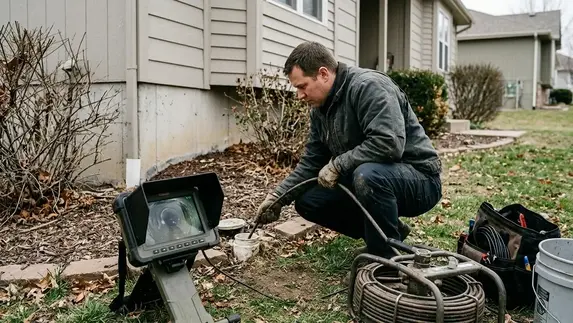
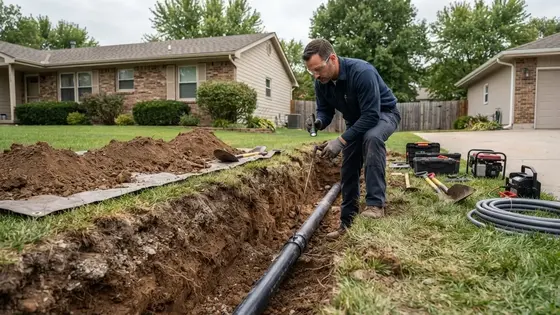
Professional plumber performing a sewer camera inspection through a residential sewer cleanout

A sewer camera inspection can help identify blockages, root intrusion, damaged pipe sections, and other problems within a property's drainage line.

Dealing With a Sewage Backup in Your Kansas City Basement?

Wastewater backing up through a basement floor drain, toilet, or shower can indicate a drainage problem that needs investigation. KC Water Damage Pros provides sewage cleanup assistance for Kansas City properties affected by sewer backups, including contamination assessment, affected material removal, and cleanup of impacted interior surfaces. Once the source of the backup has been addressed, contact our team to discuss the sewage damage and cleanup needs inside your property.

Call (816) 370-6439

Which Building Materials Must Be Removed After Sewage Damage?

Sewage exposure affects building materials differently depending on porosity, construction, contamination depth, and contact time. A finished basement may require more than surface cleaning when wastewater has entered flooring assemblies, wall cavities, insulation, or furnishings. Identifying which materials can be appropriately cleaned and which require removal is an important part of planning sewage damage restoration.

Common Building Materials Affected by Sewage Contamination

  • Carpet and Carpet Padding
    Carpet fibers and underlying padding can absorb sewage and retain contamination beneath the visible surface. Wastewater may also reach carpet tack strips, the subfloor, and adjacent baseboards. Carpet padding exposed to sewage generally requires removal, and affected carpet may also need disposal depending on the exposure and contamination conditions. The underlying floor must be evaluated and appropriately cleaned before replacement flooring is installed.
  • Drywall, Baseboards, and Wall Insulation
    Sewage can travel along the bottom of drywall and behind baseboards, potentially entering concealed wall cavities. Insulation and other porous materials may require controlled removal when contaminated. Visible staining or a wastewater line does not necessarily show the full extent of contamination, making inspection behind finished surfaces important.
  • Concrete Floors and Foundation Surfaces
    Unfinished concrete basement floors are generally more durable than porous finished flooring, but their surface texture, cracks, joints, and adjoining materials can retain contamination. Appropriate cleaning must address exposed concrete surfaces and contaminated debris. Particular attention may be needed around floor drains, foundation joints, utility penetrations, and unfinished wall bottoms.
  • Subfloors, Hardwood, Laminate, and Other Flooring
    Finished flooring can conceal sewage contamination beneath the visible surface. Hardwood, laminate, engineered flooring, vinyl plank, and tile installations have different construction characteristics. Wastewater may enter seams, expansion gaps, underlayment, adhesive layers, and subfloor assemblies. Affected flooring may require removal when contaminated layers cannot be adequately accessed and cleaned.
  • Furniture, Upholstery, and Stored Basement Contents
    Upholstered furniture, mattresses, cardboard boxes, paper products, fabric storage containers, and other absorbent belongings may retain sewage contamination. Wiping exterior surfaces does not necessarily make these items safe to retain. Nonporous belongings may have different restoration possibilities depending on their construction, exposure, and ability to be thoroughly cleaned and disinfected.
  • Cabinetry, Vanities, and Built-In Storage
    Cabinet bases, particleboard components, unfinished backs, and built-in storage can absorb wastewater through exposed edges, seams, and joints. Sewage may also become trapped beneath cabinets or inside enclosed compartments. Depending on material construction and contamination depth, affected components may require removal to expose and properly assess concealed surfaces and adjoining flooring.

How Restoration Professionals Determine What Can Be Saved

Material decisions should be based on direct exposure, absorption, contamination depth, construction type, accessibility, and the feasibility of appropriate cleaning. A material that cannot be reliably cleaned throughout its affected surfaces or layers may require removal. Restoration professionals also consider how sewage moved through the property and whether contamination reached concealed building assemblies.

The assessment should distinguish between contaminated porous materials, potentially salvageable nonporous contents, structural components requiring additional evaluation, and materials that can remain after appropriate cleaning and disinfection. The same removal decision should not automatically be applied to every material or every sewage backup.

Removing affected materials is not the same as completing sewage remediation. Exposed surfaces and remaining building components must still receive appropriate cleaning, disinfection where applicable, and moisture evaluation before replacement materials are installed. This helps ensure that concealed contamination and moisture conditions are addressed before reconstruction begins.

Sewage-damaged basement showing removed carpet, exposed subfloor, and affected lower wall materials

Sewage can affect multiple layers of a finished basement, including carpet padding, flooring, baseboards, drywall, and concealed building materials.

What Should a Professional Sewage Cleanup Estimate Include?

Sewage cleanup estimates should explain how contamination will be addressed, which materials may require removal, and what restoration work is included. Comparing estimates based on total price alone can overlook important differences in the proposed cleanup scope.

1. Identification of Affected Areas

The estimate should identify the rooms, surfaces, and building materials included in the cleanup. For a basement sewer backup, this may include the utility room, finished living space, bathroom, storage area, adjoining hallway, and other locations reached by wastewater.

Ask whether the assessment accounts for contamination beneath flooring, behind baseboards, and inside accessible wall cavities. The visible wastewater footprint may not represent the full area requiring attention.

2. Wastewater Extraction and Material Removal

The proposed scope should explain how remaining wastewater, contaminated debris, and affected porous materials will be handled. This may include extraction, removal of carpet and padding, affected drywall, insulation, trim, and other materials that cannot be safely and effectively cleaned, decontaminated, or restored based on their condition and the extent of sewage exposure.

Ask which materials are expected to be removed, how removal limits will be determined, and whether disposal and handling are included in the quoted price.

3. Cleaning and Disinfection Procedures

Cleaning and disinfection are separate steps that should be addressed appropriately. Cleaning removes visible soil, organic matter, and residue from exposed surfaces. Disinfection uses an appropriate EPA-registered product when applicable, following its label directions for approved surfaces, application methods, and required contact time after cleaning.

An estimate should identify the surfaces and areas receiving cleaning and any specified disinfection procedures. Simply spraying a deodorizer or fragrance throughout a basement is not an adequate description of sewage contamination cleanup.

4. Structural Drying and Moisture Evaluation

After contaminated materials have been addressed, remaining building materials may require drying. Depending on the project, this can involve air movement, dehumidification, moisture measurements, and monitoring of affected areas.

Ask whether structural drying is included or quoted separately, which materials will be monitored, and how the contractor determines when drying objectives have been achieved. Where appropriate, initial and follow-up moisture readings should be documented and compared with drying goals or unaffected reference materials.

5. Contents Handling and Disposal

Basement sewage backups can affect stored belongings, furniture, appliances, boxes, and personal property. The estimate should clarify whether moving contents, separating affected belongings, handling disposal, and protecting unaffected areas are included.

Nonporous belongings may sometimes be cleaned and decontaminated, while porous items exposed to sewage may be difficult or inappropriate to salvage. The proposed scope should explain how affected contents will be evaluated, separated, cleaned, or discarded.

6. Work Requiring Separate Contractors

A sewage cleanup estimate should make clear whether plumbing repairs, sewer lateral replacement, septic pumping, excavation, electrical work, and reconstruction are included or excluded.

Interior cleanup and restoration do not automatically correct the plumbing condition that caused the backup. Municipal sewer backups may require evaluation of the building drain, sewer lateral, or public sewer connection. Private septic system problems may require a qualified septic contractor to inspect the tank, distribution components, or drain field.

Property owners may need separate estimates from qualified plumbing, septic, electrical, or reconstruction contractors depending on the source of the problem and the work required.

Questions to Ask Before Approving Sewage Cleanup Work

What areas are included?

Confirm whether adjoining rooms, concealed areas, and affected contents are included in the assessment.

Which materials will be removed?

Request an explanation of why carpet, padding, drywall, insulation, or other materials are being retained or removed based on their condition and contamination.

What cleaning and disinfection are included?

Understand which surfaces receive treatment, what products are being used, and how the cleanup addresses visible soil and contamination.

How will remaining moisture be evaluated?

Ask whether moisture measurements, monitoring, and structural drying are part of the scope and whether drying results will be documented.

What documentation will be provided?

Ask about photographs, material removal records, work descriptions, product information, and applicable drying documentation.

What could increase the final cost?

Clarify how concealed contamination, additional material removal, disposal, and expanded work areas will be handled, including how additional work will be approved and priced.

A detailed sewage cleanup estimate should help the property owner understand the work being performed rather than simply provide a lump-sum price. Clear descriptions of affected materials, cleaning procedures, removal limits, drying objectives, and separate trade responsibilities make it easier to evaluate the proposed restoration work.

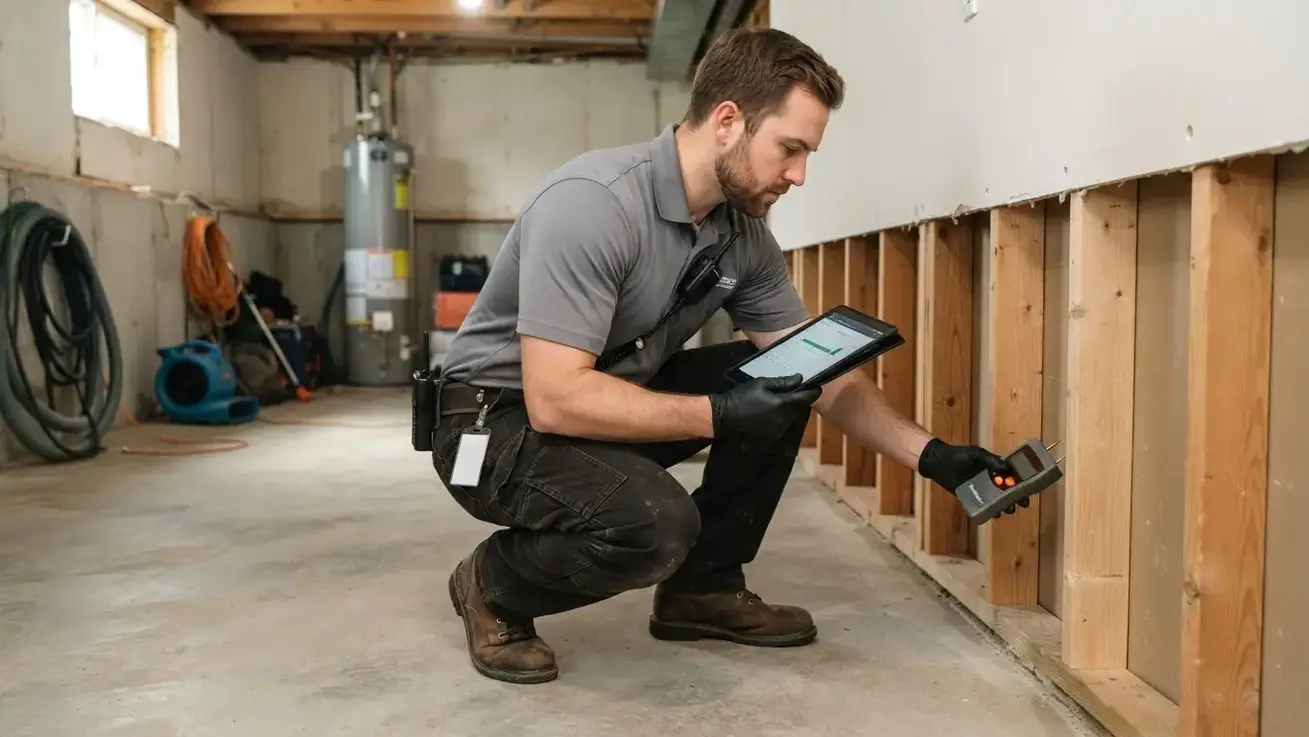
Restoration professional documenting sewage damage and evaluating affected basement materials

A documented restoration assessment helps establish affected areas, material removal requirements, cleaning procedures, and the work included in a sewage cleanup estimate.

When Is a Property Ready to Use Again After Sewage Cleanup?

Completing sewage cleanup involves more than removing visible wastewater. Before affected rooms return to normal use, the original backup should be addressed, contaminated materials properly handled, and remaining moisture and safety concerns evaluated. These are important considerations for Kansas City homeowners, property managers, and building owners.

The Original Sewage Problem Is Corrected

The source of the backup should be identified and addressed before restoration is considered complete. Depending on the property, this may involve a plumbing repair, sewer lateral service, municipal sewer investigation, or private septic system repair.

Correcting the underlying problem helps prevent another discharge from damaging newly cleaned or restored areas. Cleanup and plumbing repairs may require separate qualified contractors.

Contaminated Materials Are Properly Handled

Materials that cannot be adequately cleaned or restored may require removal. Carpet padding, damaged drywall, insulation, and other porous building materials should be evaluated according to their condition, contamination, and restoration feasibility.

Removal should be limited to materials that cannot be appropriately restored. Remaining surfaces should be accessible for necessary cleaning, treatment, and inspection before reconstruction begins.

Structural Drying Is Evaluated

Affected floors, wall cavities, framing, and other building materials should be checked for retained moisture. Moisture readings help determine whether drying has reached appropriate goals for the materials and conditions involved.

This is especially important when sewage reaches basement flooring, finished walls, subfloors, or concealed spaces. Drying equipment should be adjusted or removed based on documented moisture conditions, not simply how long it has been running.

Persistent Sewage Odors Are Addressed

Lingering odors can indicate remaining contamination, affected materials, or an unresolved plumbing issue. Odor treatment should address the underlying source rather than simply masking the smell.

Floor drains, wall cavities, porous contents, and other affected areas may need additional attention. See our odor removal services for related restoration concerns.

Damaged Interior Spaces Are Restored

Reconstruction may include replacing removed drywall, insulation, flooring, trim, and other building components. In Kansas City homes, finished basements often need additional attention because sewage can affect multiple layers of flooring and wall assemblies.

New materials should not cover areas that still require cleaning, moisture evaluation, or corrective work. Coordinating restoration with the cleanup scope helps avoid reopening finished surfaces later.

Furniture and Household Contents Are Evaluated

Furniture, rugs, stored belongings, and other contents should be assessed individually. Some nonporous items may be cleanable, while contaminated porous belongings may not be suitable for restoration.

Contents handling may involve cleaning, controlled removal, disposal, or temporary relocation during restoration. Items stored directly on affected basement floors deserve particular attention after a sewage backup.

Electrical and Mechanical Hazards Are Checked

Sewage water can reach outlets, wiring, appliances, HVAC components, and mechanical equipment. Potentially affected systems should be evaluated by qualified professionals before being placed back into service.

Basement electrical outlets, furnaces, water heaters, and other equipment may be especially vulnerable when wastewater spreads across utility or mechanical rooms. Do not operate potentially affected equipment until it has been appropriately assessed.

Cleanup and Restoration Work Is Documented

Keep records of affected areas, material removal, cleaning procedures, moisture readings, and completed repairs. Photos, invoices, and restoration documentation can also help with insurance communication and future property maintenance.

Documentation should distinguish completed cleanup from outstanding plumbing, electrical, or reconstruction work. This gives homeowners and property managers a clearer record of what was addressed and what remains to be completed.

Adjacent and Shared Areas Are Evaluated

Sewage can spread beyond the room where a backup first appears. Nearby hallways, adjoining rooms, lower-level storage areas, and shared building spaces should be checked when the contamination pathway or water movement could have affected them.

This is particularly relevant in multi-unit properties, shared basements, and buildings with connected utility or storage areas. The inspection should follow the actual path of wastewater rather than stopping at the first visibly affected room.

Affected Rooms Are Suitable for Re-Entry

Before occupants resume normal use, cleanup and necessary restoration should be complete, with outstanding safety concerns addressed. Areas with unresolved contamination, electrical hazards, or active plumbing problems may need to remain restricted until evaluated.

Household members, tenants, employees, and maintenance personnel should know which areas are ready for use and whether any temporary restrictions remain. Re-entry should be based on the completed work and remaining site conditions, not appearance alone.

There is no universal drying period or single visual test for determining when a property is ready for use. The appropriate timeline depends on the extent of sewage exposure, affected materials, cleaning requirements, moisture conditions, and any necessary repairs.

A room looking clean or no longer smelling like sewage does not automatically establish that all affected materials have been appropriately addressed. Properties throughout Kansas City and nearby communities require an evaluation based on the actual contamination and restoration conditions.

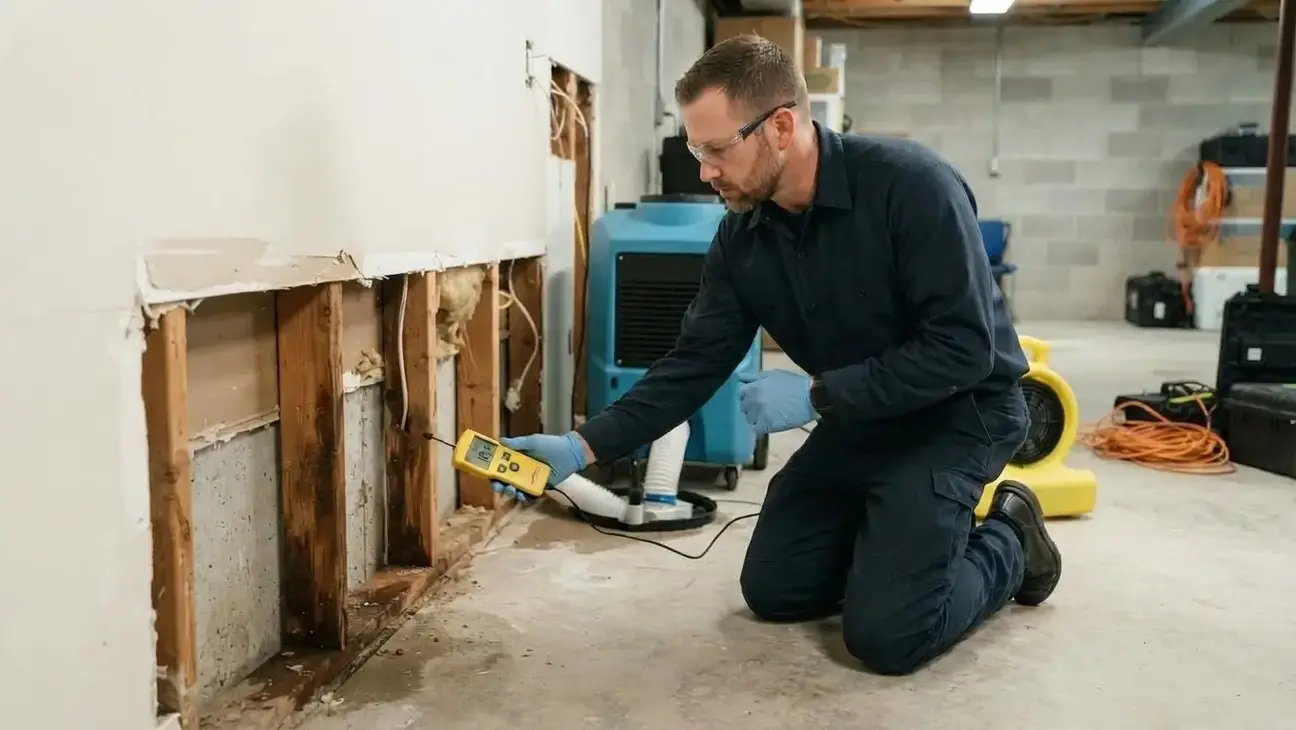
Restoration technician checking moisture conditions in a cleaned and drying residential basement

Before a basement returns to normal use, affected materials, remaining moisture, equipment, and outstanding safety concerns should be evaluated.

Preparing Your Kansas City Property for Re-Entry After Sewage Cleanup?

Returning a basement or living space to normal use after a sewage backup requires more than removing contaminated water. Affected materials, remaining moisture, persistent odors, and potential contamination in concealed areas should be evaluated before restoration is considered complete. KC Water Damage Pros provides sewage cleanup and restoration assistance for Kansas City properties affected by wastewater backups. Contact our team to discuss the cleanup, drying, and restoration work needed before your property returns to normal use.

Call (816) 370-6439

Who Is Responsible for a Sewer Backup in Kansas City?

When sewage backs up into a home or commercial property, identifying where the blockage or failure originated is an important first step. Responsibility may involve the public sewer main, the property's private service lateral, or the building's internal plumbing. The correct reporting and repair process depends on the property's location and wastewater provider.

Understanding Public Sewer Mains and Private Laterals

A property's wastewater system connects interior drain piping to a private sewer service lateral, which carries wastewater to the public sewer main. A blockage in the public main is different from a damaged or obstructed private lateral or an internal building plumbing problem.

Multiple backed-up fixtures, recurring basement floor drain backups, and slow drainage throughout a building can indicate a larger drainage issue. A plumbing inspection or sewer camera evaluation may help identify where the problem originates.

Kansas City, Missouri Sewer Responsibilities

In Kansas City, Missouri, property owners are generally responsible for maintaining and repairing their private residential sewer lateral. KC Water can inspect and, when necessary, clean the public sewer main serving a property after a sewer backup is reported.

If the backup continues, the property's plumber may need to investigate the private lateral and coordinate with KC Water to help locate the obstruction. Review KC Water's residential service lateral guidance for inspection and repair information.

Johnson County, Kansas Sewer Responsibilities

Properties served by Johnson County Wastewater follow a separate reporting and maintenance process. Within its service area, the private service lateral connecting a property to the public sanitary sewer is generally the homeowner's responsibility to maintain, repair, and replace.

A licensed plumber can investigate suspected lateral problems, including root intrusion, damaged piping, and recurring obstructions. Property owners can consult Johnson County Wastewater's residential FAQ for current guidance. Its published customer assistance number is 913-715-8600.

Sewer Repairs and Interior Sewage Cleanup Are Different

Correcting the sewer or plumbing problem does not automatically address contamination inside the property. A plumber handles the wastewater system, while restoration professionals assess affected interior surfaces, building materials, and contents.

A basement backup may require plumbing repairs followed by wastewater extraction, removal of materials that cannot be restored, cleaning, appropriate disinfection, and structural drying. Insurance coverage, municipal claims, and payment responsibility are separate questions that depend on the circumstances and applicable policies.

Important: Sewer-line maintenance responsibility does not automatically determine who pays for interior property damage. The location of the failure, applicable utility rules, insurance policy, and circumstances of the backup can all affect responsibility and coverage.

Whether a backup occurs in Kansas City, Independence, Lee's Summit, Overland Park, or another nearby community, identifying the source of the problem and addressing the resulting indoor contamination are separate but equally important parts of recovery.

Plumbing contractor inspecting an exposed residential sewer lateral during an underground sewer line repair

A private sewer lateral connects a property's drainage system to the public sewer main, and identifying the location of a blockage or pipe failure helps determine the appropriate repair responsibility.

Sewage Cleanup Costs in Kansas City

Professional sewage cleanup costs depend on the contamination source, affected square footage, and materials exposed. A localized toilet overflow may involve one bathroom, while a basement sewer backup can affect flooring, finished walls, furnishings, and multiple rooms. Extensive losses may require contaminated water removal, material removal, cleaning, disinfection, structural drying, and reconstruction. The following ranges provide general project-budgeting references.

Typical Sewage Cleanup Project Costs

Localized Toilet & Fixture Overflow Cleanup

$1,000–$3,000+

Contained toilet and fixture overflows may require wastewater removal, cleaning, disinfection, and assessment of nearby surfaces. Costs increase when contamination reaches baseboards, adjoining rooms, carpet, or porous materials.

Bathroom, Laundry Room & Floor Drain Backup

$2,000–$5,000+

Backups through floor drains, toilets, showers, or laundry connections can affect multiple surfaces. Cleanup may involve water removal, material assessment, cleaning, disinfection, and drying of affected areas.

Basement Sewer Backup Cleanup

$3,000–$8,000+

Basement backups can contaminate flooring, carpet, padding, baseboards, furniture, and stored belongings. Larger projects may require porous material removal, detailed cleaning, disinfection, and structural drying.

Extensive Contaminated Material Removal

$4,000–$10,000+

Sewage affecting carpet padding, drywall, insulation, or subfloors may require controlled removal and disposal. Project costs depend on affected square footage, material condition, access requirements, and contamination severity.

Finished Basement Sewage Remediation

$8,000–$15,000+

Extensive basement contamination can affect multiple rooms, flooring, drywall, insulation, furnishings, and stored contents. Projects may involve material removal, contents handling, cleaning, disinfection, and drying.

Finished Basement Cleanup & Reconstruction

$10,000–$22,000+

Larger basement losses may require damaged finish removal, structural drying, replacement materials, and interior reconstruction. Flooring, drywall, insulation, trim, and the size of the finished space affect total costs.

Multi-Room & Multifamily Sewage Remediation

$15,000–$30,000+

Contamination across multiple rooms, floors, or apartment units may require coordinated water removal, material removal, cleaning, disinfection, contents handling, and drying throughout affected areas.

Severe Whole Property & Commercial Remediation

$20,000–$50,000+

Large losses in commercial buildings and residential properties can involve widespread contamination, extensive material removal, contents handling, cleaning, disinfection, structural drying, and reconstruction coordination.

Crawl-Space & Septic-Related Sewage Cleanup

$2,500–$12,000+

Crawl-space and septic-related contamination may affect insulation, vapor barriers, exposed framing, and interior materials. Difficult access, material removal, and the extent of exposure influence cleanup costs. Septic pumping and system repairs are separate services.

What Affects the Cost of Sewage Cleanup?

The contamination source, duration of exposure, amount of wastewater, and affected square footage all influence project costs. A contained overflow on a nonporous surface requires a different scope than a sewer backup spreading through carpet, drywall, insulation, and finished basement areas.

Material condition also matters. Carpet padding, upholstery, insulation, and other porous materials may not be suitable for restoration after sewage exposure. Additional costs can involve contents handling, concealed-area access, cleaning, disinfection, drying equipment, labor, and disposal.

When Does Sewage Cleanup Become a Larger Restoration Project?

Widespread sewage backups can extend beyond visible water removal and surface cleaning. Contamination beneath flooring, inside wall cavities, or across multiple rooms may require material removal, additional assessment, and structural drying. The larger the affected area and the more extensive the interior finishes, the greater the potential restoration scope.

Homeowners, landlords, apartment managers, and commercial property operators should account for adjoining rooms, shared spaces, stored contents, and concealed materials when evaluating the full extent of a sewage loss.

Are Plumbing Repairs Included With Sewage Cleanup?

Sewage cleanup and plumbing repairs are generally separate scopes of work. Cleanup addresses contaminated wastewater, affected materials, cleaning, disinfection, and restoration needs. Sewer line clearing, pipe repairs, septic pumping, excavation, and system replacement may require separate plumbing or septic contractors. Confirm which services are included in an estimate before work begins.

Does Homeowners Insurance Cover Sewage Cleanup?

Coverage depends on the cause of the backup, policy language, endorsements, exclusions, and applicable limits. Some policies offer optional sewer or drain backup coverage, while others may exclude certain types of water or sewage damage. Property owners should document the damage, review their policy, and contact their insurance company to determine whether the incident may be covered.

Pricing transparency: These are broad project-budgeting estimates, not verified Kansas City market averages, fixed prices, guaranteed costs, or quotes from KC Water Damage Pros. Actual costs depend on contamination severity, affected square footage, material condition, removal requirements, cleaning, disinfection, labor, and disposal. Finished-basement reconstruction and large-property ranges may include work beyond initial sewage cleanup. Plumbing repairs, septic system work, sewer line replacement, and major reconstruction may require separate estimates. A property specific assessment is needed to determine the actual scope and price.

What Happens During Professional Sewage Cleanup in Kansas City?

Professional sewage cleanup involves more than extracting wastewater and treating the visible floor surface. A complete response must account for the contamination source, the path wastewater traveled, the materials exposed, and the condition of the building after the sewage is removed. In a Kansas City home, finished basement, rental property, or commercial building, the work may involve contamination assessment, controlled wastewater extraction, removal of unsalvageable materials, detailed cleaning, appropriate disinfection, structural drying, and restoration documentation.

The appropriate cleanup scope depends on the type of sewage release, the amount of wastewater, the duration of exposure, the affected square footage, and the construction of the property. A limited toilet overflow on an accessible hard surface presents different restoration requirements from a prolonged basement sewer backup that reaches carpet, padding, drywall, insulation, built-in cabinets, stored belongings, and concealed building assemblies.

Kansas City properties also have different plumbing and wastewater arrangements depending on their location and utility provider. Older homes, finished basements, multifamily buildings, and properties with lower-level floor drains may require particular attention to how wastewater traveled through the structure. The cleanup plan should be based on the actual conditions at the property rather than assuming every sewer backup affects the same materials or areas.

Stages of a Professional Sewage Cleanup Project

1. Initial Assessment and Contamination Mapping

The affected property is evaluated to identify where wastewater entered, how far it traveled, which rooms and materials were exposed, and whether contamination may have reached concealed areas. The assessment considers visible wastewater, floor transitions, baseboards, wall cavities, cabinets, stored contents, and other locations that may have been affected.

The inspection also considers the type of release, approximate exposure duration, building layout, and whether additional plumbing or electrical evaluation is necessary. This information helps establish the initial cleanup scope and identify areas that may require further investigation after accessible materials are removed.

2. Work Area Controls and Protective Measures

Access to contaminated areas is managed to reduce unnecessary contact and limit the transfer of wastewater residue into unaffected portions of the property. Depending on the size and layout of the project, this may involve designated work paths, protective coverings, containment, and procedures for handling contaminated equipment and debris.

Workers handling sewage require appropriate personal protective equipment, including protection against contact with contaminated liquids and splashes. The specific equipment and work controls depend on the exposure conditions, work activities, and applicable safety requirements. Occupants, children, pets, and other unauthorized individuals should remain outside restricted cleanup areas.

3. Standing Sewage and Wastewater Extraction

Standing sewage and contaminated liquid are removed using equipment and methods appropriate for the amount of wastewater, affected surfaces, and site conditions. A basement backup may require attention to floor drains, low points, utility areas, adjoining rooms, and spaces beneath or behind affected contents.

Extraction must account for potential electrical hazards, access limitations, and the need to prevent contaminated liquid from spreading into clean areas. Removing visible wastewater is an important early step, but it does not remove contamination that may remain on surfaces, inside porous materials, or within concealed building assemblies.

4. Removal of Materials That Cannot Be Restored

Materials that cannot be adequately cleaned and restored may require controlled removal. Depending on the exposure, this can include carpet padding, contaminated carpet, damaged drywall, insulation, affected underlayment, particleboard components, and other absorbent materials.

Removal decisions should consider contamination depth, material porosity, condition, accessibility, and whether all affected surfaces can be appropriately cleaned. The objective is not to remove every material that encountered wastewater automatically, but to identify materials that cannot be reliably restored and expose areas that require additional cleaning or evaluation.

5. Detailed Cleaning of Remaining Surfaces

After wastewater and unsalvageable materials have been addressed, remaining accessible surfaces are cleaned to remove visible soil, residue, and contamination. Depending on the property, this may include concrete floors, framing, masonry, exposed subflooring, plumbing fixtures, and other compatible surfaces.

Particular attention may be needed around floor drains, wall-floor junctions, foundation joints, utility penetrations, cabinet bases, and other locations where sewage residue can collect. Cleaning must address the actual affected surfaces rather than relying on a quick wipe of the visible wastewater line.

6. Appropriate Disinfection and Odor Source Treatment

Where disinfection is appropriate, it follows physical cleaning. Product selection must account for the surface, intended use, and compatibility with the material being treated. EPA-registered disinfectants should be applied according to their label directions, including specified application methods and contact times.

Disinfection does not replace removing materials that cannot be adequately cleaned. Odor treatment must also address the underlying source, such as residual sewage, contaminated debris, affected porous materials, or concealed areas. Applying fragrance or deodorizer alone does not complete sewage remediation.

7. Structural Drying and Moisture Monitoring

Once contaminated materials have been handled and appropriate cleaning has taken place, remaining moisture in retained building materials can be evaluated. Depending on the property, this may include concrete, framing, subflooring, masonry, and other affected structural surfaces.

Drying equipment and monitoring methods are selected according to the materials, moisture conditions, and configuration of the affected space. Moisture readings help document drying progress, but they do not establish whether a sewage-exposed material has been adequately cleaned or decontaminated.

8. Final Evaluation and Restoration Documentation

The completed cleanup work is reviewed to identify outstanding contamination, moisture, or repair concerns. Depending on the project, documentation may include photographs, affected-area descriptions, material removal records, cleaning information, and initial and follow-up moisture readings.

The final review also helps identify work that remains outside the cleanup scope, such as plumbing repairs, electrical evaluation, or reconstruction. Replacement flooring, drywall, insulation, and other finishes should not conceal areas that still require cleaning, inspection, or drying.

Why the Source of the Sewage Backup Must Be Addressed

Interior sewage cleanup and correction of the original plumbing problem are separate but related parts of the response. If a blocked building drain, damaged sewer lateral, failed plumbing connection, or other wastewater system problem remains unresolved, another discharge could affect the property after cleanup has started or restoration materials have been installed.

A qualified plumber can investigate the building's drainage system, evaluate accessible cleanouts, perform a sewer camera inspection when appropriate, and determine whether a blockage or damaged pipe requires repair. If a public sewer problem is suspected, the property owner may also need to contact the wastewater utility serving the address. The correct reporting process depends on the property's location and service provider.

This distinction is especially important across the Kansas City metropolitan area, where properties may be served by different municipal and regional wastewater systems. Kansas City, Missouri, has both combined and separate sewer areas. A combined system carries stormwater and wastewater in the same pipe, while separate systems use different pipes for those flows. These system differences can matter when investigating recurring storm-related backups, but the actual source at an individual property still needs to be established.

A restoration contractor addresses the resulting indoor contamination and building damage. A plumber or appropriate utility addresses the underlying drainage or sewer issue. Coordinating these responsibilities helps property owners understand which work prevents another backup and which work addresses the damage already inside the building.

How Sewage Contamination Can Spread Beyond the Visible Backup Area

The visible wastewater footprint does not always show the full extent of a sewage loss. In a finished basement, contaminated liquid can move beneath carpet, enter carpet padding, collect along baseboards, and reach the lower edges of drywall. It may also travel through flooring seams, expansion gaps, wall openings, and spaces beneath cabinets or built-in storage.

The construction of the affected area influences how far contamination can travel. Tile installed over a concrete slab presents different access and cleaning considerations from carpet installed over a padded floor assembly or laminate flooring installed over an absorbent underlayment. Finished walls can also conceal insulation, framing, and other materials that are not visible during the initial inspection.

For this reason, cleanup planning should consider adjoining rooms, connected floor areas, utility spaces, and materials located beneath or behind visible finishes. Additional inspection may be necessary after affected flooring, trim, or wall materials are removed. The work area should be determined by the actual contamination pathway, not simply by the room where sewage first appeared.

Which Sewage Exposed Materials Can Be Cleaned and Which May Need Removal?

Material decisions depend on the type of material, the amount and duration of exposure, contamination depth, physical condition, and whether the affected surfaces can be accessed and adequately cleaned. Porous materials can absorb sewage beyond their visible surfaces, making complete cleaning more difficult.

Carpet padding, sewage-saturated insulation, damaged drywall, mattresses, and other absorbent materials may require removal when they cannot be reliably restored. Carpet, upholstered furniture, and other contents require an evaluation based on their construction and exposure. Nonporous, intact materials may have better restoration potential when their surfaces can be thoroughly accessed, physically cleaned, and appropriately disinfected where needed.

Concrete and exposed structural surfaces may also require detailed attention. Although concrete is generally more durable than absorbent finish materials, cracks, joints, surface irregularities, and adjoining porous materials can retain sewage residue. Cleaning must address the accessible surfaces and any affected debris rather than assuming that an unfinished basement floor requires no additional work.

Removing contaminated materials is only one part of the cleanup. Remaining surfaces still require appropriate cleaning, and any necessary disinfection must be performed according to the product's directions and the surface being treated. The assessment should explain why materials are being retained or removed instead of applying the same removal decision to every room or property.

Why Wastewater Extraction Must Be Followed by Cleaning and Disinfection

Wastewater extraction removes standing liquid, but it does not necessarily remove organic residue, suspended debris, or contamination left behind on building surfaces. A basement floor can look dry after extraction while still requiring physical cleaning. The same concern applies to floor drains, plumbing fixtures, exposed concrete, and other surfaces contacted by sewage.

Cleaning and disinfection serve different purposes. Cleaning physically removes soil and residue. Disinfection uses an appropriate product on compatible surfaces according to its label directions. Applying a disinfectant over visible soil or using a product outside its labeled conditions should not be treated as a substitute for proper surface preparation.

The cleanup plan should identify which surfaces are being cleaned, where disinfection is appropriate, and how materials that cannot be adequately cleaned are being handled. Not every building material can be treated successfully with a surface-applied product, particularly when contamination has penetrated absorbent layers or inaccessible assemblies.

Structural Drying After Sewage Contamination Has Been Addressed

Sewage cleanup and structural drying are connected, but they are not interchangeable. Drying equipment manages moisture in materials that remain after contaminated wastewater, debris, and affected materials have been addressed. It does not remove sewage residue or make an inadequately cleaned material suitable for reuse.

In Kansas City basements, moisture evaluation may include concrete slabs, exposed framing, subflooring, lower wall assemblies, and other materials affected by the backup. Depending on the building configuration, additional access may be necessary to evaluate concealed spaces behind removed baseboards, flooring, or drywall.

Moisture measurements can help establish initial conditions, guide equipment placement, and document drying progress. Readings should be interpreted in relation to the material, location, and appropriate drying objectives. A dry reading does not prove that a surface is free of sewage contamination, just as the absence of an odor does not establish that all affected materials have been addressed.

Learn more about the role of structural drying after water damage when retained building materials require moisture monitoring and controlled drying following cleanup.

Contents Handling During Basement Sewage Cleanup

Basements often contain stored belongings, seasonal decorations, cardboard boxes, clothing, furniture, exercise equipment, appliances, and household supplies. When sewage spreads across the floor, items stored directly on the slab or inside lower cabinets may be exposed even when the contents appear undamaged.

Contents should be evaluated according to their material, construction, exposure, and ability to be thoroughly cleaned. Nonporous items may sometimes be suitable for cleaning, while absorbent belongings such as mattresses, upholstered furniture, paper products, and contaminated cardboard may be difficult or inappropriate to restore.

Handling plans should also consider how affected belongings are separated from unaffected contents, where items can be temporarily stored, and how contaminated debris is moved out of the property. These decisions are particularly important in occupied homes, rental properties, and multifamily buildings where cleanup work may take place near personal belongings or shared spaces.

Cleaning, Disinfection, and Sewage Odor Removal Are Different Tasks

Persistent sewage odors may come from contaminated residue, absorbent materials, affected contents, floor drains, or concealed areas that have not yet been adequately addressed. Odor treatment should follow investigation of the source rather than simply attempting to cover the smell with fragrance.

Cleaning removes physical soil and residue. Disinfection addresses microorganisms on appropriate surfaces when a suitable product is used according to its label. Odor treatment focuses on remaining odor sources and affected materials. These tasks may overlap during a project, but one does not automatically replace the others.

If sewage odor continues after visible wastewater has been removed, the affected area may need additional inspection. Carpet edges, floor transitions, wall cavities, cabinet bases, floor drains, and stored contents can warrant attention depending on where the wastewater traveled. Deodorizing without addressing the contamination source does not complete the remediation work.

When Can Reconstruction Begin After Sewage Cleanup?

Reconstruction should not begin simply because the visible wastewater is gone or the floor feels dry. Before new flooring, drywall, insulation, trim, or other finishes are installed, affected materials must be addressed, remaining surfaces appropriately cleaned, and moisture conditions evaluated.

The underlying plumbing or sewer issue should also be corrected or otherwise appropriately addressed before the property is returned to normal service. Electrical systems, appliances, HVAC components, and mechanical equipment that may have contacted sewage or contaminated water should be evaluated by qualified professionals before use.

The appropriate reconstruction timeline varies with the extent of contamination, the materials involved, the access required, and the remaining repair work. Some projects involve limited cleaning and drying, while extensive finished basement sewage damage may require removal, additional evaluation, and replacement of multiple building components.

What Should Be Documented During a Sewage Cleanup Project?

Good project documentation helps property owners understand what was affected, what work was completed, and which repairs remain outstanding. Depending on the project, records may include photographs of the original backup, affected rooms, material removal, exposed building assemblies, and completed cleaning work.

Documentation may also include a written description of the work scope, affected material inventory, disposal information, cleaning and disinfection details, moisture readings, and equipment monitoring records where applicable. Property owners should keep estimates, invoices, plumbing reports, and communications with their insurance company or wastewater utility.

For Kansas City homeowners, landlords, and commercial property managers, keeping cleanup records separate from plumbing repair and reconstruction documentation can make it easier to understand which portions of the property loss have been addressed. Insurance coverage and claim requirements vary by policy and incident, so documentation should not be treated as a guarantee of reimbursement.

Important: Sewage cleanup procedures must be based on the actual contamination, affected materials, and conditions at the property. Wastewater extraction, material removal, cleaning, disinfection, odor treatment, and structural drying are distinct parts of the restoration process. Drying alone does not resolve sewage contamination, and a clean appearance does not establish that every affected area has been appropriately addressed.

Professional sewage cleanup technician extracting contaminated wastewater from a residential basement floor in Kansas City

Professional sewage cleanup begins with controlled wastewater extraction before affected materials and remaining surfaces are evaluated and addressed.

Sewage Backup Insurance Documentation and Restoration Records

After a sewage backup, property owners may need to document the damage for an insurance claim, property management records, or restoration planning. Photographs, plumbing findings, cleanup estimates, and records of removed materials can help establish what happened and what restoration work was necessary. This is particularly important when wastewater affects finished basements, flooring, drywall, personal belongings, or multiple rooms.

What Should You Document After a Sewage Backup?

  • Photographs and Videos of Property Damage
    Document visible wastewater, affected rooms, flooring, walls, baseboards, and damaged belongings before cleanup begins, whenever it is safe to do so.
  • Incident Dates and Details
    Record when the backup was discovered, how long it continued, and whether it followed heavy rainfall, normal plumbing use, or problems involving multiple drains.
  • Affected Rooms and Building Materials
    Identify affected basements, bathrooms, laundry rooms, and utility areas. Document damage to carpet, padding, drywall, insulation, flooring, and baseboards.
  • Damaged Personal Belongings
    Inventory affected furniture, appliances, rugs, and stored belongings. Include descriptions, photographs, and available purchase information.
  • Plumbing Inspections and Repair Records
    Retain plumber assessments, sewer camera findings, drain inspection reports, and repair invoices documenting the suspected or confirmed source of the backup.
  • Cleanup Estimates and Work Scopes
    Keep written estimates and contractor work descriptions identifying wastewater extraction, contaminated material removal, cleaning, disinfection, and structural drying.
  • Removed Materials and Disposal Records
    Document contaminated carpet, drywall, insulation, flooring, and belongings removed during cleanup. Retain photographs and disposal information when available.
  • Moisture Readings and Drying Records
    Retain available moisture-monitoring information showing the materials evaluated, locations checked, and drying progress. Moisture readings alone do not establish that sewage contamination has been resolved.
  • Invoices and Additional Expenses
    Keep cleanup invoices, plumbing expenses, temporary accommodation receipts, and other related costs.
  • Insurance and Contractor Communications
    Save claim numbers, adjuster information, inspection dates, emails, written instructions, and notes from important conversations.

Does Homeowners Insurance Cover a Sewage Backup?

Homeowners insurance does not automatically cover every type of sewage backup. Some policies require a separate water backup or sewer backup endorsement, which may have specific coverage limits, deductibles, and exclusions. Coverage can also differ depending on whether wastewater entered through a drain, a plumbing failure occurred, or surface water entered through the foundation.

Kansas City property owners should review their individual policy and ask their insurance company about applicable coverage for building materials, personal belongings, and additional living expenses. Missouri and Kansas residents can also consult their respective insurance departments for general consumer information.

Why Does the Source of the Sewage Backup Matter?

The cause of a sewage backup can affect how an insurance claim is evaluated. A blockage in a private sewer lateral, an interior plumbing failure, and a problem involving a public wastewater system are different circumstances. Kansas City metropolitan properties connect to different municipal wastewater systems, so the responsible utility and maintenance arrangements can vary by location.

Plumber assessments, sewer camera inspections, repair invoices, and wastewater utility communications can help document the suspected source. If the cause has not been confirmed, record it as undetermined rather than assuming an explanation.

Should You Wait for an Insurance Inspection Before Cleanup?

Contact your insurance company as soon as practical and ask about inspection and documentation requirements. However, sewage should not remain inside a property simply to wait for an adjuster. Contaminated wastewater can expose occupants to biological hazards and continue affecting building materials and belongings.

Photograph the damage before emergency cleanup when it is safe to do so. Retain available estimates, invoices, material-removal records, and photographs of the work performed. Necessary emergency mitigation should prioritize occupant safety and preventing additional property damage.

Additional Records for Rental and Commercial Properties

Sewage backups in rental properties, multifamily buildings, and commercial spaces may involve multiple units, shared plumbing areas, hallways, and utility rooms. Property owners and managers should maintain organized records identifying affected spaces and the restoration work performed.

  • Affected Units and Common Areas
    Identify apartments, offices, storage rooms, hallways, and shared spaces affected by wastewater.
  • Occupant Notifications and Access
    Maintain appropriate records of tenant notifications, access arrangements, and temporary property restrictions.
  • Contractor Work and Restoration Status
    Document which contractors handled plumbing repairs, wastewater removal, material removal, cleaning, drying, and any remaining reconstruction.
  • Property Maintenance Records
    Keep photographs, inspection findings, invoices, and restoration summaries with the property's maintenance documentation.

Keeping organized sewage cleanup records can help with insurance follow-up, future plumbing repairs, property maintenance, and reconstruction planning. Coverage depends on the individual insurance policy, so contact your insurer or agent to confirm applicable limits, exclusions, reporting deadlines, and claim requirements.

Restoration technician documenting basement damage and moisture conditions following professional sewage cleanup

Photographs, inspection findings, and moisture records help document affected materials and completed restoration work following a sewage backup.

Need Sewage Cleanup Documentation for Your Kansas City Property?

Thorough restoration records can help document the condition of your property, the materials affected by sewage, and the cleanup work performed. KC Water Damage Pros provides sewage cleanup assistance for Kansas City properties, including wastewater removal, contaminated material removal, cleaning, disinfection, and structural drying. Our team can document relevant cleanup findings and work performed to support your property records and insurance follow-up. Contact your insurer directly to confirm coverage and claim documentation requirements.

Call (816) 370-6439

Sewage Cleanup Services Throughout Kansas City

KC Water Damage Pros provides sewage cleanup services throughout the Kansas City metropolitan area in Missouri and Kansas. Sewage backups, overflowing toilets, sewer line blockages, floor drain backups, and wastewater overflows can introduce contaminated water into basements, bathrooms, utility rooms, and other interior spaces. Affected flooring, drywall, insulation, personal belongings, and building materials may require careful assessment, contaminated water removal, cleaning, and appropriate disinfection before restoration can proceed.

Kansas City properties can experience different sewage cleanup challenges depending on their plumbing systems, building layout, and the location of the backup. Finished basements may contain carpet, drywall, stored belongings, and other porous materials that have been exposed to contaminated wastewater. Older homes may have aging drain lines or plumbing connections, while apartments, rental properties, and commercial buildings can experience contamination across multiple rooms or adjoining units. Cleanup requirements depend on the source of the sewage, the extent of contamination, and which materials can be appropriately cleaned or need removal.

  • Kansas City, MO
  • Kansas City, KS
  • Independence, MO
  • Lee's Summit, MO
  • Blue Springs, MO
  • Raytown, MO
  • Gladstone, MO
  • Liberty, MO
  • North Kansas City, MO
  • Grandview, MO
  • Belton, MO
  • Raymore, MO
  • Overland Park, KS
  • Olathe, KS
  • Lenexa, KS
  • Shawnee, KS
  • Leawood, KS
  • Prairie Village, KS
  • Mission, KS
  • Mission Hills, KS
  • Roeland Park, KS
  • Greater Jackson County, MO
  • Greater Johnson County, KS
  • Greater Kansas City Metropolitan Area

If your property has experienced a sewage backup, avoid contact with contaminated water and affected materials until the area has been appropriately assessed. Removing visible wastewater does not necessarily address contamination absorbed into carpet, padding, drywall, insulation, or other porous materials. The appropriate cleanup process depends on the affected materials and the extent of exposure. For related restoration services, learn more about water extraction, structural drying, and odor removal.

Frequently Asked Questions About Sewage Cleanup in Kansas City

Sewage backups and wastewater overflows can introduce harmful contaminants into homes, basements, and commercial properties. These answers cover sewage removal, contaminated water cleanup, sanitation, affected building materials, restoration costs, and what property owners should know after a sewage incident in the Kansas City area.

What is professional sewage cleanup?
Professional sewage cleanup involves removing contaminated wastewater, evaluating affected materials, and addressing contamination left behind by a sewage backup or overflow. Depending on the incident, the work may involve water removal, disposal of unsalvageable materials, cleaning, appropriate disinfection, and structural drying. Unlike ordinary water extraction, sewage cleanup requires additional precautions because wastewater may contain bacteria, viruses, and other harmful contaminants.
What causes sewage backups in Kansas City homes?
Sewage backups can result from blocked sewer lines, tree root intrusion, damaged pipes, accumulated debris, plumbing failures, and overloaded municipal sewer systems. Heavy rainfall can also contribute to sewer backups in some areas when drainage and wastewater systems become overwhelmed. Older plumbing, basement floor drains, and lower-level bathrooms can create additional concerns when wastewater cannot flow properly through the drainage system.
What is the difference between sewage cleanup and water damage cleanup?
Water damage cleanup may involve relatively clean water from a broken supply line or appliance leak. Sewage cleanup involves wastewater that may contain human waste, bacteria, viruses, and other contaminants. The difference affects safety precautions, cleaning procedures, material handling, and disposal requirements. Sewage-contaminated materials should not be treated like ordinary wet carpet or flooring.
What is blackwater, and why is it dangerous?
Blackwater is a term commonly used for heavily contaminated wastewater, including sewage containing human waste. It may contain disease-causing microorganisms and other harmful substances. Direct contact can create health risks, especially through open wounds, accidental ingestion, or contact with contaminated surfaces. Avoid entering affected areas or attempting cleanup without appropriate protective measures.
What types of sewage incidents require professional cleanup?
Professional assessment may be necessary after sewer line backups, overflowing toilets, wastewater discharge from floor drains, sewage-contaminated basement flooding, damaged drain connections, and other wastewater overflows. The extent of cleanup depends on the source, contamination level, affected square footage, and materials exposed. Even a relatively small sewage release can require careful evaluation if contaminated water reaches porous building materials.
What should I do immediately after a sewage backup?
Keep people and pets away from contaminated areas. Avoid touching wastewater, wet contents, or contaminated surfaces. If it is safe to do so, stop the source of the overflow without entering the affected area. Avoid using electrical equipment or entering flooded spaces where electrical hazards may exist. Contact a qualified sewage cleanup professional and arrange plumbing assistance to identify and stop the underlying problem.
Can I clean up sewage water myself?
Minor plumbing spills involving clean water are different from sewage contamination. Sewage can expose occupants to harmful microorganisms and contaminate porous materials, flooring, and personal belongings. Household cleaners and ordinary wet vacuums may not provide appropriate protection or cleanup. Larger releases, basement backups, and sewage that has contacted building materials should be evaluated before anyone attempts cleanup.
Should I stay in my home after a sewage backup?
Whether a property remains suitable for occupancy depends on the amount of sewage released, affected areas, contamination severity, and whether occupants can safely avoid exposure. Extensive contamination, strong sewage odors, or wastewater affecting living spaces may require restricting access or temporarily leaving the property. Keep children, pets, and vulnerable occupants away from affected areas until the contamination has been properly addressed.
Can sewage backups happen in finished basements?
Yes. Finished basements can be particularly vulnerable because wastewater may spread beneath carpet, into padding, along baseboards, and behind finished walls. Lower-level bathrooms, laundry areas, floor drains, and plumbing fixtures can become affected during a backup. Even after visible wastewater is removed, contamination may remain in porous materials and concealed spaces that require further evaluation.
Why does my basement floor drain keep backing up?
A basement floor drain may back up when a connected drain line or sewer lateral is obstructed, damaged, or unable to carry wastewater away properly. Heavy rainfall and sewer system overload can contribute to backups in some locations. Repeated floor drain problems should be investigated by a qualified plumbing professional to determine whether the issue involves a private drain line, sewer lateral, or municipal system.
Can heavy Kansas City rainfall cause a sewage backup?
Heavy rainfall can contribute to sewer backups in some neighborhoods, particularly where drainage infrastructure is overloaded, sewer lines have defects, or stormwater enters wastewater systems. Basement floor drains and lower-level plumbing fixtures may be affected when wastewater cannot move through the system normally. The specific cause depends on the property's plumbing connections and local drainage conditions.
Can an overflowing toilet create a sewage contamination problem?
Yes. An overflowing toilet can release contaminated wastewater onto bathroom flooring, surrounding baseboards, adjacent rooms, and materials beneath the finished surface. The contamination risk depends on the source of the overflow and what the wastewater contains. If sewage has spread beyond a small, easily contained area or entered porous materials, professional assessment and appropriate cleanup may be necessary.
What is the difference between a sewer backup and a septic backup?
A sewer backup involves wastewater returning from a connected sewer drainage system, while a septic backup involves a problem with a property's private septic system or its connected plumbing. Both can introduce contaminated wastewater into occupied areas. Septic system failures may require a septic contractor in addition to interior sewage cleanup, depending on the cause and location of the problem.
Does sewage cleanup include removing standing wastewater?
Water removal is often an important part of sewage cleanup. The affected area must first be assessed to determine the contamination source and appropriate handling precautions. Contaminated wastewater can then be removed using suitable equipment and procedures. Additional work may be necessary to address residue, contaminated materials, affected contents, and moisture remaining in the building.
What happens to carpet after a sewage backup?
Carpet exposed to sewage may retain contaminants even after visible wastewater has been extracted. Padding can absorb contaminated water, while residue may remain in carpet backing and the subfloor. Depending on the extent of exposure and material condition, carpet and padding may need to be removed and discarded rather than cleaned and returned to service. The decision should be based on contamination conditions, not appearance alone.
Does sewage-contaminated carpet padding need to be replaced?
In many sewage contamination situations, porous carpet padding cannot be reliably restored and may need removal. Padding can absorb wastewater and retain contamination beneath the visible carpet surface. The underlying subfloor should also be evaluated before new flooring is installed. Simply replacing the carpet without addressing affected materials underneath may leave contamination behind.
Can sewage damage drywall and insulation?
Yes. Sewage-contaminated water can travel into drywall, insulation, wall cavities, baseboards, and other porous building materials. These materials may absorb contaminated wastewater beyond the visible waterline. Depending on the extent of exposure and their condition, affected sections may require controlled removal and disposal. Concealed spaces should be evaluated before closing walls or beginning reconstruction.
Can sewage contaminate hardwood or laminate flooring?
Yes. Sewage can enter flooring seams, joints, unfinished edges, and spaces beneath the finished surface. Hardwood may absorb moisture and contamination, while laminate flooring can swell or deteriorate when exposed to wastewater. The subfloor may also be affected. Whether flooring can remain in place depends on its construction, exposure, contamination, and condition after the incident.
What happens to furniture and belongings exposed to sewage?
The appropriate handling depends on the item, material, contamination level, and extent of exposure. Nonporous items may sometimes be cleaned and disinfected using appropriate procedures. Upholstered furniture, mattresses, cardboard, and other absorbent belongings can be much harder to restore after sewage exposure. Items that cannot be adequately cleaned may need disposal. Avoid moving contaminated belongings through clean areas without appropriate precautions.
Does sewage cleanup include disinfection?
Appropriate cleaning and disinfection may be part of a sewage cleanup project after contaminated wastewater and affected materials have been addressed. The products and procedures must be suitable for the surfaces and contamination involved. Applying disinfectant over visible debris or contaminated residue is not a substitute for removing the contamination first. Product instructions and required contact times also matter.
Does sewage cleanup include structural drying?
Structural drying may be necessary after sewage removal when moisture has entered retained building materials. However, drying does not make contaminated materials safe or replace necessary cleaning and removal. The appropriate sequence is to address contamination first, determine which materials can remain, and then evaluate whether additional drying is appropriate. Learn more about structural drying services.
Can sewage backups cause mold growth?
Sewage backups can leave moisture in drywall, flooring, insulation, baseboards, and other building materials. When moisture remains, conditions may support mold growth. Contamination cleanup and removal of unsalvageable materials should not be delayed while the property remains damp. Appropriate moisture assessment and drying are important parts of reducing secondary moisture damage. Learn more about mold prevention after water damage.
How do professionals remove sewage odors after a backup?
Persistent sewage odors can indicate that contaminated residue or affected materials remain. Effective odor control begins with addressing the wastewater source, removing contaminated materials where necessary, and cleaning affected surfaces. Additional odor treatment may be appropriate after the underlying contamination has been addressed. Simply using fragrance sprays or deodorizers will not resolve an active sewage problem.
Why does my house still smell like sewage after cleanup?
Sewage odors may persist when contamination remains beneath flooring, inside wall cavities, around floor drains, or within other affected materials. A plumbing problem that has not been corrected can also allow odors to return. If the smell continues after visible cleanup, the source should be investigated rather than repeatedly masking the odor. Learn more about professional odor removal.
How long does professional sewage cleanup take?
The timeline depends on the amount of wastewater, contamination severity, affected square footage, building materials, and extent of removal and cleaning required. A contained incident may involve less work than a basement backup affecting carpet, drywall, stored belongings, and multiple rooms. Additional drying, plumbing repairs, inspections, and reconstruction can extend the overall restoration timeline.
Can I use my basement after sewage cleanup?
The basement should not be returned to normal use until contaminated materials have been addressed and the affected areas are considered suitable for occupancy. Visible water removal alone does not establish that cleanup is complete. Flooring, wall cavities, stored belongings, and other exposed surfaces may require additional attention. Follow the cleanup professional's instructions about access, safety, and any remaining restoration work.
Does sewage cleanup require removing drywall?
Not every sewage incident requires drywall removal. However, drywall that has absorbed contaminated wastewater may not be suitable for cleaning and restoration, particularly when contamination has entered the wall cavity or insulation. The extent of removal depends on the water exposure, material condition, and contamination assessment. Removing only visibly damaged sections without evaluating concealed areas can leave affected materials behind.
Is sewage cleanup different for commercial properties?
Commercial sewage incidents can involve larger floor areas, public access spaces, restrooms, utility rooms, tenant areas, and shared plumbing systems. Cleanup planning must consider the contamination, building use, affected occupants, access restrictions, and any applicable safety requirements. Offices, retail properties, apartment buildings, and other commercial spaces may require a broader assessment than a localized residential plumbing incident.
Can sewage cleanup be performed in apartments and rental properties?
Yes. Sewage backups in apartments and rental properties can affect individual units, shared plumbing, hallways, utility areas, and adjoining spaces. Property managers should determine whether the source is isolated to one unit or connected to a larger plumbing issue. Cleanup requirements depend on the affected areas, contaminated materials, and whether neighboring units or shared building components were exposed.
Who is responsible for sewage cleanup in a rental property?
Responsibility depends on the lease, cause of the backup, property ownership, applicable law, and insurance arrangements. A plumbing failure in a shared building system may be handled differently from a problem caused by conditions within an individual unit. Tenants should promptly notify the property manager or landlord, avoid affected areas, and document the incident when it is safe to do so.
How much does sewage cleanup cost in Kansas City?
Sewage cleanup costs depend on the amount of contaminated water, affected square footage, contamination severity, materials requiring removal, cleaning and disinfection requirements, and drying needs. A localized toilet overflow can involve a different scope from a basement sewer backup affecting several rooms and finished building materials. Plumbing repairs, extensive demolition, disposal, and reconstruction may add to the total. A property-specific assessment is needed to establish the actual project cost.
What makes a large sewage cleanup project more expensive?
Larger projects may involve multiple rooms, extensive contaminated flooring, wall and insulation removal, contents handling, specialized cleaning, and disposal requirements. Sewage that spreads through a finished basement or commercial property can affect materials beyond the visible waterline. Additional drying, reconstruction, and coordination with plumbing contractors may also increase the overall restoration scope.
Does homeowners insurance cover sewage backup cleanup?
Coverage depends on the policy, the source of the backup, applicable exclusions, and whether the property has sewer or water backup coverage. Some policies offer a separate endorsement or limited coverage for certain backup incidents. Gradual deterioration, maintenance problems, and flooding may be treated differently from sudden plumbing or sewer events. Contact your insurer to confirm coverage, limits, documentation requirements, and any applicable deductible. A cleanup estimate does not guarantee insurance payment.
Should I photograph sewage damage before cleanup?
If it is safe to do so without entering contaminated areas, photographs and videos can help document the affected rooms, visible wastewater, damaged materials, and personal property. Record when the incident occurred and keep relevant plumbing or insurance information. Do not delay necessary safety measures or cleanup to collect evidence. Follow your insurance company's instructions for documenting the loss.
Does sewage cleanup include repairing the sewer line?
Interior sewage cleanup and plumbing or sewer line repair are separate scopes of work. Cleanup addresses contaminated water and affected property materials, while a qualified plumber or sewer contractor investigates and repairs the underlying drainage problem. Identifying and correcting the source is important because cleaning the interior without resolving a recurring backup can leave the property vulnerable to another incident.
What information should I provide when requesting sewage cleanup?
Explain where the wastewater entered the property, when the incident occurred, and whether the source was a toilet, floor drain, sewer line, or another plumbing connection. Describe which rooms and materials were affected, whether standing water remains, and whether the backup has happened before. Mention whether the property is a home, basement apartment, rental unit, or commercial building. These details help communicate the situation and determine appropriate next steps.
Do you provide sewage cleanup throughout the Kansas City metro?
Service inquiries may involve properties in Kansas City, Missouri, Kansas City, Kansas, and surrounding communities such as Independence, Lee's Summit, Blue Springs, Raytown, Liberty, Overland Park, Olathe, Lenexa, and Shawnee. Availability should be confirmed for the property's specific location. Contact us with the property city and a description of the sewage incident to discuss service availability.
How do I arrange professional sewage cleanup in Kansas City?
Describe the type of sewage incident, where the wastewater entered, how much of the property is affected, and whether the source has been stopped. Avoid contact with contaminated areas while arranging assistance. Call KC Water Damage Pros at (816) 370-6439 or use our water damage quote request to provide information about the property and discuss the appropriate next steps.

Need Professional Sewage Cleanup in Kansas City?

Sewage backups and wastewater overflows can expose your property to harmful contaminants while damaging flooring, drywall, insulation, personal belongings, and other interior materials. Whether the problem involves a backed-up sewer line, an overflowing toilet, a basement sewage backup, or contaminated water spreading through multiple rooms, affected areas require careful assessment and appropriate cleanup procedures. KC Water Damage Pros helps property owners address sewage-related water damage by evaluating affected materials, removing contaminated water, and determining the appropriate cleaning, disinfection, and restoration steps. If your Kansas City property has experienced a sewage backup or wastewater intrusion, avoid contact with contaminated areas and contact us to discuss the situation and determine the appropriate next steps.