🌬️ Kansas City Odor Removal • Smoke Odor Treatment • Persistent Odor Elimination • Professional Deodorization

Odor Removal Services in Kansas City, MO

Persistent indoor odors can remain long after the original source of a problem has been removed. Smoke residue, water damage, sewage incidents, and other odor-producing conditions can leave unpleasant smells trapped in carpeting, upholstery, drywall, flooring, and other porous materials. KC Water Damage Pros helps homeowners and businesses address lingering odors through professional odor assessment, targeted cleaning, appropriate deodorization methods, and treatment of affected areas to help reduce recurring odor problems.

Supporting homeowners, businesses, landlords, and property managers throughout Kansas City, Overland Park, Lee's Summit, Independence, and nearby Missouri and Kansas communities. Whether a property has lingering smoke odors, musty smells following water damage, persistent odors in a finished basement, or unpleasant smells affecting multiple rooms, identifying the underlying source and materials involved is an important part of selecting an effective odor-treatment approach.

Odor Removal • Smoke Odor Treatment • Water Damage Odors • Professional Deodorization

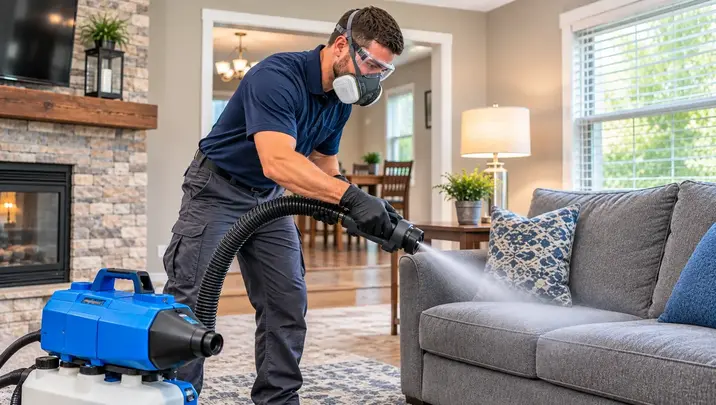
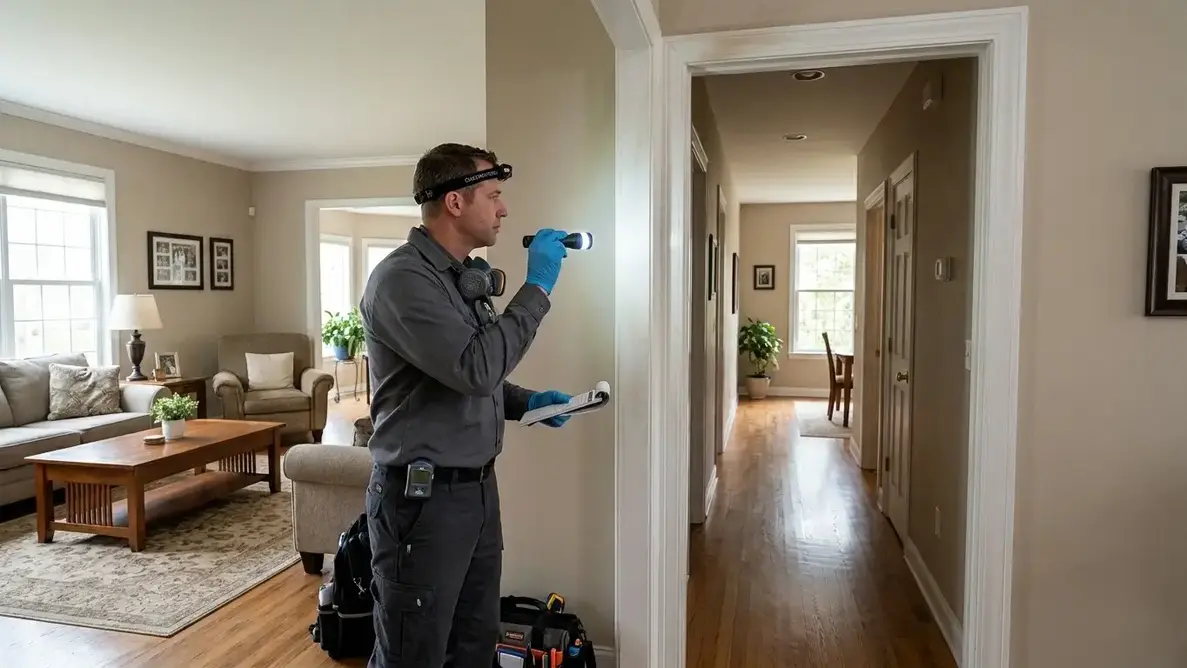
Professional odor removal technician treating an indoor area affected by persistent odors inside a Kansas City property
Professional Odor Removal Persistent Odors • Indoor Air Treatment • Odor Source Identification
Residential & Commercial Odor Treatment Homes • Apartments • Rental Properties • Commercial Interiors
Odor Source & Material Assessment Carpets • Upholstery • Building Materials • Affected Interior Surfaces
Kansas City Odor Removal Kansas City, MO • Kansas City, KS • Surrounding Communities

Understanding Persistent Odors in Kansas City Homes

Persistent indoor odors can be difficult to eliminate because the source is not always visible or limited to the air. Cigarette smoke, fire residue, pet urine, sewage contamination, and moisture-related odors can penetrate porous materials and remain in carpets, padding, upholstery, drywall, flooring, and other interior surfaces. Ordinary cleaning products and air fresheners may temporarily reduce noticeable smells without addressing the material or contamination responsible for the odor. Professional odor removal begins with identifying the source and evaluating how extensively it has affected the property.

Kansas City homes can present different odor remediation challenges depending on their age, construction, ventilation, and previous use. Finished basements, older carpeting, enclosed utility areas, and properties with a history of plumbing leaks or flooding may retain unpleasant smells long after the original problem appears to be resolved. Tobacco residue can accumulate on walls and ceilings, while pet urine can penetrate beneath flooring into carpet padding and subfloors. When odors originate from fire or smoke exposure, appropriate fire and smoke damage restoration may also be necessary to address affected surfaces and residue.

Effective odor remediation involves more than applying a deodorizer or treating the room where a smell is strongest. The underlying source, affected materials, and extent of contamination must be evaluated to determine the appropriate cleaning and treatment approach. Moisture-related odors may require structural drying to address retained moisture, while sewage-related odors may require specialized sewage cleanup before odor treatment can be effective. Addressing persistent moisture is also important for mold prevention. Treating the actual source helps reduce recurring odors and supports a cleaner, more comfortable indoor environment.

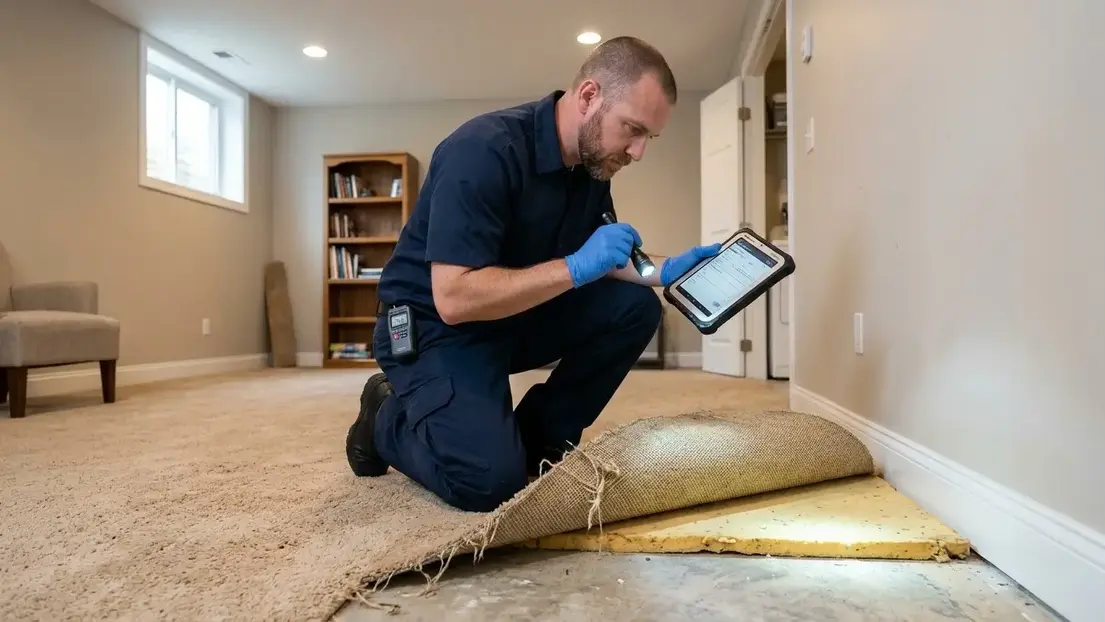
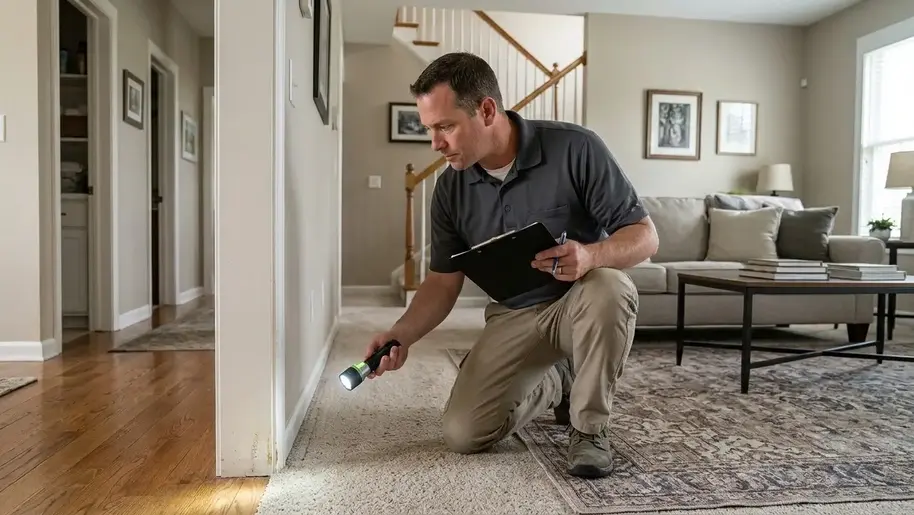
Professional odor remediation technician inspecting carpet, flooring, and affected materials inside a Kansas City residential basement

Identifying persistent indoor odors requires evaluating the suspected source, affected building materials, and surrounding areas before selecting an appropriate remediation approach.

How to Identify the Source of Persistent Odors in a Kansas City Property

Persistent indoor odors in Kansas City homes and commercial properties can originate from absorbed smoke residue, pet urine, sewage contamination, concealed moisture, or other affected building materials. The strongest smell is not always located where the odor originates. Odor-producing residue can remain in porous surfaces, flooring assemblies, wall openings, and connected air pathways. Identifying the original source helps determine whether a property needs targeted cleaning, contaminated material removal, moisture correction, or professional odor remediation.

The investigation should consider where the smell is strongest, when it occurs, and whether it changes with temperature, ventilation, humidity, or occupancy. These patterns can help narrow down the source, but the affected materials and property history should also be evaluated before selecting a treatment.

Identify Cigarette and Tobacco Odors

Stale cigarette odors that remain after cleaning may indicate accumulated smoke residue on walls, ceilings, doors, trim, cabinets, carpeting, and upholstery. Years of indoor smoking can leave nicotine and other smoke-related deposits on surfaces and within porous materials. Rental turnovers and previously occupied homes may require detailed surface cleaning and treatment or replacement of materials that retain persistent odors.

Locate Pet Urine and Recurring Animal Odors

Pet urine can penetrate carpet fibers, padding, floor seams, baseboards, and subflooring. Repeated accidents may leave contamination beneath flooring even when the visible surface appears clean. Odors that return during humid weather or after carpet cleaning may indicate deeper residue. Depending on the affected materials, remediation may require specialized cleaning, extraction, or removal of contaminated padding.

Investigate Musty Basement Odors

Musty or earthy smells in Kansas City basements may be associated with foundation seepage, plumbing leaks, previous flooding, condensation, or inadequately dried materials. Check carpeting, lower drywall, foundation walls, sump pump areas, and utility penetrations. A musty odor does not independently confirm mold, but recurring smells warrant investigation of moisture conditions and any materials that may have remained damp.

Trace Smoke and Fire Damage Odors

Smoke from a residential or commercial fire can affect rooms beyond the original burn area. Soot and smoke residue may remain on drywall, insulation, framing, cabinets, flooring, and contents. Smoke can also travel through hallways, stairwells, ceiling cavities, and connected spaces. Identifying the affected areas helps determine where professional surface cleaning, contents treatment, or material removal may be necessary.

Determine Whether Sewage or Wastewater Is the Source

Sewer-like odors may come from dry drain traps, plumbing defects, damaged connections, venting problems, or previous sewage backups. Contaminated wastewater can leave odor-producing residue in carpet, padding, baseboards, drywall, and insulation after standing water is removed. Recurring smells near basement drains, laundry areas, bathrooms, or utility rooms should be evaluated for both plumbing problems and affected building materials.

Investigate Odors That Travel Between Rooms

An odor that appears in multiple rooms or becomes stronger when the HVAC system operates may involve connected air pathways. Return-air openings, supply registers, wall penetrations, stairwells, and adjoining spaces can influence odor movement. However, a smell near a vent does not automatically mean the ductwork is the source. Nearby contaminated surfaces or contents should also be considered before recommending treatment.

Recognize Changes With Temperature and Humidity

Absorbed odors can become more noticeable as indoor temperatures and humidity levels change. Pet urine, tobacco residue, and certain organic contaminants may produce stronger smells in warmer or more humid conditions. Kansas City summers can make previously subtle odors more apparent in basements and enclosed rooms. Recurring smells should prompt an assessment of both absorbed contamination and possible moisture problems.

Check Carpet, Padding, and Subflooring

Persistent smells near carpet edges, flooring transitions, and baseboards may indicate contamination below the visible surface. Pet urine, sewage, and other liquids can penetrate carpet padding and underlying materials. Previous carpet cleaning may improve appearance without removing deeper residue. Evaluating the flooring assembly helps determine whether extraction, specialized cleaning, or material removal is appropriate.

Inspect Walls and Utility Openings

Odors concentrated near lower drywall, wall-floor joints, cabinets, plumbing penetrations, and utility openings may indicate concealed contamination. Previous leaks, sewage releases, and repeated pet accidents can affect materials behind or beneath visible finishes. This is particularly relevant after basement flooding or plumbing incidents, when the exposed surfaces may appear clean but concealed components still require evaluation.

Identify Odors That Return After Cleaning

When an odor disappears temporarily and then returns, the original source may not have been fully addressed. Remaining residue, inaccessible porous materials, recurring moisture, or an unresolved plumbing issue can contribute to repeated smells. Air fresheners and temporary deodorizing treatments may reduce the odor without correcting the underlying problem. The timing of its return can help guide further investigation.

Review Previous Property Damage and Occupancy

Previous flooding, plumbing repairs, indoor smoking, pet occupancy, and fire damage can provide important clues. Reviewing maintenance records, restoration reports, and previous cleaning work may help identify recurring problems. This history is especially useful in older Kansas City homes, rental properties, multifamily buildings, and commercial spaces where previous damage may have been concealed by repairs.

Account for Kansas City Rainfall and Basement Moisture

Heavy rainfall and drainage problems can contribute to basement moisture in Kansas City, Independence, Blue Springs, and Lee's Summit. Water may enter around foundation walls, basement windows, and other below-grade openings, leaving carpeting and building materials damp. When investigating recurring musty odors, consider previous flooding, foundation seepage, sump pump problems, and unresolved water intrusion.

Consider Seasonal Heating and Ventilation

During colder Kansas City months, buildings are often kept closed while heating systems operate more frequently. Reduced outdoor air exchange can make existing indoor odors more noticeable. Changes in temperature and air circulation may also reveal smells that were less apparent during warmer months. Investigating seasonal odor problems should include both the original source and the building's ventilation conditions.

Evaluate Rental and Commercial Properties

Apartment turnovers, rental homes, offices, and retail spaces may retain odors from previous occupants, smoking, pets, food preparation, or wastewater incidents. Shared ventilation and connected tenant spaces can complicate source identification. Property managers should consider occupancy history, maintenance records, and the condition of shared and individual building components when determining the appropriate remediation scope.

Distinguish Odor Removal From Temporary Masking

Air fresheners, fragrance sprays, and scented cleaning products may make an unpleasant smell less noticeable without removing the residue or contamination causing it. Effective odor remediation focuses on the source through appropriate surface cleaning, extraction, contaminated material removal, or moisture correction. Repeatedly masking an odor without addressing its cause can allow the smell to return.

Compare Odor Patterns Across the Affected Property

Comparing rooms, flooring types, wall locations, and nearby utility areas can help narrow down where an odor originates. Note whether the smell is localized, strongest near a specific material, or present throughout the building. Changes after rainfall, cleaning, HVAC operation, or periods of vacancy can provide additional clues. These observations help guide a more focused inspection instead of treating every room as though it has the same odor source.

When should you arrange a professional odor assessment? Consider professional evaluation when an indoor odor persists despite routine cleaning, returns after deodorizing, spreads between rooms, or appears to originate from carpeting, walls, subflooring, or concealed materials. Properties affected by sewage backups, fire damage, unattended deaths, or significant moisture problems may require specialized remediation rather than ordinary household cleaning.

An assessment can help determine whether the property needs targeted odor removal, contaminated material removal, moisture correction, or a broader restoration scope. The goal is to address the original source and affected materials rather than simply covering up the smell.

If an odor may indicate a natural gas leak, fuel release, chemical exposure, or another immediate hazard, leave the affected area and contact emergency services or the appropriate utility provider. Do not attempt to investigate or deodorize a potentially hazardous release yourself.

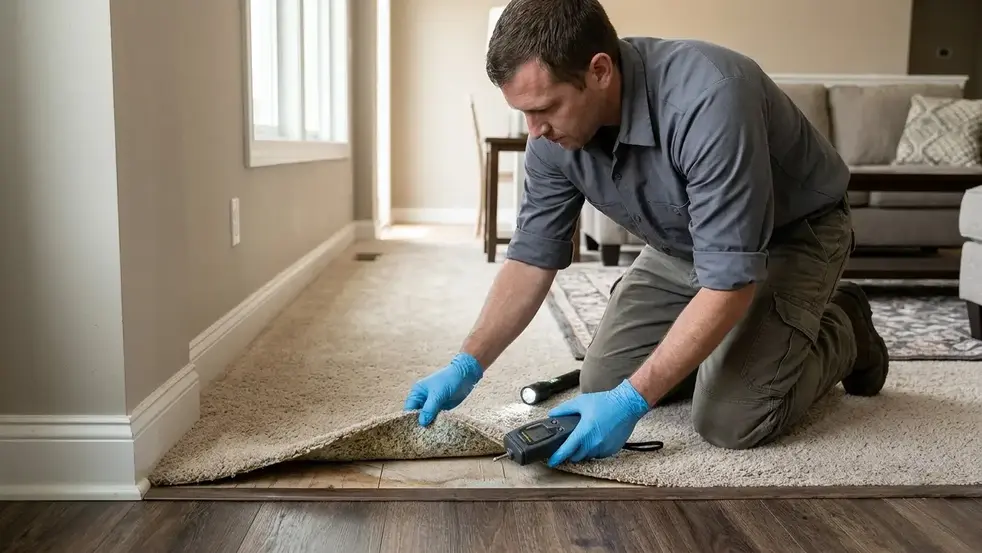
Restoration technician investigating a suspected odor source near residential flooring and baseboards inside a Kansas City home

Identifying persistent indoor odors requires evaluating affected surfaces, flooring assemblies, moisture conditions, and nearby building materials to locate the source before selecting an appropriate remediation method.

How Persistent Odors Become Trapped in Flooring, Walls, and Building Materials

Persistent indoor odors become more difficult to remove when odor-producing substances penetrate beyond exposed surfaces and remain inside porous building materials. Carpet padding, subflooring, drywall, insulation, upholstery, unfinished wood, and other components can retain smoke residue, pet urine, sewage contamination, and moisture-related odors. Effective odor remediation in Kansas City requires identifying which materials are affected, how deeply the substance has penetrated, and whether appropriate cleaning or treatment can restore the material.

Different contaminants interact with building materials in different ways. Smoke residue may coat surfaces and settle into porous contents, while liquid contamination can migrate through flooring seams and beneath finished surfaces. Moisture-related odors may persist when damp materials are not properly dried or an ongoing water source remains. These differences matter when planning smoke odor removal, pet urine remediation, sewage cleanup, and post-water-damage restoration in Kansas City homes and commercial properties.

Carpet Fibers and Carpet Padding

Carpet fibers can retain tobacco smoke, pet odors, spilled liquids, and other residue. Padding beneath the carpet may absorb liquids that pass through the backing, creating a deeper odor source. When smells return after carpet cleaning, the padding and underlying flooring may need evaluation rather than another surface treatment. Saturated or heavily affected padding may require removal and replacement.

Hardwood, Laminate, and Subflooring

Pet urine and other liquids can enter flooring seams, joints, unfinished edges, and gaps around transitions. Contamination may reach plywood or other subfloor materials beneath the finished floor. Hardwood finishes, laminate construction, moisture exposure, and the condition of the subfloor all influence whether cleaning, localized repairs, or material replacement is appropriate.

Drywall and Painted Wall Surfaces

Tobacco film, smoke residue, and other odor-producing substances can accumulate on painted drywall and interior wall surfaces. Some surface deposits may be addressed with suitable cleaning methods, but porous or damaged drywall can retain contamination beyond the exposed finish. The affected area, residue type, and condition of the wall help determine whether cleaning, sealing as part of an appropriate restoration system, or selective drywall removal is warranted.

Upholstery and Fabric-Covered Furniture

Sofas, chairs, mattresses, curtains, and fabric-covered furniture can absorb smoke, pet odors, and airborne residue. Odors may remain in cushions, padding, fabric layers, and other internal components. Treatment depends on the upholstery material, construction, exposure, and manufacturer limitations. Some contents can be professionally cleaned, while severely affected items may not be suitable for restoration.

Cabinets, Doors, Trim, and Built-In Features

Smoke residue and household contaminants can accumulate on cabinet interiors, drawer surfaces, doors, baseboards, window trim, and built-in shelving. These detailed areas are often missed during routine room cleaning. Residue left on concealed cabinet surfaces, hinges, and trim joints can continue contributing to indoor odors even after larger exposed surfaces have been cleaned.

Insulation and Concealed Wall Assemblies

Smoke, liquid contamination, and moisture can affect insulation and other materials inside wall and ceiling cavities. Odors that persist after exposed surfaces have been addressed may warrant further investigation of concealed assemblies. Opening walls or ceilings should be based on evidence of affected materials, the suspected source, and an appropriate inspection plan rather than assuming every hidden space needs removal.

Unfinished Wood and Exposed Framing

Unfinished wood, framing, and exposed structural surfaces can retain smoke residue and may be affected by liquid contamination. Porous wood surfaces can be more difficult to clean than sealed finishes, particularly when residue has entered cracks, joints, or rough surfaces. Appropriate treatment depends on the contaminant, exposure, and condition of the wood. Structural deterioration or contamination that cannot be adequately addressed may require additional restoration work.

Concrete Floors and Foundation Surfaces

Concrete basement floors and foundation surfaces can retain residue in pores, cracks, joints, and unfinished areas. Previous sewage backups, spills, and moisture problems may leave persistent odors even after visible liquid is removed. Surface condition, contamination type, and the presence of coatings or sealers influence the appropriate cleaning approach. Recurring musty smells also warrant checking for ongoing moisture rather than relying on deodorization alone.

Tile Grout and Flooring Transitions

Grout lines, floor joints, expansion gaps, and transitions between flooring types can collect residue and allow liquids to reach underlying materials. A tile surface may appear clean while odor-producing contamination remains in grout or beneath loose, cracked, or damaged sections. Evaluation should distinguish between residue on the finished surface and contamination within the flooring assembly.

Mattresses, Bedding, and Household Contents

Mattresses, bedding, rugs, stored clothing, and other household contents can absorb smoke and odor-producing substances. Pet accidents and liquid spills may also affect internal layers that are difficult to clean thoroughly. Contents assessment helps determine which items are suitable for specialized cleaning, which need additional treatment, and which may be impractical to restore because of their condition or the extent of contamination.

HVAC Components and Air Distribution Areas

Smoke particles, dust, and other residue may accumulate on HVAC filters, accessible equipment surfaces, and components within an air distribution system. Air movement can also carry odors from affected rooms into other parts of a building. A smell near a supply register does not automatically establish that ductwork is contaminated. The original source, filter condition, equipment, and affected air pathways should be evaluated before recommending HVAC cleaning or related treatment.

Ceiling Materials and Overhead Surfaces

Smoke residue can settle on ceilings, ceiling tiles, light fixtures, upper walls, and overhead structural surfaces. These areas may be overlooked when cleaning focuses mainly on floors and furniture. Water intrusion can also affect ceiling materials and insulation above finished spaces. The appropriate response depends on whether the odor comes from surface residue, moisture damage, or affected materials inside the ceiling assembly.

Storage Areas, Closets, and Stored Belongings

Closets, storage rooms, basements, and packed belongings can retain odors when air circulation is limited or contents have been exposed to smoke, moisture, or contamination. Cardboard boxes, fabrics, paper products, and stored furniture may absorb surrounding odors. Evaluating stored items alongside the room itself helps determine whether the source is the building materials, the contents, or a combination of both.

Bathroom and Laundry Room Materials

Bathrooms, laundry rooms, and utility spaces can retain odors after plumbing leaks, drain problems, sewage backups, or appliance overflows. Flooring edges, cabinet bases, drywall, and materials around plumbing connections may be affected even when the visible floor has been cleaned. Persistent odors in these rooms should be evaluated for both plumbing or drainage problems and contamination within surrounding building materials.

Subfloor Cavities and Hidden Flooring Layers

Odor-producing liquids can travel through carpet padding, flooring joints, and gaps around pipes before reaching concealed layers. In some properties, the smell may persist even after the visible flooring has been cleaned or replaced. Evaluating the subfloor and accessible cavities can help identify whether contamination remains below the finished floor. Removal should be limited to materials that are affected and cannot be adequately restored in place.

Shared Walls and Multifamily Building Components

Apartments, condominiums, and commercial buildings may have shared walls, floor assemblies, utility penetrations, and connected ventilation pathways. Smoke and other indoor odors can move between spaces under certain conditions, while contamination may remain within individual units or shared building components. Property managers should consider adjacent spaces, maintenance history, and building layout when investigating recurring odors during tenant turnover or restoration.

When Is Cleaning Enough and When Is Material Removal Necessary?

Not every material that has absorbed an odor needs to be removed. The decision depends on the type of contamination, material condition, depth of penetration, and whether a suitable cleaning or treatment method can adequately address the source. A washable hard surface with light smoke residue presents a different restoration decision from carpet padding saturated with pet urine or porous materials affected by contaminated wastewater.

  • Cleaning may be appropriate: When the surface is accessible, remains in serviceable condition, and can be cleaned using a method suitable for the material and contaminant.
  • Additional treatment may be necessary: When residue remains after initial cleaning or contamination has affected more than the exposed surface.
  • Removal may be necessary: When a material is saturated, deteriorated, heavily contaminated, or cannot be adequately cleaned or treated in place.
  • Replacement may follow remediation: When removed drywall, flooring, insulation, padding, or other building components need to be replaced after the contamination has been addressed.

This distinction is important for whole-home tobacco odor removal, recurring pet urine smells, sewage contamination, and basement odors following water intrusion. Replacing every material without evaluating its condition can create unnecessary expense. However, relying on surface deodorizing when contamination remains beneath the flooring or inside porous materials can allow odors to return.

Why Kansas City Properties May Need Material Specific Odor Remediation

Local building conditions and property history can influence where persistent odors develop. Older Kansas City homes may have multiple layers of flooring, finished basement walls, older plumbing connections, or previously repaired water-damage areas. Properties in Independence, Gladstone, Blue Springs, Raytown, Overland Park, and Lee's Summit may also have different basement layouts, foundation conditions, and drainage characteristics. After heavy rainfall, plumbing failures, or sewage backups, affected materials should be evaluated for both odor-producing residue and moisture conditions.

For rental homes, apartment buildings, and commercial properties, the scope may also include contents, shared spaces, previous tenant damage, and materials affected during earlier restoration work. A material-by-material assessment helps establish which surfaces can be cleaned, which require specialized treatment, and which need removal. This supports a more targeted approach to professional odor removal in the Kansas City metro rather than applying the same deodorizing method throughout the property.

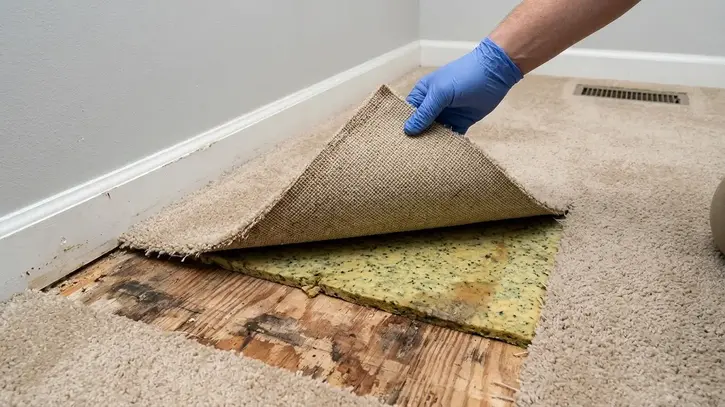
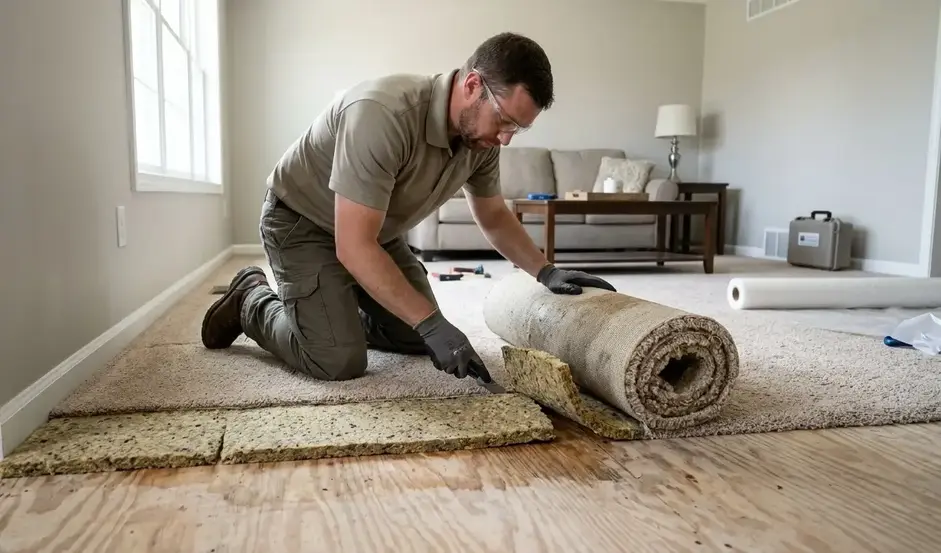
Exposed carpet padding and residential subfloor during professional odor remediation and flooring material assessment

Odor producing liquids can penetrate carpet fibers and padding, reach subflooring, and affect materials beneath finished flooring that may not be addressed through ordinary surface cleaning.

Persistent Odors Trapped in Flooring, Walls, or Building Materials?

Smoke residue, pet urine, sewage contamination, and moisture-related odors can penetrate porous materials and remain beneath finished surfaces long after the original source is no longer visible. KC Water Damage Pros provides professional odor removal assistance for Kansas City properties, including evaluation of affected flooring, carpet padding, subflooring, drywall, and other building materials. Contact our team to discuss persistent indoor odors and determine whether targeted cleaning, specialized treatment, or removal of affected materials may be appropriate.

Call (816) 370-6439

Professional Odor Removal and Remediation Process in Kansas City, Missouri

Persistent indoor odors can develop when smoke residue, pet urine, sewage contamination, moisture-related materials, or other odor-producing substances remain inside a property. In Kansas City, these problems may affect older homes, finished basements, rental properties, apartments, offices, and commercial buildings. Effective odor remediation requires more than applying a deodorizer. The process may include reviewing the property's history, identifying the original odor source, evaluating affected contents and building materials, removing accessible contamination, correcting related moisture problems, and applying appropriate odor treatments. The work scope depends on the contaminant, the materials affected, the extent of exposure, and whether the underlying source has been corrected.

1. Odor History, Property Assessment, and Initial Inspection

The initial assessment reviews when the odor began, how often it occurs, which rooms are affected, and whether previous cleaning or restoration work has been performed. The property history may reveal previous indoor smoking, pet accidents, sewage backups, water intrusion, fire damage, plumbing leaks, or tenant-related contamination. An inspection considers accessible flooring, walls, ceilings, furnishings, cabinetry, utility areas, and other suspected locations. In Kansas City homes with finished basements, older flooring assemblies, or previous water damage, the assessment may need to consider materials beyond the room where the odor is most noticeable. These findings help establish an appropriate investigation and remediation scope.

2. Odor Source Identification and Affected-Area Mapping

Odor source identification involves determining where odor-producing substances may be located and how the smell moves through the property. Smoke residue may affect multiple rooms, while pet urine can penetrate carpet padding and subflooring. Sewage contamination may extend beyond the visible backup area, and moisture-related odors may originate from damp drywall, insulation, or basement materials. The inspection may consider flooring transitions, wall-floor joints, contents, adjoining rooms, HVAC pathways, and accessible concealed areas. Odor intensity and location provide useful clues, but they do not independently establish the full extent of contamination. Mapping suspected affected areas helps determine where further evaluation or treatment is appropriate.

3. Underlying Contamination and Building Material Evaluation

Before selecting an odor treatment, affected materials must be evaluated to determine whether the source can be cleaned or requires removal. Carpet, padding, hardwood, laminate, subflooring, drywall, insulation, upholstery, cabinets, and exposed framing can retain different types of residue. The appropriate response depends on the contaminant, material condition, depth of penetration, and restoration limitations. An active plumbing leak, unresolved sewage problem, or continuing water intrusion must also be addressed. Where necessary, related plumbing repairs, building repairs, or specialized contamination services may require a separate qualified provider. This step helps prevent deodorizing a property while the original problem remains unresolved.

4. Odor Source Removal, Contents Cleaning, and Surface Treatment

Once the affected areas have been identified, accessible odor-producing residue can be addressed using methods appropriate for the material and contaminant. Depending on the project, this may involve detailed cleaning of smoke-affected walls, ceilings, cabinets, and fixtures; specialized treatment of suitable furnishings; or removal of contaminated carpet padding and other materials that cannot be adequately restored. Contents handling may also be necessary when furniture, rugs, mattresses, clothing, or stored belongings contribute to the odor. For sewage-related or other contaminated materials, cleanup procedures must account for the contamination risk rather than relying on ordinary household cleaning methods.

5. Targeted Odor Treatment, Deodorization, and Moisture Correction

After source removal and appropriate cleaning, additional odor treatment may be selected according to the remaining odor, affected materials, and product limitations. Methods may include suitable deodorizing products or specialized equipment used under appropriate application, ventilation, and occupant-safety requirements. These treatments supplement source removal rather than replace it. When moisture contributes to a persistent musty smell, the water source must be corrected and affected materials evaluated for proper drying. This may require professional structural drying, moisture monitoring, or additional restoration work. Treatment selection should reflect the actual conditions instead of applying the same deodorizing method to every odor problem.

6. Post-Treatment Inspection, Odor Evaluation, and Documentation

Following treatment, the affected areas and remaining material conditions should be reviewed to evaluate the work performed and identify any outstanding concerns. The inspection may consider whether accessible residue has been addressed, whether moisture-related conditions have improved, and whether any suspected odor sources remain untreated. Findings, treatment limitations, material removal, and additional recommendations can be documented for the property owner or manager. If the odor persists or returns, further investigation may be necessary to identify concealed contamination, untreated contents, or an unresolved plumbing or moisture problem. Repairs and reconstruction can then be coordinated where building materials were removed.

Odor Source Removal, Deodorization, and Restoration Address Different Problems

Source removal addresses the residue, contamination, or affected material producing the odor. Cleaning removes accessible deposits from surfaces and suitable contents, while deodorization uses additional methods to address remaining odor. Moisture correction and structural drying address conditions that can contribute to recurring musty smells. Material removal and reconstruction may be necessary when affected components cannot be adequately restored. These activities are related, but they are not interchangeable. Applying deodorizer without addressing contaminated carpet padding, smoke residue, sewage-affected materials, or ongoing moisture may leave the original source in place.

The appropriate remediation sequence depends on the type of odor and the property's construction. Whole-home tobacco odor removal may involve detailed cleaning of walls, ceilings, cabinets, and contents. Pet urine remediation may require evaluating carpet padding and subflooring. Sewage-related odors may require specialized cleanup and removal of affected porous materials, while basement odors after water intrusion may require moisture correction and structural drying. No single deodorizing product, equipment setup, or treatment sequence is appropriate for every property.

Kansas City property owners and managers should also consider the layout and history of the affected building. Older homes, finished basements, multifamily properties, and commercial spaces may have concealed materials, connected rooms, and shared air pathways that complicate source identification. A clearly defined remediation scope helps distinguish cleaning, odor treatment, material removal, moisture correction, and repairs.

Explore our related services for sewage backup cleanup and contaminated material remediation, specialized biohazard cleanup and affected material removal, structural drying for moisture-affected walls, floors, and building materials, and moisture control and mold prevention after water damage.

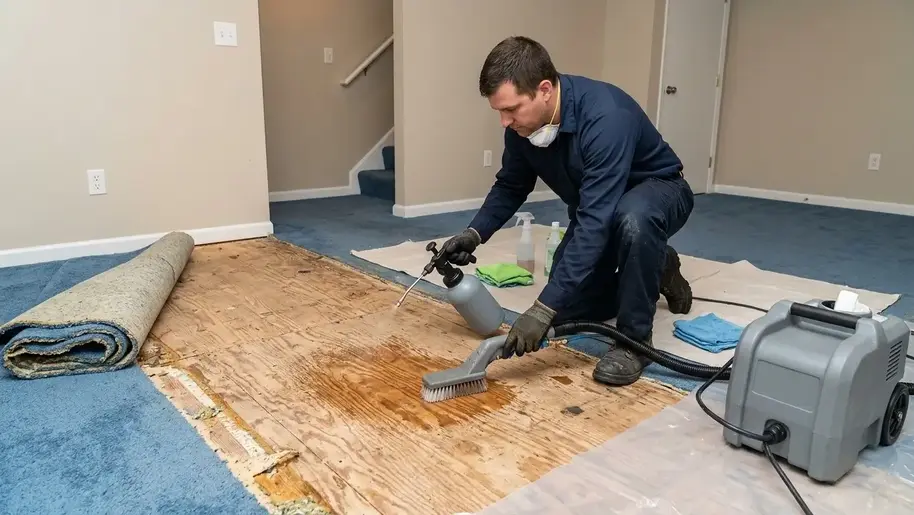
Restoration technician performing detailed cleaning of exposed residential basement subfloor after carpet padding removal

Odor remediation may involve specialized cleaning of affected surfaces, removal of contaminated porous materials, and evaluation of the underlying flooring before replacement or reconstruction.

Which Odor Removal Methods Are Appropriate for Different Contaminants?

Effective odor remediation depends on identifying what is producing the smell, where the residue or contamination is located, and which materials have been affected. A treatment appropriate for smoke residue may not resolve pet urine beneath flooring or a musty odor caused by continuing moisture. Professional odor removal in Kansas City should match the treatment method to the contaminant, building materials, exposure conditions, and applicable product safety requirements.

Source Removal and Detailed Surface Cleaning

Removing odor-producing residue is a central part of many remediation projects. Depending on the source, this may involve cleaning walls, ceilings, floors, fixtures, cabinets, and other affected surfaces. Cleaning methods must account for the contaminant and material type so residue is not spread into unaffected areas or driven deeper into porous finishes.

Airborne Odor Treatment and Filtration

Certain specialized treatments and filtration equipment can help address airborne particles or odors during remediation. Appropriate air filtration may be useful when cleaning, demolition, or residue removal could disturb contaminants. However, treating indoor air does not remove odor-producing deposits embedded in carpet, drywall, insulation, or other building materials.

Thermal Fogging for Selected Odor Conditions

Thermal fogging disperses a compatible deodorizing product as a fine aerosol and may be considered for certain smoke-related odor situations. Its suitability depends on the product, affected materials, room conditions, and treatment instructions. Fogging does not replace soot removal, detailed cleaning, or removal of materials that remain contaminated.

Contents Cleaning and Deodorization

Furniture, clothing, upholstery, bedding, and personal belongings may retain smoke, pet, or other persistent odors. Contents should be evaluated separately because fabric, construction, finish, and exposure affect which cleaning methods are appropriate. Some items can be restored through suitable cleaning, while heavily affected or damaged contents may require replacement.

Removal of Contaminated Porous Materials

Surface cleaning may not reach odor-producing contamination inside saturated carpet padding, damaged insulation, or heavily affected porous materials. When cleaning cannot adequately address the contamination, controlled removal may be necessary. Disposal and handling should reflect the material's condition and the type of contaminant involved.

Moisture Correction and Structural Drying

Musty odors associated with damp building materials require attention to the moisture source. This may involve identifying plumbing leaks, basement seepage, roof intrusion, or other water entry, followed by appropriate material evaluation and drying. Structural drying helps address excess moisture but does not replace necessary cleaning or remediation of affected materials.

Enzyme-Based Treatment for Organic Residue

Certain enzyme-based products are formulated to help break down specific organic residues associated with pet accidents and other biological soils. Product selection must match the contaminant and surface, and the treatment must reach the affected area to be useful. Applying a product only to the visible carpet surface may not address urine that has reached the padding or subfloor.

Smoke and Soot Residue Cleaning

Smoke odors can remain in a property because fine residue deposits on walls, ceilings, fixtures, contents, and concealed surfaces. Appropriate remediation may involve dry cleaning methods, specialized surface cleaning, contents treatment, and selective material removal. The cleaning approach depends on the type of smoke residue and the surface being treated.

Odor-Sealing Treatments for Suitable Surfaces

In some cases, a compatible odor-blocking coating may be considered after the underlying surface has been properly cleaned and prepared. This can be relevant to certain smoke affected or previously contaminated building components. Sealers should not be used to conceal active moisture, untreated contamination, or materials that should be removed.

HVAC and Ventilation System Cleaning

Odors may circulate through return-air pathways, ductwork, filters, or HVAC components when contamination is present within the system. Evaluation may include checking filters, accessible components, and areas where residue or moisture has accumulated. HVAC cleaning should be based on the identified condition rather than assuming that every persistent indoor odor originates in the ductwork.

Sewage and Wastewater Contamination Cleanup

Sewage odors require more than fragrance-based deodorization. Wastewater can leave contaminated residue on flooring, baseboards, furnishings, and other materials. Appropriate cleanup may involve containment, removal of affected porous materials, cleaning and disinfection with suitable products, and addressing the backup source. See our Kansas City sewage cleanup services for related contamination concerns.

Targeted Chemical Deodorization

Professional deodorizing products may be used for specific odor conditions when their intended application matches the contaminant and affected material. Some products neutralize or alter odor compounds, while others are designed for particular surface or contents applications. Correct dilution, contact time, ventilation, compatibility, and label instructions are important to safe and effective use.

Important Safety Considerations for Ozone and Other Specialized Treatments

Ozone treatment is sometimes promoted as a solution for persistent indoor odors, but ozone is a respiratory irritant that can harm people and animals. Ozone-generating equipment should not be operated in occupied spaces. Any specialized application requires appropriate access restrictions, exposure controls, and compliance with applicable safety requirements and manufacturer instructions. It should never be treated as a routine substitute for removing contamination and cleaning affected materials.

Chemical deodorizing products, disinfectants, and other treatment agents also require careful selection and use. Products should be appropriate for the intended surface and contaminant, applied according to their labels, and never mixed unless the manufacturer specifically permits it. Stronger fragrance or a more aggressive treatment does not necessarily produce better results. The goal is to address the actual odor source while protecting occupants, workers, contents, and building materials.

For properties in Kansas City, Independence, Overland Park, Lee's Summit, Blue Springs, and surrounding communities, the appropriate method may vary with the property's age, basement construction, ventilation, moisture history, and affected materials. A source-based assessment helps determine whether cleaning, contents treatment, targeted deodorization, moisture correction, or selective material removal is warranted.

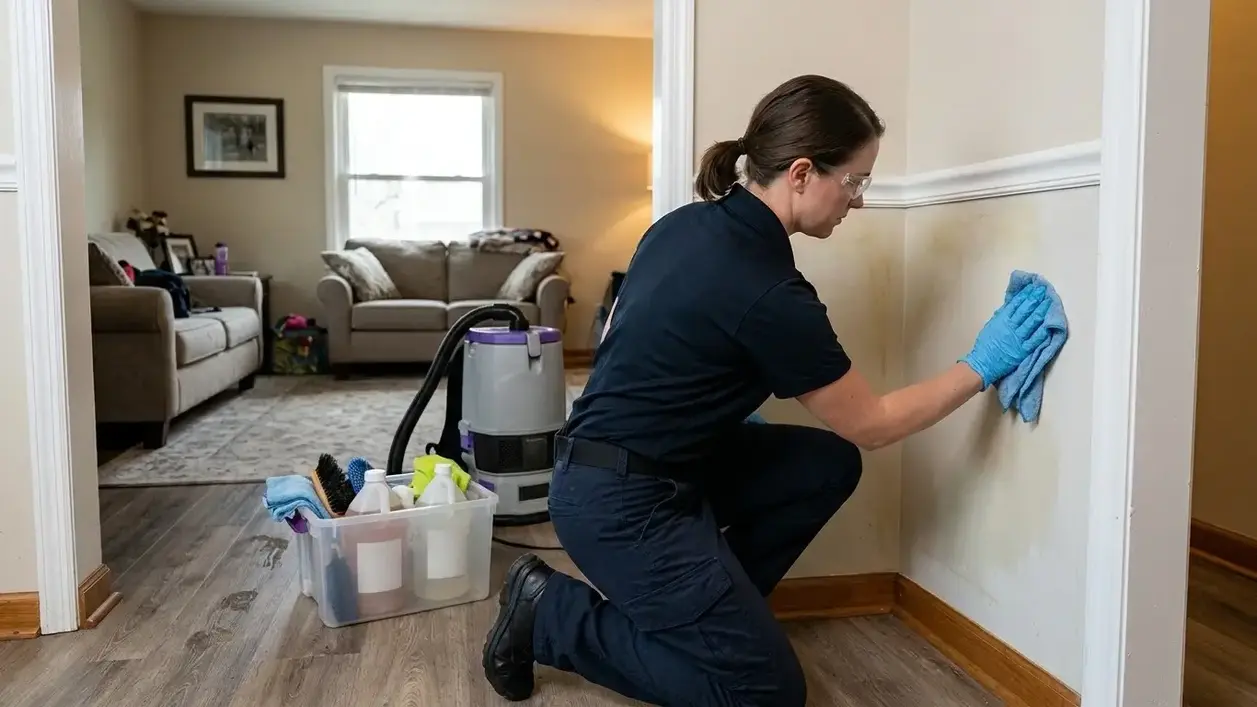
Professional restoration technician cleaning odor-affected surfaces inside a Kansas City residential property

Effective odor remediation begins with identifying and removing odor-producing residue from affected surfaces, contents, and building materials before selecting appropriate deodorizing treatments.

Why Do Odors Return After Cleaning or Professional Deodorizing?

A temporary improvement does not always mean the odor source has been eliminated. When an unpleasant smell returns days, weeks, or even months after cleaning, contamination may still be present inside porous materials, an affected area may have been overlooked, or the condition causing the odor may still be active. Persistent indoor odors can originate from contaminated carpet padding, smoke residue, moisture-damaged building materials, sewage contamination, affected furnishings, or concealed areas that were not included in the original cleaning scope. Understanding why an odor returned helps determine whether additional cleaning, targeted deodorization, material removal, moisture correction, or a different remediation approach is necessary.

Common Reasons Persistent Odors Come Back

  • The contamination remains beneath the carpet or flooring.
    Pet urine, spilled liquids, sewage residues, and other odor-producing substances can penetrate carpet fibers and travel into carpet backing, padding, seams, tack strips, underlayment, and the subfloor. Cleaning the visible carpet may leave the underlying source untouched. Odors can become noticeable again when humidity rises, temperatures change, or the affected flooring is disturbed. Urine deposits, for example, can remain in carpet padding and underlying materials even after the carpet surface has been treated. Depending on the extent of contamination, affected padding may require removal, while salvageable surfaces may need appropriate cleaning and treatment. Wood subfloors and other porous materials should also be evaluated before determining whether additional remediation is necessary.
  • Smoke residue remains on untreated surfaces and furnishings.
    Tobacco smoke and fire-related residue can accumulate on ceilings, walls, trim, cabinets, fixtures, window coverings, upholstery, insulation, and other exposed or concealed surfaces. Smoke particles and odor-producing residues may also penetrate porous materials and remain after the surrounding air has been treated. Cleaning only the most visible surfaces, running an air purifier, or applying fragrance may produce temporary improvement without addressing the full extent of contamination. Persistent smoke odors may require a more complete evaluation of affected rooms, contents, surface finishes, and porous building materials. The appropriate cleaning, sealing, or removal method depends on the material and severity of the smoke exposure.
  • Moisture is still present or continues to enter the property.
    Damp carpet, concealed plumbing leaks, wet insulation, basement seepage, and moisture-affected building materials can continue contributing to musty or unpleasant smells. Deodorizing does not correct an active water problem or remove moisture trapped inside a wall, floor assembly, or other concealed space. In Kansas City properties, basement seepage, foundation moisture intrusion, plumbing leaks, and water entering through poorly drained areas can all warrant investigation when odors repeatedly return. Seasonal humidity and inadequate ventilation may also contribute to persistent damp conditions. The moisture source and condition of affected materials should be evaluated, with appropriate structural drying performed when necessary. Where moisture intrusion continues, the underlying water entry problem must also be addressed.
  • An adjoining area or concealed building cavity was overlooked.
    Odor-producing materials may extend beneath flooring, behind baseboards, into closets, inside cabinets, under stairs, or into connected rooms. Contamination can also affect wall cavities, insulation, subfloor assemblies, framing, and other areas that are not immediately visible. A smell that appears to originate in one room may actually be traveling from another part of the property through shared openings, wall penetrations, or air movement. This can occur in finished basements, older Kansas City homes, multi-level properties, and buildings with interconnected utility spaces. Treating only the most noticeable location can leave the original source untouched. A broader inspection of adjoining areas may be necessary when the odor persists despite cleaning the initially affected room.
  • The HVAC system or an air pathway remains involved.
    Odors may continue circulating when smoke residue, dust, moisture, or other contaminants are present near return-air openings, filters, ductwork, or HVAC components. Air movement can also carry odors between rooms through shared ventilation pathways, open utility penetrations, and pressure differences. A smell that becomes stronger when the heating or cooling system operates may indicate that the ventilation system or an associated air pathway warrants investigation. However, odor changes during HVAC operation do not automatically establish that ductwork is contaminated. The system may need separate evaluation by an appropriate HVAC professional. Repeatedly deodorizing individual rooms will not resolve contamination within an affected system or an ongoing air pathway.
  • The treatment masked the odor instead of addressing its source.
    Fragrances, air fresheners, and some deodorizing applications can make an odor less noticeable temporarily without removing the residue or contamination producing it. Once the fragrance fades, the original smell may become noticeable again. Similarly, applying a stronger product does not necessarily improve results when the source remains embedded in carpet, upholstery, drywall, wood, or other affected materials. Effective odor remediation depends on identifying the contaminant, selecting a compatible treatment, and addressing the affected materials rather than relying exclusively on products designed to cover unpleasant smells.
  • Organic or biological contamination remains in porous materials.
    Blood, bodily fluids, animal waste, decomposing organic matter, and other biological contaminants can produce persistent odors when affected materials have not been properly addressed. Contamination may extend beyond the visible surface into carpet padding, upholstery, flooring seams, subfloors, and other absorbent materials. Ordinary household cleaning or fragrance-based deodorizing may not be appropriate for these conditions. Depending on the incident and affected materials, professional biohazard cleanup may be necessary to evaluate contamination, remove affected materials when appropriate, and perform compatible cleaning and treatment. The scope should account for both the visible incident area and any materials that may have absorbed biological contaminants.
  • Sewage contamination was not completely removed.
    Sewage backups and drain overflows can leave odor-producing residues on flooring, baseboards, drywall, furnishings, and other materials contacted by contaminated water. Even after standing water is removed, contaminated materials may remain beneath flooring or inside concealed spaces. Surface cleaning alone may not be sufficient when sewage has penetrated porous building materials. In these situations, the affected area needs to be evaluated according to the contamination category, exposure, and material condition. Appropriate sewage cleanup may include controlled removal of unsalvageable materials, cleaning of remaining surfaces, and appropriate drying. If a sewer-related odor returns after restoration, the original cleanup scope and any continuing plumbing or drainage problem should be reassessed.
  • Furniture, upholstery, or personal contents were not fully addressed.
    Odors can remain in mattresses, upholstered furniture, curtains, clothing, stored belongings, and other porous contents even after the surrounding room has been cleaned. Smoke exposure, pet accidents, sewage incidents, and other contamination events can affect both building materials and personal property. Treating the floor, walls, and air while leaving contaminated contents untreated may allow odors to persist or return. Each affected item should be evaluated according to its material, exposure, and ability to be cleaned safely. Some belongings may be salvageable with appropriate contents cleaning, while others may require disposal when contamination cannot be adequately addressed.
  • Temperature and humidity changes make residual odors noticeable again.
    An odor that seems to disappear during dry or cool conditions may become noticeable when indoor humidity increases or temperatures rise. Moisture can influence odor release from certain contaminated materials, including carpet, wood, upholstery, and other porous surfaces. Seasonal changes in the Kansas City area, particularly humid summer conditions and periods of heavy rainfall, can make previously unnoticed musty or organic odors more apparent. A change in odor intensity does not necessarily mean new contamination has occurred. It may indicate that an existing source was never completely addressed or that moisture conditions are allowing the odor to become more noticeable.
  • The original inspection did not identify the complete source.
    Some odor problems involve multiple contributing sources rather than one isolated contaminated surface. For example, a property may have both smoke residue on exposed finishes and odor-affected furnishings, or moisture-damaged carpet and a concealed plumbing leak. If the original assessment focused only on the strongest smelling area, secondary sources may have been missed. A recurring odor should prompt a review of the original inspection findings, affected-material inventory, cleaning scope, and any areas that were inaccessible during the initial work. Additional evaluation may be needed before deciding whether another treatment, targeted removal, or repair is appropriate.
  • Identify where the odor is strongest.
    When a smell returns after cleaning, compare the affected room with adjoining rooms, closets, basement areas, utility spaces, and nearby flooring transitions. A noticeable difference between locations may help identify where additional inspection is warranted. Do not assume the strongest-smelling area is necessarily the original source, since odors can travel through building openings and shared air pathways.
  • Record when the odor becomes more noticeable.
    Note whether the smell returns after rain, during humid weather, when the HVAC system runs, after the property has been closed for several hours, or when certain rooms are occupied. These patterns can help distinguish possible moisture-related, ventilation-related, and material-related sources. Recording changes over time can also help restoration professionals compare current conditions with the original incident and cleaning timeline.
  • Review the previous cleaning and restoration scope.
    Determine which materials were cleaned, which were removed, what deodorizing methods were used, and whether adjoining or concealed areas were evaluated. Ask whether the original work addressed the source of contamination or primarily treated the noticeable odor. Reviewing previous moisture readings, photographs, material removal records, and treatment documentation may help identify areas that need additional attention.
  • Investigate continuing moisture or plumbing problems.
    If the odor is associated with dampness, basement seepage, a plumbing leak, or a sewer backup, the underlying condition should be evaluated. Depending on the source, this may involve a restoration professional, plumber, HVAC contractor, or other qualified specialist. Repeating an interior deodorizing treatment without correcting ongoing water intrusion or a plumbing problem is unlikely to resolve the underlying cause.
  • Avoid unsafe attempts to cover or eliminate the smell.
    Avoid repeatedly applying stronger fragrances, indiscriminately using disinfectants, or combining household cleaning chemicals. Mixing certain products can produce dangerous chemical reactions, while applying incompatible treatments may complicate subsequent remediation. If an odor is accompanied by a suspected gas leak, sewer gas exposure, or significant chemical fumes, leave the affected area and contact the appropriate emergency or utility service rather than attempting ordinary odor cleanup.
  • Determine when additional professional remediation is necessary.
    Recurring odors following a water event, sewage backup, fire, or biological contamination incident may indicate that affected materials or concealed areas were not fully addressed. Sewage-related odors may require appropriate sewage cleanup, while odors associated with blood, bodily fluids, or other biological contamination may require biohazard cleanup. Smoke-related odors may require specialized residue removal and evaluation of affected contents. The appropriate service depends on the original source, extent of contamination, and condition of the materials.
  • Evaluate musty odors and suspected microbial growth.
    A musty smell following water intrusion should not automatically be treated as a deodorizing problem. Moisture measurements, inspection of affected building materials, and evaluation of concealed spaces may be necessary to determine whether damp materials or microbial growth are contributing to the odor. Where mold is suspected, the affected conditions should be evaluated appropriately rather than relying on fragrance or routine surface cleaning. Appropriate structural drying and moisture-source correction are important when water damage is involved.
  • Evaluate smoke-affected materials individually.
    Cleaning methods that are appropriate for hard surfaces may not be suitable for porous contents, insulation, or other materials affected by fire or tobacco residue. The restoration scope should identify which materials can be cleaned, which require specialized treatment, and which cannot be reasonably restored. Applying sealants or deodorizing products before evaluating the remaining contamination can result in an incomplete remediation plan.
  • Consider Kansas City property conditions and adjoining spaces.
    For Kansas City homes and commercial properties, evaluating recurring odors may involve more than treating the room where the smell is most noticeable. Basement finishes, carpeted lower levels, attached garages, utility rooms, shared ventilation pathways, and areas affected by seasonal moisture conditions may all warrant consideration depending on the property's history and the original source. Properties in Kansas City, Overland Park, Independence, Lee's Summit, Liberty, Gladstone, and surrounding communities can have different construction types, drainage conditions, and moisture histories. The investigation should be guided by the actual property conditions rather than assuming the same odor source exists in every building.
  • Confirm that the identified odor source has been addressed.
    The completed work should explain what was producing the odor and how the identified source was cleaned, treated, isolated, repaired, or removed as appropriate. A successful remediation plan should address the underlying contamination rather than relying solely on whether a fragrance temporarily improves the room's smell.
  • Verify that affected materials have been evaluated.
    Carpet, padding, upholstery, drywall, insulation, wood, and other porous materials should be assessed according to their exposure and condition rather than assuming that every material can be restored through surface cleaning. Documentation should identify materials that were cleaned, treated, removed, or recommended for additional work.
  • Confirm that moisture-related conditions have been addressed.
    Where water intrusion contributed to the odor, the moisture source should be corrected and affected materials appropriately dried or removed. Moisture readings can help document drying progress, although they do not independently establish that every odor-producing contaminant has been eliminated. Any continuing plumbing, drainage, or building envelope problem should be addressed separately.
  • Review adjoining rooms and potential secondary sources.
    The final evaluation should account for adjoining spaces, affected contents, ventilation pathways, and other locations that may have contributed to the original odor. A room that smells clean immediately after treatment does not necessarily establish that connected areas or concealed materials have been adequately addressed.
  • Maintain documentation of the completed remediation.
    A clear record of inspected areas, cleaning methods, material removal, moisture conditions, and remaining recommendations helps property owners understand what was addressed and whether any separate repairs or specialist evaluations are still needed. This documentation can also help when communicating with property managers, insurance representatives, or contractors involved in subsequent repairs.

No single deodorizing treatment guarantees that an odor will never return, particularly when an underlying plumbing, moisture, ventilation, or building-material condition remains unresolved. A revised remediation plan should identify what may have been missed, distinguish between active moisture and residual contamination, and explain why the next proposed cleaning, treatment, or material removal step is appropriate. The objective is to address the condition producing the odor rather than temporarily making the smell less noticeable.

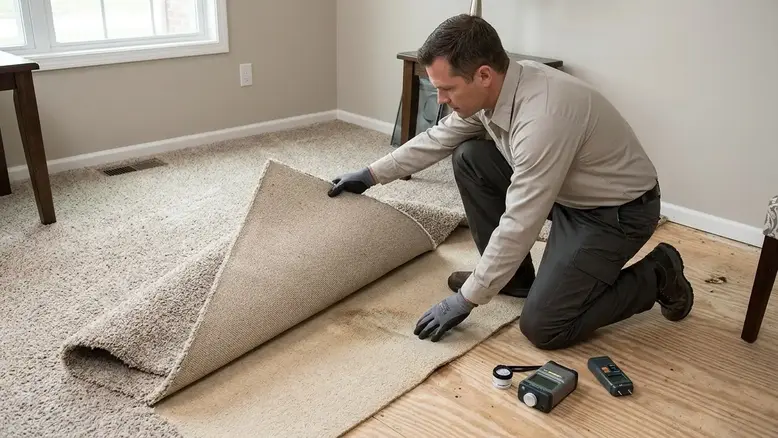
Restoration technician lifting carpet to inspect odor-contaminated padding and exposed subfloor during a residential odor remediation project in Kansas City

Odors can return when urine, smoke-related residues, moisture, or other contaminants remain beneath visible flooring. Inspecting carpet padding and underlying materials helps determine whether additional cleaning or material removal is necessary.

Do Odors Keep Returning After Cleaning or Deodorizing?

When unpleasant smells return days or weeks after cleaning, the original odor source may still be present in carpet padding, subflooring, furnishings, drywall, or other affected materials. KC Water Damage Pros provides professional odor removal assistance for Kansas City homes and commercial properties, including evaluation of persistent smoke odors, pet urine, sewage-related contamination, and moisture-related smells. Contact our team to discuss recurring odors and determine whether additional source identification, cleaning, targeted treatment, or removal of affected materials may be appropriate.

Call (816) 370-6439

Why Musty Basement Odors Can Persist in Kansas City Homes

A basement that smells musty after rain, during humid weather, or when the HVAC system starts operating may have a moisture problem that has not been fully identified. In the Kansas City area, changing outdoor temperatures, seasonal humidity, heavy rainfall, and below-grade construction can make it important to distinguish ordinary stale air from odors associated with damp materials, condensation, microbial growth, or water intrusion. Even when standing water is no longer visible, moisture trapped inside carpet padding, drywall, insulation, concrete-adjacent finishes, and stored belongings can contribute to persistent basement odors. Identifying the moisture source and evaluating affected materials are important before deciding whether cleaning, deodorization, material removal, or professional restoration is necessary.

Common Causes of Persistent Basement Odors

  • Rainwater intrusion and foundation seepage.
    Heavy rainfall can expose drainage problems around a foundation, allowing water to enter through basement windows, wall penetrations, foundation cracks, and floor-wall joints. In Kansas City and surrounding communities, properties with below-grade living spaces may experience recurring dampness when exterior grading, downspout discharge, or drainage systems do not move water away from the foundation effectively. Even minor seepage can affect carpet, baseboards, stored belongings, and lower wall materials. Look for water staining, peeling paint, efflorescence, damp concrete, and discoloration near exterior walls. Persistent water entry may require evaluation by a qualified drainage or foundation waterproofing contractor before interior odor remediation can be effective.
  • Foundation cracks and water entering through below-grade walls.
    Cracks, deteriorated masonry joints, failed window wells, and openings around utility penetrations can provide pathways for groundwater or surface water to enter a basement. Some moisture problems appear as isolated damp spots, while others affect larger sections of finished basement walls or flooring. Repeated wetting can damage interior finishes and leave odor-producing conditions behind even after visible water has dried. The location and pattern of moisture can help identify whether further foundation, drainage, or building-envelope evaluation is warranted.
  • Condensation on cool concrete, pipes, and basement surfaces.
    Humid indoor air can contribute to condensation when it contacts cooler basement surfaces, including concrete foundation walls, water pipes, ductwork, and inadequately insulated areas. This is particularly relevant during humid Kansas City summers when outdoor moisture enters through open doors, windows, or uncontrolled air leakage. Repeated condensation can dampen nearby flooring, stored materials, and finished surfaces. The source of excess humidity, surface temperatures, insulation conditions, and ventilation should be evaluated rather than relying on fragrance or surface deodorizing.
  • High indoor humidity and inadequate moisture control.
    Elevated basement humidity can make musty odors more noticeable and contribute to damp conditions affecting porous building materials. Finished basements, enclosed storage rooms, and areas with limited air circulation may be particularly susceptible when moisture is not adequately controlled. A properly sized and maintained dehumidifier may help manage indoor humidity, but it will not correct a plumbing leak, foundation seepage, or moisture trapped inside building assemblies. Humidity conditions should be evaluated alongside the condition of flooring, walls, furnishings, and other potentially affected materials.
  • Stored belongings, cardboard boxes, and porous contents.
    Cardboard boxes, fabric items, upholstered furniture, paper products, mattresses, and stored belongings can absorb moisture and retain musty odors. Items stored directly against basement walls or on concrete floors deserve particular attention after water intrusion. Even when the surrounding basement appears dry, moisture-affected contents may continue contributing to unpleasant smells. Stored belongings should be inspected individually, with contaminated or unsalvageable items separated from materials that can be appropriately cleaned and dried.
  • Previous basement flooding and incomplete water damage cleanup.
    A basement may look dry after a previous water event while odor-producing residue remains in carpet padding, lower drywall, insulation, wood framing, or stored contents. Water can travel beneath finished flooring and into concealed spaces that are not visible during an ordinary room inspection. Previous cleanup records, photographs, moisture readings, and the condition of affected materials can help determine whether additional restoration work is necessary. When water damage has affected porous materials, appropriate structural drying and material evaluation may be needed rather than another round of surface deodorizing.
  • Sump pump problems and recurring groundwater conditions.
    A malfunctioning sump pump, clogged discharge line, failed float switch, or inadequate drainage system can allow groundwater to accumulate around or beneath a basement. During periods of heavy rainfall, these conditions may contribute to recurring moisture problems and water intrusion. Check for signs of previous sump pump overflow, dampness around the sump basin, water staining, and unusual moisture near the basement floor. A qualified plumbing or drainage professional should evaluate suspected sump pump or groundwater management problems. Deodorizing affected materials without addressing recurring water accumulation will not resolve the underlying condition.
  • Basement floor drains, plumbing connections, and sewer odors.
    Odors near a basement floor drain, laundry area, utility room, or plumbing fixture may involve a plumbing condition rather than damp building materials. Dry drain traps can allow sewer gases to enter indoor spaces, while damaged connections, venting problems, or plumbing defects may also contribute to recurring odors. A licensed plumber should investigate persistent sewer-like smells rather than assuming they are ordinary musty basement odors. If a sewage backup or drain overflow has contaminated interior materials, specialized sewage cleanup may be necessary. Suspected gas or sewer gas hazards should be evaluated promptly, with occupants leaving the affected area if exposure is suspected.
  • Basement ventilation and HVAC-related air movement.
    Poor air circulation can make basement odors more noticeable, particularly in enclosed storage rooms, finished basement spaces, and utility areas. Odors may also move through return-air openings, ductwork, stairwells, and connected interior spaces. If a musty or unpleasant smell becomes stronger when the heating or cooling system operates, the ventilation system and surrounding air pathways may warrant further evaluation. However, changes in odor intensity do not automatically establish that HVAC ductwork is contaminated. Ventilation improvements may help with certain conditions, but they do not remove odor-producing contamination or correct an active moisture source.
  • Moisture trapped behind finished basement walls and flooring.
    Finished basements can conceal moisture problems behind drywall, paneling, insulation, carpet, laminate flooring, and other interior finishes. A wall or floor may appear normal on the surface while moisture remains inside the assembly. Odors may become more noticeable near baseboards, carpet edges, closets, or areas where flooring meets exterior foundation walls. When concealed moisture is suspected, inspection and appropriate moisture measurements may be necessary to determine whether materials need additional drying, selective removal, or further evaluation.
  • Microbial growth associated with persistent dampness.
    A persistent earthy or musty smell can occur in areas where moisture has supported microbial growth. Potential locations include damp drywall, carpet padding, insulation, wood framing, stored contents, and concealed spaces behind finished surfaces. Odor alone cannot confirm the presence or type of mold, and not every musty basement smell indicates microbial growth. However, recurring moisture and visible discoloration warrant appropriate investigation. Correcting the moisture condition and evaluating affected materials are more important than attempting to cover the smell with deodorizing products.
  • Seasonal temperature and humidity changes.
    Kansas City's changing weather can influence basement moisture conditions throughout the year. Humid summer air, heavy spring rainfall, colder winter temperatures, and seasonal temperature differences can affect condensation, indoor humidity, and the way existing odors become noticeable. A basement that smells relatively normal during dry weather may develop a stronger musty odor after prolonged rainfall or during periods of elevated humidity. Changes in odor intensity do not necessarily mean new contamination has occurred, but they can indicate that an existing moisture or material-related condition deserves further evaluation.

What Kansas City Homeowners Should Check Before Scheduling Odor Treatment

  • Inspect foundation walls and basement flooring.
    Look for water staining, peeling paint, damp baseboards, efflorescence, discoloration, and changes in flooring near foundation walls, basement windows, and floor-wall joints.
  • Check stored belongings and furnishings.
    Inspect cardboard boxes, rugs, furniture, clothing, and other stored contents for signs of dampness, visible damage, or persistent musty odors. Pay particular attention to items stored directly against exterior basement walls.
  • Pay attention to plumbing and drainage areas.
    Notice whether odors are strongest near floor drains, laundry connections, water heaters, sump pump basins, plumbing penetrations, and utility rooms. Persistent sewer-like odors warrant plumbing evaluation.
  • Look for patterns following rainfall.
    Record whether dampness or unpleasant smells become more noticeable after heavy rain, prolonged wet weather, or periods when groundwater conditions may change.
  • Monitor seasonal changes and HVAC operation.
    Document whether odors become stronger during humid periods, after the basement has been closed for several hours, or when heating and cooling equipment operates.
  • Do not assume a musty smell is simply a seasonal basement problem.
    Persistent moisture, concealed water intrusion, and damaged materials need to be evaluated. Dehumidification and improved air circulation may help manage certain conditions, but they are not substitutes for correcting the underlying moisture source.

When Basement Odors Require Professional Restoration

If moisture is contributing to the odor, the underlying condition should be addressed before deodorizing the affected space. Depending on the findings, the property may need a water damage assessment, moisture-source correction, affected-material removal, and appropriate structural drying. Where basement flooding has affected carpet, padding, drywall, insulation, or other porous materials, the restoration scope should identify which materials can be salvaged and which require removal. Odor treatment alone cannot resolve continuing water intrusion or establish that a potential mold problem has been addressed.

Basement odors associated with sewage backups, contaminated drain water, or wastewater overflows require a different response from ordinary moisture-related musty smells. Contaminated materials may require controlled removal, appropriate cleaning, and specialized sewage cleanup. Plumbing defects and recurring drain problems should also be corrected to prevent additional contamination.

For homeowners throughout Kansas City, including Overland Park, Independence, Lee's Summit, Liberty, Gladstone, Blue Springs, and surrounding communities, identifying why a basement odor persists is an important first step toward selecting the appropriate cleanup or restoration approach. The goal is to determine whether the smell originates from active moisture intrusion, previously damaged materials, concealed contamination, plumbing conditions, or another identifiable source before selecting an odor treatment.

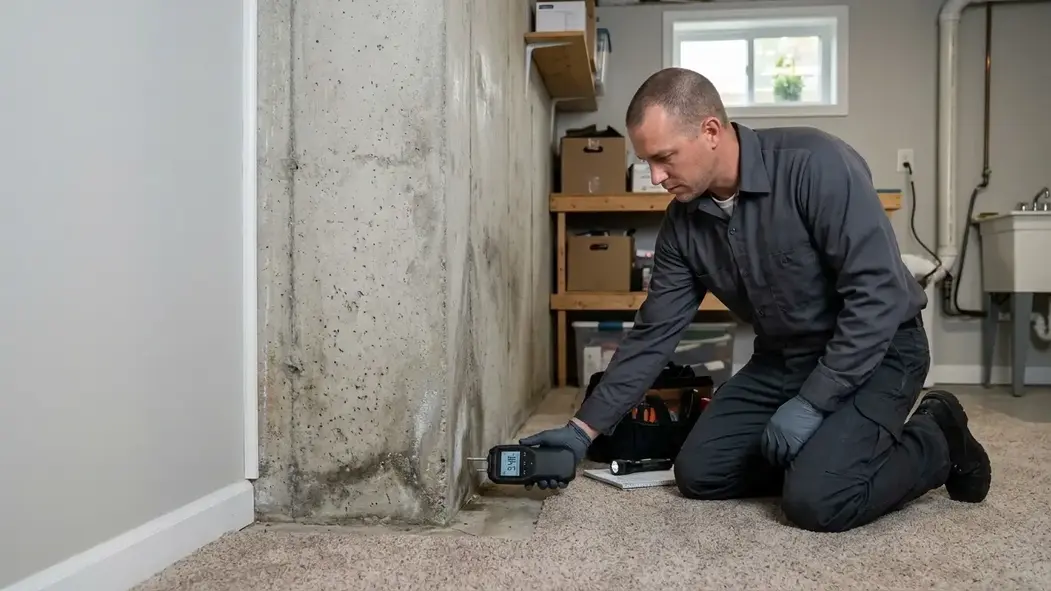
Restoration technician inspecting basement foundation wall and lower-level moisture intrusion in a Kansas City home

Basement odor investigations should account for foundation seepage, damp building materials, condensation, and concealed moisture that can continue affecting finished living spaces.

Whole-House and Commercial Odor Remediation in Kansas City

Persistent odors can affect more than one room or a single surface. Smoke, tobacco residue, pet urine, moisture, sewage, biological contamination, and other odor sources may affect flooring, furnishings, wall assemblies, stored belongings, and connected areas throughout a property. Whole-house and commercial odor remediation begins with identifying the source, determining how far the odor has traveled, and evaluating which materials require cleaning, treatment, or removal. The appropriate approach depends on the contamination involved, building construction, occupancy, and condition of the affected areas.

Long-Term Tobacco Smoke and Nicotine Odors

Years of indoor smoking can leave persistent odors and residue on walls, ceilings, trim, doors, cabinets, flooring, and furnishings. Nicotine and other smoke-related compounds may accumulate on surfaces and within porous materials, allowing odors to return after ordinary cleaning or repainting. Effective remediation requires evaluating the extent of residue, cleaning compatible surfaces, addressing affected contents, and determining whether certain materials require replacement or additional treatment.

Fire Damage and Smoke Odor Migration

Smoke odors can travel beyond the room where a fire originated. Depending on the fire, building layout, ventilation, and pressure differences, smoke residue may affect adjoining rooms, hallways, attic spaces, furnishings, and other interior surfaces. Whole-house smoke odor remediation should distinguish between visible fire damage, smoke residue, and areas affected primarily by odor migration. Cleaning methods and material removal should be based on the type and severity of the damage rather than treating every room identically.

Pet Urine and Persistent Animal Odors

Repeated pet accidents can leave urine residues in carpet, carpet padding, subfloors, baseboards, upholstery, and other porous materials. Surface cleaning may improve the smell temporarily without addressing contamination that has penetrated beneath the visible area. Remediation may require identifying affected locations, evaluating the depth of penetration, treating suitable materials, and removing components that cannot be adequately cleaned. Multiple rooms may need attention when pet odors have accumulated over time.

Apartments, Condos, and Multifamily Properties

Persistent odors in apartments and condominiums can affect individual units, shared hallways, common areas, or neighboring spaces. Property managers may encounter tobacco smoke, cooking odors, pet contamination, moisture-related smells, or odors remaining after a tenant moves out. Remediation planning should distinguish between contamination inside a specific unit and conditions involving shared plumbing, ventilation, or building materials. Access coordination and appropriate work scheduling are especially important in occupied multifamily properties throughout Kansas City and surrounding communities.

Office, Retail, and Commercial Building Odors

Commercial odor problems can affect offices, retail spaces, restaurants, storage areas, employee facilities, and customer environments. Persistent odors may originate from carpeting, furnishings, plumbing fixtures, floor drains, previous water damage, smoke exposure, or materials left behind by former occupants. A commercial odor remediation plan should consider the affected rooms, building operations, shared spaces, access requirements, and the need to limit unnecessary disruption to employees, tenants, customers, and visitors.

Cooking Grease, Food, and Kitchen Odors

Persistent cooking odors can develop when grease, food residue, and airborne particles accumulate on range hoods, filters, cabinets, walls, ceilings, appliances, and nearby furnishings. Commercial kitchens may also experience odors associated with floor drains, grease traps, waste storage, and inadequate exhaust maintenance. Cleaning should address the surfaces and components where residue has accumulated, while ventilation and plumbing conditions should be evaluated when they may contribute to the problem. Fragrance treatments alone will not remove embedded grease or correct an underlying maintenance issue.

Vacant, Inherited, and Recently Acquired Properties

Vacant homes, inherited properties, and recently purchased buildings may contain odors that were not apparent during an initial walkthrough. Closed-up interiors can retain smoke, pet, musty, sewage, or general stale-property odors, while accumulated belongings may conceal affected flooring and other materials. Before preparing a property for occupancy, renovation, or sale, the source should be investigated. Cleaning, contents removal, moisture correction, and material replacement may be needed depending on the findings.

Previous Flooding and Water Damage Odors

Water intrusion can leave persistent odors when wet materials were not dried properly or damaged components remain in place. Carpet padding, drywall, insulation, wood assemblies, cabinets, and stored contents may retain moisture or develop microbial growth under suitable conditions. A musty smell does not by itself establish the presence of mold, but it can indicate that moisture conditions deserve further investigation. Remediation should address the moisture source and affected materials rather than relying only on deodorizing treatments.

Biological Contamination and Unattended Incidents

Biological fluids, decomposing organic material, and other contamination can create persistent odors that ordinary household cleaning cannot reliably resolve. Odors may remain when affected materials, flooring, furnishings, or concealed surfaces have not been properly evaluated. Depending on the incident, cleanup may require specialized biohazard procedures, removal of contaminated porous materials, appropriate cleaning and disinfection, and careful handling of regulated waste. Odor treatment should follow source removal and necessary decontamination rather than substitute for them.

Sewage Backups and Plumbing-Related Odors

Sewer backups, leaking drains, plumbing failures, and contaminated wastewater can introduce strong odors into bathrooms, basements, utility rooms, and adjoining spaces. Porous materials exposed to sewage may require removal when they cannot be adequately cleaned and disinfected. Plumbing defects, dry drain traps, damaged seals, and other underlying conditions should also be evaluated when sewer-like odors persist. Deodorizing a room without correcting the source can allow the problem to return.

HVAC Systems and Connected Interior Spaces

Odors can move between rooms through ordinary air circulation, doorways, pressure differences, and connected building spaces. Heating and cooling equipment may also contribute when a specific component or nearby area is affected. However, an odor noticed near a vent does not automatically mean the entire duct system is contaminated. Evaluation should focus on the actual source, air pathways, accessible components, filters, returns, and any evidence supporting additional HVAC inspection or cleaning.

Furniture, Upholstery, and Stored Contents

Sofas, mattresses, upholstered chairs, curtains, clothing, rugs, and stored belongings can absorb or retain odor-causing residues. These items may continue affecting indoor air quality after walls and floors have been cleaned. Each item should be evaluated according to its material, condition, contamination type, and ability to be safely treated. Some belongings may be candidates for specialized cleaning, while heavily affected or unsuitable porous items may need to be discarded. Contents handling should also prevent transferring odors or contamination into unaffected areas.

Seasonal Humidity and Temperature-Related Odors

Kansas City's humid summers, seasonal rainfall, and changing indoor temperatures can make certain odor problems more noticeable. Moisture entering basements, condensation on cool surfaces, and inadequate humidity control can contribute to musty conditions. Warmer temperatures may also make some existing odors more noticeable as residues release compounds into the air. Seasonal changes can help identify patterns, but they do not establish the source. Moisture, plumbing, materials, and ventilation should be evaluated as appropriate.

Renovation, Property Turnover, and Pre-Sale Preparation

Odor remediation may be part of preparing a Kansas City home, rental unit, office, or commercial property for renovation, new occupants, or sale. Removing old carpeting, cleaning accumulated residue, addressing moisture damage, and evaluating previously concealed surfaces can reveal odor sources that were not visible before work began. Coordinating remediation with repairs and finish work helps avoid covering unresolved contamination with new flooring, paint, or other building materials.

Identifying the Original Odor Source

A whole-property odor assessment should look beyond the room where the smell is strongest. The source may be located in carpet padding, beneath flooring, behind baseboards, inside cabinets, around plumbing fixtures, or in materials affected by previous moisture or smoke exposure. Comparing odor intensity between rooms, reviewing the property's history, and inspecting likely source materials can help establish a practical scope of work. Stronger odor in one location does not always identify where the problem began.

Room-by-Room Remediation Planning

Larger homes and commercial properties benefit from a documented room-by-room assessment. The scope should identify affected surfaces, contents, building materials, moisture conditions, suspected odor sources, and areas requiring additional inspection. It should also distinguish between spaces requiring source removal, detailed cleaning, specialized treatment, or no remediation. This helps property owners understand what work is necessary without automatically treating every room as equally affected.

Scope of Work, Documentation, and Property Coordination

A professional odor remediation scope should explain the identified source, affected areas, proposed cleaning or removal methods, contents handling, and any recommended repairs. Property owners and managers should understand which services are included, what materials may need replacement, and whether additional specialists are required. For rental properties and commercial buildings in Kansas City, Overland Park, Independence, Lee's Summit, Blue Springs, Liberty, and Gladstone, clear documentation can help coordinate access, tenant communication, maintenance, and restoration work.

Post-Remediation Evaluation and Follow-Up

After the planned work is completed, the affected areas should be reviewed to determine whether the identified source and remaining material concerns have been addressed. Follow-up may include checking treated surfaces, confirming that moisture problems have been corrected, reviewing removed or retained contents, and identifying any unresolved conditions. If an odor persists, additional investigation may be necessary. A reduction in odor alone does not prove that every underlying source or contamination concern has been eliminated.

Why whole-property odor remediation requires more than deodorizing: Persistent odors often return when the original source remains in porous materials, concealed building components, furnishings, or areas affected by moisture or contamination. Air fresheners, fragrance treatments, and surface-level cleaning may temporarily change how a property smells without correcting the underlying condition. Identifying the source, addressing affected materials, and correcting contributing moisture or plumbing problems are important parts of a lasting remediation plan.

For Kansas City homes, apartments, rental properties, and commercial buildings, the appropriate scope depends on the type of odor, building layout, affected materials, and actual contamination pathways. A property with localized pet odor does not necessarily require the same procedures as a smoke-damaged building or sewage-affected basement. The goal is to identify the source, remediate the areas that require attention, protect unaffected spaces, and document any remaining repair or follow-up needs.

Professional restoration technician assessing multiple rooms during whole-house odor remediation in Kansas City

Whole-house odor remediation involves identifying affected rooms, evaluating contaminated surfaces and contents, and determining which materials require cleaning, specialized treatment, or removal.

What Should a Professional Odor Removal Estimate Include?

A professional odor removal estimate should identify the suspected source of the odor, define the affected areas, describe the materials requiring attention, and explain how the proposed work will address the underlying contamination. Whether a Kansas City property has persistent smoke odors, pet urine contamination, sewage-related smells, decomposition odors, or lingering odors following water damage, the proposed scope should reflect the actual conditions rather than rely on a generic deodorizing treatment.

Odor removal costs can vary depending on the contamination type, affected square footage, material porosity, accessibility, and extent of cleaning or material removal required. A finished basement with contaminated carpet padding and subflooring may require a different remediation approach than a single room with surface-level smoke residue. Before approving an estimate, review what is included, which services are excluded, and whether additional repairs or specialized contractors may be necessary.

Important Details to Review Before Approving the Work

  • Odor Source Identification and Assessment
    The estimate should identify the suspected odor source and explain the observations supporting that assessment. This may include smoke residue, pet urine, sewage contamination, decomposition, or moisture-related odors. Ask whether the inspection includes affected rooms, visible conditions, moisture concerns, and accessible concealed spaces. If additional investigation or testing is necessary to confirm the source, that limitation should be documented.
  • Defined Treatment Areas and Affected Square Footage
    Confirm which rooms, floors, and building areas are included. Odors may extend beyond the original contamination area into adjoining rooms, hallways, closets, finished basements, and other connected spaces. For example, a sewage backup in a Kansas City basement may affect flooring, lower wall sections, storage areas, and nearby furnishings. The estimate should distinguish between directly affected areas and surrounding spaces requiring additional evaluation or treatment.
  • Affected Building Materials and Personal Property
    Review whether carpet, padding, hardwood flooring, laminate, subflooring, drywall, insulation, ceilings, cabinetry, baseboards, upholstery, and other affected contents are included. Porous materials can absorb odor-causing contaminants below their visible surfaces, while residue may remain on hard surfaces and structural components. The proposal should explain which materials may be cleaned, which require specialized treatment, and which may need removal.
  • Surface Cleaning and Contamination Source Removal
    The scope should explain what cleaning is necessary before additional odor treatment begins. Depending on the contamination, this may involve removing debris, cleaning smoke residue, treating affected hard surfaces, extracting contaminated materials, or cleaning accessible structural components. Pet urine odors, for example, may require attention to contaminated carpet padding and subflooring rather than deodorizing the carpet alone.
  • Proposed Odor Treatment Methods and Products
    Ask which deodorizing products, specialized treatments, or equipment-assisted methods are included and why they are appropriate for the odor source. The estimate should distinguish between cleaning, sanitizing, disinfection where appropriate, and deodorization. It should also identify relevant product instructions, ventilation requirements, application precautions, and temporary occupancy restrictions. No single treatment method is appropriate for every odor or building material.
  • HVAC Systems and Odor Migration
    Determine whether the assessment considers heating and cooling equipment, return-air pathways, supply vents, accessible ductwork, and ventilation components when relevant. Smoke residue and persistent odors may travel through connected building spaces, but an odor in a room does not automatically mean the HVAC system is contaminated. If ductwork or equipment is suspected of contributing to recurring odors, clarify whether inspection or cleaning is included or requires a separate qualified HVAC contractor.
  • Contaminated Material Removal and Disposal
    Confirm whether the estimate includes removing affected carpet, padding, drywall, insulation, furnishings, or other materials when cleaning or treatment is insufficient. Ask whether removal labor, protective measures, debris containment, transportation, and disposal are included. The proposal should also explain how additional demolition or concealed contamination will be handled if previously inaccessible materials are discovered during the project.
  • Underlying Repairs and Separate Restoration Services
    Identify whether the proposed work addresses the condition responsible for the odor or only treats its effects. Recurring sewage odors may require plumbing or sewer-line repairs. Moisture-related odors may require correcting leaks or persistent humidity conditions. Smoke odors may require additional fire residue cleaning. Clarify whether plumbing repairs, HVAC service, mold remediation, structural repairs, flooring replacement, and reconstruction are included, excluded, or separately priced.
  • Work Sequence and Estimated Project Duration
    Ask what needs to happen first and how the project will be organized. Work may involve source removal, detailed cleaning, moisture correction, drying, odor treatment, and a final inspection. The estimate should explain expected workdays, equipment placement, room access requirements, and potential interruptions. Concealed contamination, extensive material removal, and coordination with other contractors can extend the original schedule.
  • Itemized Pricing and Additional Charges
    Review whether the proposal separates assessment, labor, cleaning, deodorization, equipment usage, material removal, and disposal costs. Ask whether pricing is based on square footage, affected rooms, labor hours, material quantities, or equipment requirements. Clarify whether emergency service, travel charges, and other applicable costs are included. If additional contamination is discovered, ask how revised estimates and change orders will be documented and approved.
  • Insurance Documentation and Project Records
    If the odor problem resulted from a fire, water loss, or sewage-related event, ask what documentation the contractor can provide. Records may include inspection findings, photographs, affected-area descriptions, itemized estimates, material removal records, invoices, and descriptions of completed services. Property owners should confirm coverage, exclusions, deductibles, and documentation requirements directly with their insurance carrier.
  • Completion Review and Remaining Limitations
    Clarify how the contractor will evaluate the completed work and determine whether additional treatment may be necessary. Ask whether the estimate includes a follow-up inspection, additional treatment allowance, or written completion documentation. Persistent odors may indicate an unresolved source or previously concealed contamination. A responsible proposal should explain the intended results and any limitations without guaranteeing that every odor will disappear under all conditions.

Questions to Ask Before Hiring an Odor Removal Company

Before authorizing professional odor remediation in Kansas City, ask questions that help distinguish source-focused restoration from temporary deodorizing. A qualified contractor should be able to explain the assessment findings, proposed treatment methods, affected materials, safety precautions, and limitations associated with the work.

  • What Do You Believe Is Causing the Odor?
    Ask whether the suspected source is smoke residue, pet urine, sewage contamination, decomposition, moisture-related contamination, or another condition. Find out what observations support the assessment and whether concealed materials or additional investigation may be necessary before the source can be confirmed.
  • Does the Proposed Work Address the Source or Only the Smell?
    Ask how the treatment addresses the actual contaminant and whether source removal and detailed cleaning are included. Fragrance-based products and temporary deodorizing treatments may reduce the perceived smell without resolving contamination inside carpet padding, porous materials, structural surfaces, or other affected areas.
  • Have You Evaluated All Potentially Affected Materials?
    Ask whether the assessment includes carpet, padding, subflooring, drywall, insulation, baseboards, furnishings, and other relevant materials. Also ask whether odors may have migrated into adjoining rooms, closets, crawlspaces, lower levels, or HVAC pathways. Inspection requirements depend on the contamination source and observed conditions.
  • Which Materials May Need to Be Removed?
    Request an explanation of which materials may be salvageable through cleaning or treatment and which may require removal because of their condition or contamination. Ask how concealed damage, additional demolition, debris handling, and disposal will be addressed if the original scope changes.
  • Are There Underlying Plumbing, Moisture, Fire, or HVAC Problems?
    Determine whether the odor is connected to an active leak, sewage backup, drainage problem, smoke residue, ventilation issue, or another underlying condition. Ask whether a plumber, HVAC technician, or other qualified professional needs to address a separate problem before odor remediation can be considered complete.
  • What Products, Equipment, and Safety Precautions Will Be Used?
    Ask which treatment methods are proposed, how products will be applied, and whether manufacturer instructions require ventilation, temporary room closures, or other precautions. If specialized equipment is involved, find out what it is intended to accomplish and whether it is appropriate for the affected materials and occupants.
  • How Long Will the Work Take, and When Can Occupants Return?
    Request an estimated schedule that accounts for cleaning, material removal, drying, treatment, ventilation, and required waiting periods. Occupancy decisions should follow the specific product instructions, treatment requirements, and applicable safety guidance rather than a generic time estimate.
  • What Happens If the Odor Remains or Returns?
    Ask whether the contractor will reassess affected areas, investigate previously concealed sources, or recommend additional treatment. Clarify follow-up service terms, workmanship provisions, and exclusions in writing. Recurring odors may indicate that the original source was not fully addressed or that additional affected materials have been discovered.
  • Will You Provide an Itemized Estimate and Written Completion Records?
    Request a written breakdown of proposed services, affected areas, included materials, exclusions, estimated costs, and approval requirements for additional work. For insurance-related projects, ask what photographs, invoices, inspection notes, and other records will be available for the property owner's documentation.

When comparing odor removal estimates in Kansas City, look beyond the total price and determine whether each proposal addresses the same contamination, affected materials, treatment areas, and restoration requirements. A lower estimate may exclude important work such as carpet padding removal, subfloor cleaning, structural surface treatment, or investigation of an underlying moisture or plumbing problem. A higher estimate should also explain why its additional services, equipment, or material removal are necessary.

Be cautious of contractors who promise to permanently eliminate every odor without identifying the suspected source, evaluating affected materials, or explaining the proposed treatment. No single deodorizing product or equipment-based treatment is appropriate for every contamination scenario. Effective odor remediation depends on the original source, the materials involved, the extent of contamination, and whether the underlying condition can be adequately corrected.

Whether you own a home in Overland Park, manage rental properties in Independence, operate a commercial building in downtown Kansas City, or need help with persistent odors in a finished basement in Lee's Summit, a clearly defined scope of work makes it easier to understand the proposed restoration services. Before approving a project, make sure you know what will be cleaned, what may be removed, which treatments are included, and what conditions could require additional work.

Restoration technician conducting an interior property assessment to identify odor contamination and affected building materials in a Kansas City home

A professional odor removal assessment should identify the suspected contamination source, evaluate affected materials, and establish which cleaning, treatment, or removal services belong in the project scope.

Need an Odor Removal Assessment for Your Kansas City Property?

Whether you're dealing with persistent tobacco smoke, pet urine, sewage-related odors, decomposition, or lingering smells after water damage, understanding the source and affected materials is an important first step toward effective remediation. KC Water Damage Pros provides odor removal assistance for Kansas City homes, rental properties, and commercial buildings, including assessment of affected areas, cleaning requirements, specialized treatment options, and materials that may require removal. Contact our team to discuss your property's odor concerns and the restoration work that may be appropriate.

Call (816) 370-6439

Odor Removal Costs in Kansas City

Professional odor removal costs vary significantly depending on the contamination source, property size, affected materials, and extent of treatment required. A localized pet odor problem may involve one room, while years of cigarette smoke, extensive fire residue, or widespread contamination can require treatment throughout an entire home or commercial property. Larger restoration projects may involve extensive surface cleaning, material removal, specialized odor treatment, and multiple stages of work. The following ranges provide general budgeting references for different project sizes.

Typical Odor Removal Project Costs

Carpet & Upholstery Odor Treatment

$200–$800+

Localized odors in carpets, rugs, and upholstered furniture may require targeted treatment. Costs depend on the affected area, material type, odor source, and whether contamination has reached carpet padding or underlying surfaces.

Pet Urine & Animal Odor Removal

$250–$2,000+

Extensive pet urine contamination can affect carpet fibers, padding, subfloors, baseboards, and other porous materials. Larger projects may require multiple treatment areas, contaminated material removal, and treatment of underlying surfaces to address persistent odors.

Whole-Home Cigarette & Tobacco Remediation

$2,000–$8,000+

Long-term tobacco exposure can leave residue and odors on walls, ceilings, flooring, fixtures, furnishings, and other interior surfaces. Extensive projects may involve multiple rooms, detailed surface cleaning, treatment of porous materials, and additional restoration work.

Extensive Smoke Odor & Residue Remediation

$2,000–$12,000+

Significant smoke contamination can affect entire rooms, multiple floors, HVAC-related surfaces, furnishings, and building materials. Larger projects may require extensive residue removal, surface cleaning, odor treatment, and removal of materials that cannot be adequately restored. Major fire restoration can exceed this range.

Basement & Moisture-Related Odor Treatment

$500–$3,000+

Persistent basement odors may involve damp flooring, contaminated materials, concealed moisture, or inadequate ventilation. Larger projects may require investigation, moisture correction, cleaning, and treatment of affected surfaces. Mold remediation and reconstruction are separate scopes when necessary.

Whole Property & Commercial Odor Remediation

$5,000–$15,000+

Extensive odor contamination across large homes, apartment units, rental properties, and commercial interiors can require coordinated treatment throughout multiple rooms and building areas. Property size, contamination severity, affected materials, cleaning requirements, and material removal influence the overall project scope.

What Affects the Cost of Odor Removal?

Several conditions influence the cost of an odor remediation project. The original source, duration of exposure, size of the affected area, and type of material all matter. Odors trapped in carpet padding, upholstery, drywall, subfloors, insulation, and other porous materials may require more extensive treatment than smells limited to washable surfaces.

The underlying contamination must also be considered. Pet urine, accumulated tobacco residue, fire-related smoke contamination, sewage exposure, and moisture damage involve different cleanup requirements. Extensive projects may require contents handling, detailed surface cleaning, controlled material removal, specialized odor treatment, and coordination with other restoration work. Plumbing repairs, moisture correction, fire damage restoration, mold remediation, and reconstruction can add substantially to the overall project cost.

When Does Odor Removal Become a Larger Restoration Project?

A localized odor problem and a whole property contamination issue require very different levels of work. Long-term tobacco exposure, widespread smoke residue, recurring pet contamination, and odors affecting multiple rooms can involve more than deodorizing individual surfaces. Larger projects may require evaluation of concealed materials, removal of unsalvageable contents or building materials, and treatment across multiple areas of the property.

Property owners, landlords, apartment managers, and commercial building operators should consider the full extent of affected areas when evaluating restoration costs. Treating only the most noticeable odor location may not address contamination elsewhere in the building.

Is Odor Removal Included With Water or Fire Damage Restoration?

Odor treatment may be included as part of a larger restoration project, but it is not necessarily covered by every cleanup estimate. Smoke damage restoration, sewage cleanup, and water damage restoration may involve separate cleaning, material treatment, and odor-control work. Review the proposed scope to understand whether odor treatment is included or priced separately.

Pricing transparency: These are broad project-budgeting estimates, not verified Kansas City market averages, fixed prices, guaranteed costs, or quotes from KC Water Damage Pros. Actual costs depend on the odor source, property size, contamination severity, affected materials, treatment requirements, labor, and whether contents or building materials require removal. Extensive smoke, tobacco, and whole property remediation projects can exceed the listed ranges. Mold remediation, major fire restoration, plumbing repairs, and reconstruction may require separate estimates. A property specific assessment is needed to determine the actual scope and price.

Restoration technician removing odor-contaminated carpet padding to expose the subfloor during a residential odor remediation project in Kansas City

When odor-causing contamination penetrates carpet padding or reaches underlying materials, effective remediation may require controlled material removal, subfloor cleaning, and additional restoration work.

Odor Removal Services Throughout Kansas City

KC Water Damage Pros provides professional odor removal services throughout the Kansas City metropolitan area in Missouri and Kansas. Persistent indoor odors can develop after smoke exposure, pet accidents, water damage, sewage incidents, and other conditions that affect carpets, upholstery, flooring, and building materials. Removing the odor requires more than masking unpleasant smells. Identifying the source and evaluating the materials holding the odor helps determine which treatment methods may be appropriate.

Kansas City properties can present different odor removal challenges. Older homes may retain tobacco, cooking, or musty odors in porous surfaces, carpeting, and interior finishes. Finished basements can develop lingering smells after moisture intrusion or flooding, particularly when affected materials were not adequately dried. Rental properties, apartments, and commercial buildings may also have persistent odors associated with previous occupants, smoke exposure, pets, or contaminated interior surfaces. Treatment requirements depend on the odor source, how deeply it has affected materials, and whether the underlying condition has been corrected.

  • Kansas City, MO
  • Kansas City, KS
  • Independence, MO
  • Lee's Summit, MO
  • Blue Springs, MO
  • Raytown, MO
  • Gladstone, MO
  • Liberty, MO
  • North Kansas City, MO
  • Grandview, MO
  • Belton, MO
  • Raymore, MO
  • Overland Park, KS
  • Olathe, KS
  • Lenexa, KS
  • Shawnee, KS
  • Leawood, KS
  • Prairie Village, KS
  • Mission, KS
  • Mission Hills, KS
  • Roeland Park, KS
  • Greater Jackson County, MO
  • Greater Johnson County, KS
  • Greater Kansas City Metropolitan Area

If unpleasant odors continue after ordinary cleaning, air fresheners, or ventilation, the odor source may still be present in porous materials or concealed areas. Identifying the affected surfaces and addressing the underlying cause are important steps toward effective odor treatment. For related restoration services, learn more about fire and smoke damage restoration, structural drying, and sewage cleanup.

Frequently Asked Questions About Odor Removal in Kansas City

Persistent indoor odors can originate from smoke residue, pet accidents, moisture exposure, contaminated materials, and other sources. These answers cover professional odor removal, odor source identification, affected surfaces, treatment methods, and common odor problems in Kansas City homes and commercial properties.

What is professional odor removal?
Professional odor removal involves identifying the source of an unpleasant smell and selecting appropriate treatment methods for affected materials and interior spaces. Unlike ordinary air fresheners that temporarily mask odors, effective treatment addresses the residue, contamination, or material conditions contributing to the smell. Depending on the situation, work may involve cleaning, removal of affected materials, and specialized odor treatment.
Why do odors remain inside a home after cleaning?
Odors can remain when the original source has not been completely removed. Smoke residue, pet urine, spilled liquids, and other contaminants can penetrate carpeting, padding, upholstery, flooring, and porous building materials. Cleaning visible surfaces may not reach the underlying source. Persistent odors often require identifying where the odor-producing material remains rather than repeatedly treating the surrounding air.
How does professional odor removal work?
Odor treatment generally begins with identifying the suspected source, evaluating affected rooms and materials, and determining whether cleaning or material removal is necessary. Appropriate treatment depends on the type of odor, how deeply it has penetrated, and the condition of the affected surfaces. Some situations require source removal before additional odor treatment can be effective.
What types of odors can professional odor removal address?
Depending on the source and condition of the affected materials, odor treatment may address smoke, tobacco, pet accidents, musty smells, food-related odors, and odors associated with certain water damage or contamination events. Different odor sources require different treatment approaches. An odor caused by contaminated materials, for example, cannot necessarily be resolved using the same methods used for ordinary household smells.
Can professional odor removal eliminate persistent smoke odors?
Smoke odors can be difficult to remove because smoke particles and residue may settle on walls, ceilings, flooring, furniture, and other interior surfaces. Treatment depends on the amount of smoke exposure, affected materials, and whether soot or other residue remains. Surface cleaning, appropriate odor treatment, and removal of heavily affected materials may all be necessary. Extensive fire damage may also require a broader fire and smoke restoration assessment.
Why does cigarette smoke smell linger in a house?
Cigarette smoke can leave residue on walls, ceilings, carpets, curtains, upholstery, and other porous surfaces. Repeated indoor smoking allows residue to accumulate over time, making the odor more difficult to address than a brief exposure. Ventilation and air fresheners may reduce the smell temporarily, but persistent tobacco odors generally require attention to the surfaces and materials holding the residue.
Can pet urine odors be removed from carpet?
Sometimes. The result depends on how much urine was absorbed, how long it remained, and whether it reached the carpet backing, padding, or subfloor. Cleaning the carpet fibers alone may not eliminate the odor if contamination remains underneath. Severe or repeated pet accidents may require treatment of underlying materials or removal of affected carpet and padding.
Why does pet urine smell return after carpet cleaning?
Pet urine can penetrate beyond the visible carpet surface and remain in padding, seams, or the subfloor. When humidity rises or the affected area becomes damp, residual odor can become noticeable again. Standard carpet cleaning may not reach all contaminated layers. Identifying the extent of contamination is important when deciding whether additional treatment or material removal is needed.
Can pet odors be removed from hardwood floors?
Pet urine can enter gaps between hardwood boards, penetrate unfinished edges, and affect materials beneath the flooring. The severity depends on exposure, floor construction, and the condition of the finish. Surface cleaning may help with limited contamination, but persistent odors can remain beneath the boards or in the subfloor. Some situations require more extensive flooring evaluation or replacement.
Can odor removal help with musty smells in a basement?
Musty basement odors may be associated with elevated moisture, damp carpeting, wet building materials, poor ventilation, or microbial growth. Effective treatment begins with determining why the smell is present. If moisture is contributing to the odor, the underlying water or humidity problem must be addressed. Odor treatment alone will not correct an active leak, persistent dampness, or an unresolved moisture problem.
Does a musty smell always mean there is mold?
No. Musty odors can have several causes, including damp materials, stagnant air, plumbing leaks, wet carpeting, and microbial growth. A smell alone cannot confirm the presence or location of mold. If there is a history of water intrusion, visible growth, or persistent moisture, the affected area may require further evaluation. Odor removal should not be treated as a substitute for identifying and addressing a potential mold problem.
Can odor removal help after water damage?
It may help when persistent odors remain after a water damage event, but the original moisture problem must first be addressed. Wet carpet, padding, drywall, insulation, and other materials can develop unpleasant odors when they remain damp or become contaminated. Depending on the condition of the affected materials, appropriate treatment may involve cleaning, drying, or removal before additional odor treatment is considered.
Can odors remain after a basement has been dried?
Yes. Drying addresses excess moisture, but it does not necessarily remove odor-producing residue or contaminated materials. Carpet padding, flooring, stored belongings, and other porous surfaces may retain odors after the moisture problem has been corrected. The source should be identified before choosing an odor treatment method.
Can sewer or sewage odors be removed from a property?
Persistent sewage odors require attention to the source of the contamination. A sewer backup, damaged drain connection, plumbing failure, or contaminated building material can leave unpleasant odors behind. Simply deodorizing the room will not resolve an active sewer problem or contamination. The affected area may require plumbing repairs, appropriate sewage cleanup, material removal, and additional odor treatment.
Why does my house smell like sewage even when there is no visible backup?
Sewer-like odors can originate from dry drain traps, plumbing vent problems, damaged drain connections, leaking sewer lines, or concealed contamination. The smell may be noticeable near bathrooms, utility rooms, floor drains, or basement plumbing. Because the cause may involve the plumbing system rather than an interior surface, identifying the source is important before arranging odor treatment.
Can cooking odors be removed from a house?
Cooking odors may linger when grease, smoke, and airborne particles settle on kitchen surfaces, cabinets, fabrics, and nearby furnishings. Ventilation and routine cleaning may resolve ordinary cooking smells. Persistent odors from repeated cooking, burned food, or accumulated grease may require more thorough cleaning of affected surfaces and materials.
Can odor removal help with old house smells?
Older properties can develop persistent odors from accumulated dust, tobacco residue, previous water damage, pets, aging flooring, and materials that have absorbed years of household odors. The cause may be limited to particular rooms or distributed across several surfaces. Identifying the materials contributing to the smell helps determine whether cleaning, source removal, or additional treatment is appropriate.
Can odors become trapped inside walls and ceilings?
Yes. Smoke residue, moisture-related contamination, and other odor-producing substances can affect porous materials inside wall and ceiling assemblies. Odors may also travel through openings, utility penetrations, and connected spaces. A smell that persists after exposed surfaces are cleaned may indicate that additional affected materials need evaluation.
Can odor removal help with smells coming from carpet padding?
Yes, when the odor source can be addressed appropriately. Carpet padding can absorb pet urine, spilled liquids, and moisture from water intrusion. Because padding sits beneath the visible carpet surface, contamination may remain even after the carpet has been cleaned. Depending on the material condition and odor source, additional treatment or padding replacement may be necessary.
Can furniture and upholstery hold persistent odors?
Upholstered furniture, mattresses, curtains, and other fabrics can absorb smoke, pet odors, food smells, and other airborne contaminants. The depth of absorption and type of fabric influence the appropriate treatment. Some items may respond to suitable cleaning, while heavily affected or damaged materials may be difficult to restore. Treatment should be selected according to the item and odor source.
Can HVAC systems spread odors throughout a house?
Yes. Odors can circulate through a property when contaminants are present near return-air openings, filters, ductwork, or HVAC components. Smoke and other airborne particles may also settle inside parts of the system. Persistent odors that become noticeable when heating or cooling operates may require HVAC inspection and appropriate system cleaning rather than treating only the rooms where the smell is noticed.
Can professional odor treatment remove odors from an entire house?
Whole property odor treatment may be appropriate when the source affects multiple rooms or has spread through connected interior spaces. The scope depends on the type of odor, the number of affected surfaces, and whether the source has been removed. A localized problem may require treatment in one room, while widespread smoke or long-term tobacco exposure may require a more extensive evaluation.
Does odor removal require replacing carpet, drywall, or flooring?
Not always. Some affected materials can be cleaned or treated, while others may retain contamination that cannot be adequately addressed in place. Carpet padding, heavily contaminated drywall, insulation, and deteriorated flooring may require removal depending on the source and extent of exposure. The decision should be based on material condition rather than assuming every odor problem requires reconstruction.
Are air fresheners and odor sprays enough to remove persistent odors?
Air fresheners and fragrance sprays generally mask or temporarily reduce noticeable smells rather than eliminate the source. If odor-producing residue remains in carpet, upholstery, flooring, or building materials, the smell may return after the fragrance fades. Persistent odor problems require identifying and addressing the underlying source.
What is the difference between odor removal and odor masking?
Odor masking uses fragrance or another scent to make an unpleasant smell less noticeable. Odor removal focuses on addressing the material, residue, or contamination responsible for the smell. Masking may provide temporary relief, but it does not establish that the source has been removed. Effective treatment depends on identifying what is producing the odor and selecting an appropriate method.
What is thermal fogging for odor removal?
Thermal fogging is a specialized treatment method that disperses a deodorizing product as a fine fog. It may be considered for certain odor situations where the product and application are appropriate for the affected materials and environment. It is not a universal solution, and it does not replace removal of contaminated materials or cleaning of surfaces holding the original odor source.
Is ozone treatment used for professional odor removal?
Ozone is sometimes used in specialized odor-treatment applications, but it presents important safety concerns. Ozone can irritate or damage the respiratory system and should not be used in occupied spaces or around people, pets, and plants. Any use requires appropriate professional assessment, controlled conditions, and adherence to safety requirements. Ozone should not be treated as a routine substitute for source removal and proper cleaning.
How long does professional odor removal take?
Treatment time depends on the odor source, affected square footage, material types, and work required to address the underlying problem. A localized odor may require less work than widespread smoke residue or long-term pet contamination throughout a property. Cleaning, material removal, specialized treatment, and any necessary drying can also affect the schedule. There is no single treatment timeline for every odor problem.
Will the odor return after professional treatment?
Odors can return if the original source remains, affected materials were not adequately addressed, or the condition causing the odor continues. For example, treating a musty basement without correcting ongoing moisture intrusion may only provide temporary improvement. A suitable treatment plan should address the source and consider whether additional cleaning, drying, repairs, or material removal is necessary.
Can odor removal be performed in an occupied home?
Some cleaning and odor-treatment procedures can be performed in occupied properties, while others require temporary access restrictions or evacuation. Requirements depend on the products, equipment, contamination, and treatment method involved. People and pets should follow all applicable safety instructions, including any required time away from treated areas.
Can odor removal help in apartments and rental properties?
Yes. Apartments and rental properties can retain smoke, pet, cooking, and moisture-related odors after occupants move out. Odors may remain in carpet, padding, cabinets, walls, and other shared or porous building materials. Identifying whether the source is limited to one unit or involves adjoining spaces can help determine the appropriate treatment scope.
Can commercial buildings need professional odor removal?
Commercial properties can experience persistent odors in offices, retail spaces, restaurants, apartment common areas, and other occupied interiors. Smoke, food residue, plumbing problems, moisture, and contaminated materials can affect customer areas, workspaces, and shared building systems. The treatment approach depends on the odor source, affected materials, building use, and access requirements.
Does odor removal cost more when the smell affects multiple rooms?
The cost may increase when odors affect several rooms, multiple types of materials, or a large portion of a property. Additional cleaning, furniture handling, material removal, and treatment requirements can expand the project scope. The odor source also matters because long-term smoke exposure and widespread contamination may require different work from a localized odor problem.
How much does professional odor removal cost in Kansas City?
Odor removal costs depend on the source, affected square footage, material types, severity, and treatment methods required. A localized odor affecting one surface is different from smoke residue throughout a house or pet contamination involving carpet and padding. Material removal, specialized cleaning, and related restoration work may add to the overall cost. A property specific assessment is needed to establish the appropriate scope and price.
Does homeowners insurance cover professional odor removal?
Coverage depends on the cause of the odor, the underlying property damage, policy language, exclusions, and circumstances of the loss. Odor treatment associated with a covered sudden water or fire event may be handled differently from ordinary household odors, long-term pet contamination, or maintenance-related problems. Contact your insurance company to confirm applicable coverage and documentation requirements. Treatment estimates do not guarantee insurance payment.
What should I do before an odor removal professional arrives?
If possible, identify when the odor started, which rooms are affected, and whether it is associated with smoke, pets, water intrusion, plumbing, or another event. Address an obvious active source only when it is safe to do so. Avoid using multiple fragrance products that may make source identification more difficult. If the odor suggests a gas leak, chemical release, or other immediate hazard, leave the area and contact the appropriate emergency service rather than attempting deodorization.
What information should I provide when requesting odor removal services?
Describe the type of odor, when it began, which rooms are affected, and whether the smell becomes stronger under certain conditions. Mention any known history of smoking, pet accidents, water damage, fire exposure, or previous cleaning attempts. Information about carpeting, upholstery, flooring, and other affected materials can also help communicate the problem and determine whether an assessment is appropriate.
Do you provide odor removal services throughout the Kansas City metro?
Service inquiries may involve properties in Kansas City, Missouri, Kansas City, Kansas, and surrounding communities such as Independence, Lee's Summit, Overland Park, Olathe, Blue Springs, Liberty, Shawnee, and Lenexa. Availability should be confirmed for the property's specific location. Contact us with the property city and a description of the odor problem to discuss service availability.
How do I arrange professional odor removal in Kansas City?
Describe the odor, where it is noticeable, how long it has been present, and whether you know what caused it. Explain whether the problem involves smoke, pets, moisture, sewage, or another source. Call KC Water Damage Pros at (816) 370-6439 or use our water damage quote request to provide information about the affected property and discuss the next steps.

Need Professional Odor Removal in Kansas City?

Persistent indoor odors can linger long after the original source appears to be gone. Smoke residue, pet accidents, moisture-related odors, and contaminated materials can affect carpets, upholstery, flooring, and other interior surfaces. If your Kansas City property has lingering odors that ordinary cleaning has not resolved, identifying the source is an important first step toward effective treatment. KC Water Damage Pros helps property owners address odor problems by evaluating affected areas and determining appropriate treatment options for the odor source and surrounding materials. Whether you are dealing with smoke odors, musty smells, pet-related odors, or persistent indoor contamination odors, contact us to discuss the situation and determine the appropriate next steps.