Flood Cleanup & Water Damage Restoration in Kansas City
Flooding can affect far more than the areas where standing
water is immediately visible. Heavy rainfall, stormwater
runoff, overwhelmed drainage systems, foundation seepage,
and sump pump failures can allow water to enter basements,
crawl spaces, garages, and occupied areas of a property.
Once inside, water can spread across flooring, travel beneath
finished surfaces, soak carpet padding, damage baseboards,
and reach drywall, insulation, and other building materials.
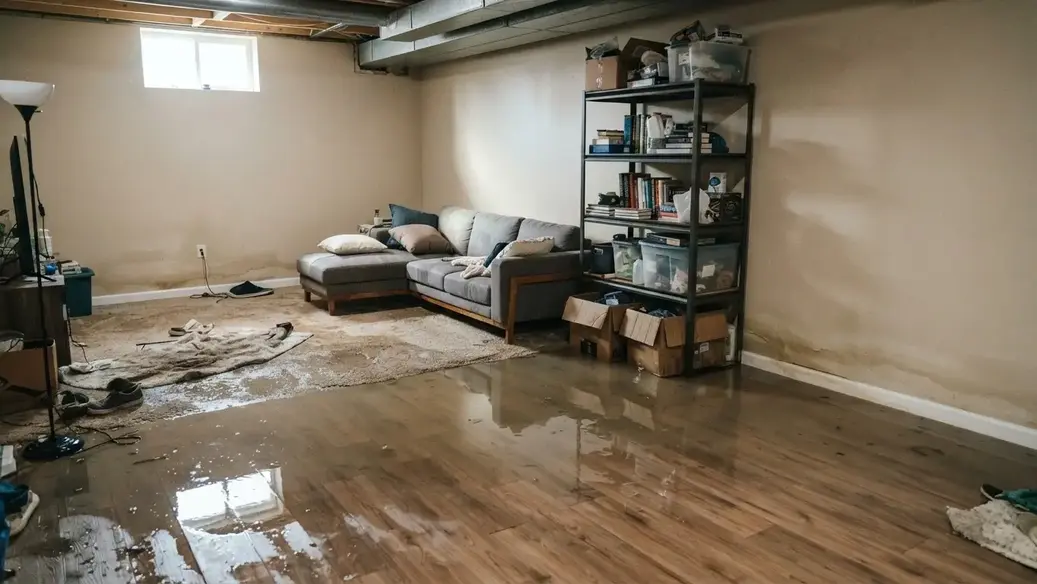
Even a relatively shallow basement flood can create extensive
cleanup needs when water reaches multiple rooms or remains
trapped in concealed areas.
Kansas City properties face different flooding challenges
depending on their location, grading, foundation design,
drainage conditions, and proximity to low-lying areas.
Intense rainfall can produce substantial surface runoff,
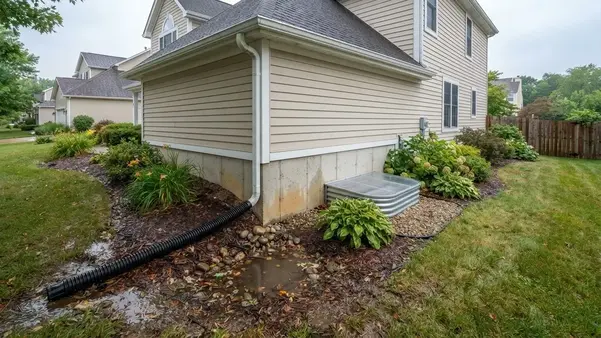
particularly around properties where yards, driveways,
window wells, and foundation walls direct water toward
the building. Below-grade living spaces are especially
vulnerable when exterior drainage cannot move water away
quickly enough or sump pump systems fail during prolonged
rainfall. Older homes, finished basements, and properties
with limited drainage improvements may require additional
evaluation after water enters the structure.
Before cleanup begins, the source of the water and any
immediate safety concerns should be evaluated. Floodwater
entering from outside may carry soil, debris, chemicals,
microorganisms, or other contaminants, depending on where
it originated and what it contacted. Water entering through
a sewer backup or overflowing drain presents a different
contamination concern from rainwater entering through a
foundation wall. Property owners should avoid contact with
potentially contaminated water, keep children and pets away
from affected areas, and avoid entering flooded spaces where
electrical hazards or structural concerns may be present.
The appropriate cleanup approach depends on the actual
water source and conditions inside the property.
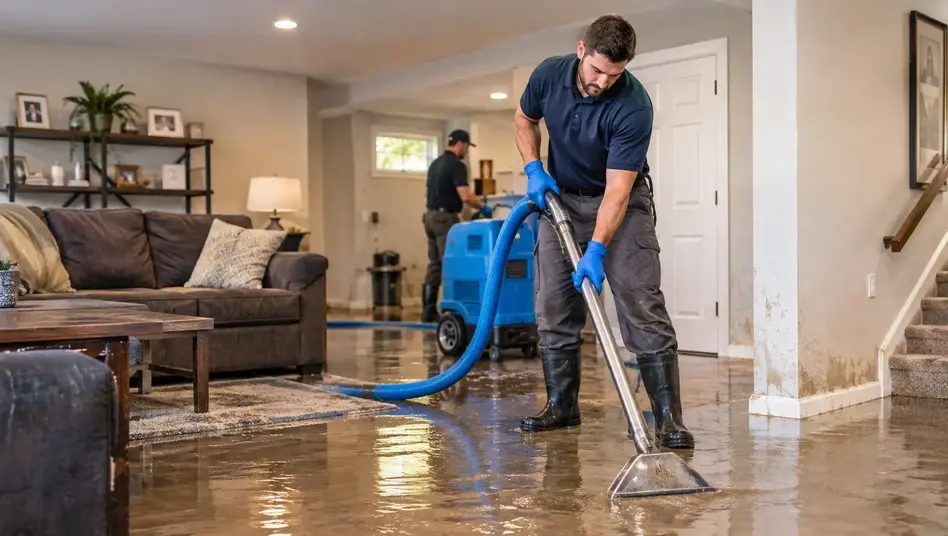
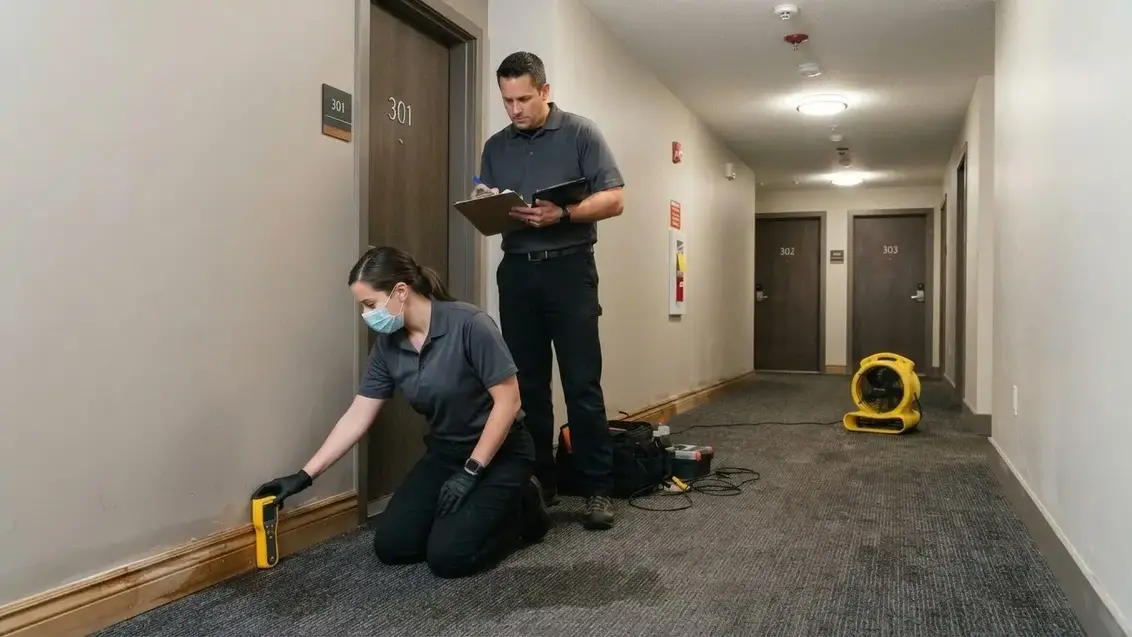
Professional flood cleanup involves more than removing
visible standing water. The affected areas need to be
assessed to determine how far water traveled, which
materials became saturated, and whether moisture has
reached concealed spaces. Depending on the extent of the
flooding, restoration work may involve several related
cleanup needs:
-
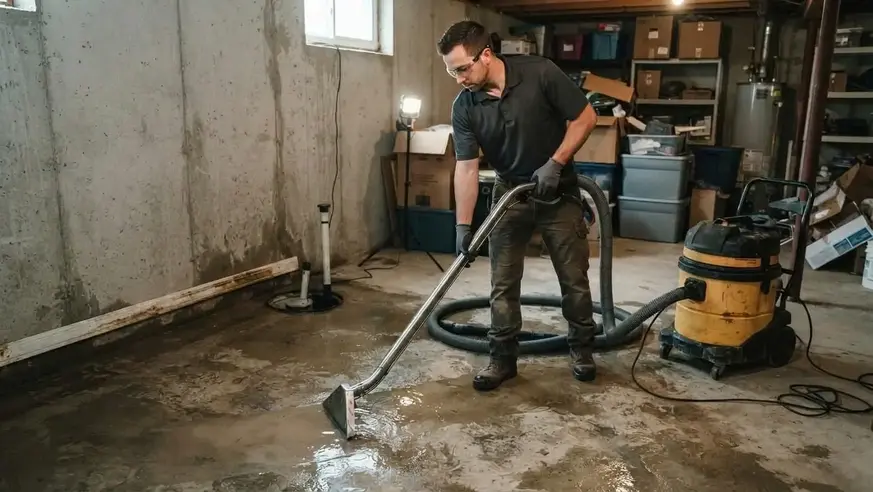
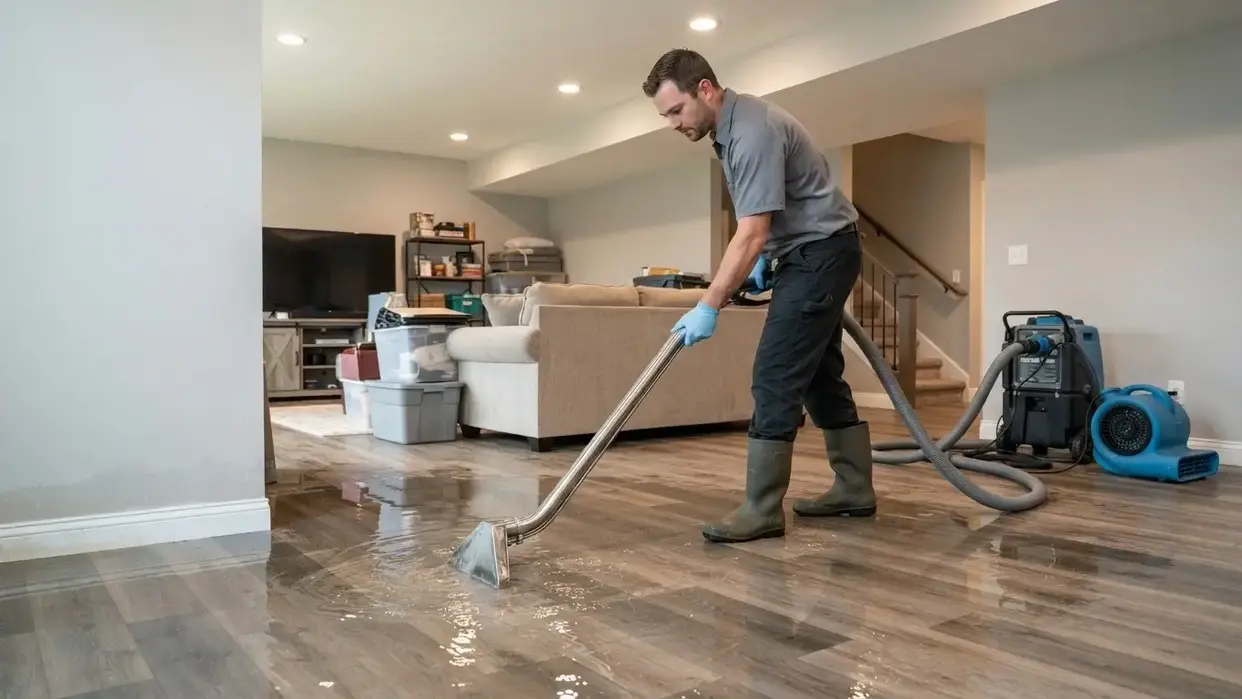
Standing water removal:
Extraction of accumulated water from flooded basements,
lower-level rooms, garages, and other affected areas
before additional cleanup and restoration work proceeds.
-
Stormwater and surface-water cleanup:
Assessment of water that entered through foundation
openings, window wells, exterior doors, garage entrances,
and other points of water intrusion.
-
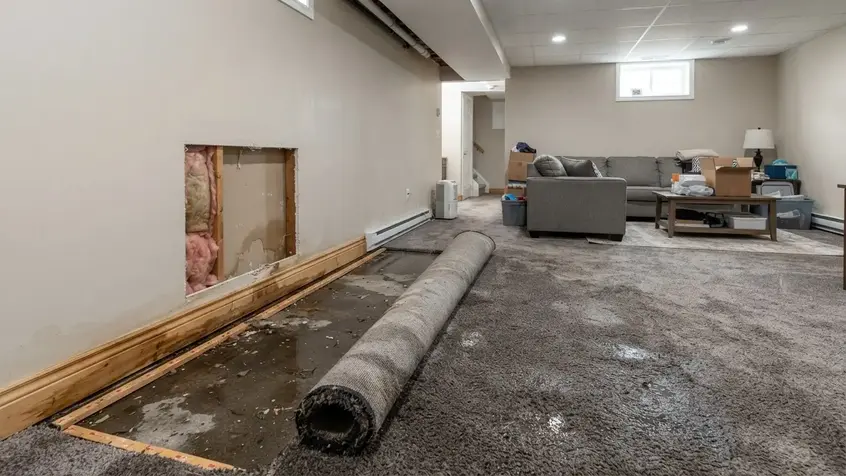
Water-damaged material assessment:
Evaluation of carpet, padding, flooring, baseboards,
drywall, insulation, and other materials to determine
what may be dried, cleaned, or require removal.
-
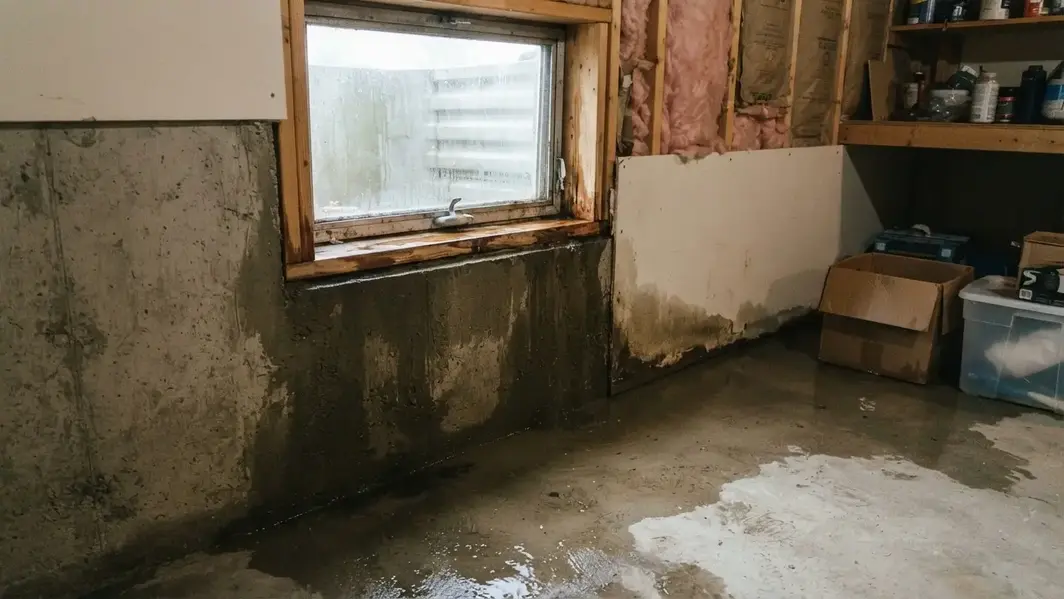
Basement and foundation water intrusion:
Inspection of affected lower-level spaces, foundation
entry points, adjoining rooms, and concealed areas
where water may have traveled beyond the visible
flooding.
-
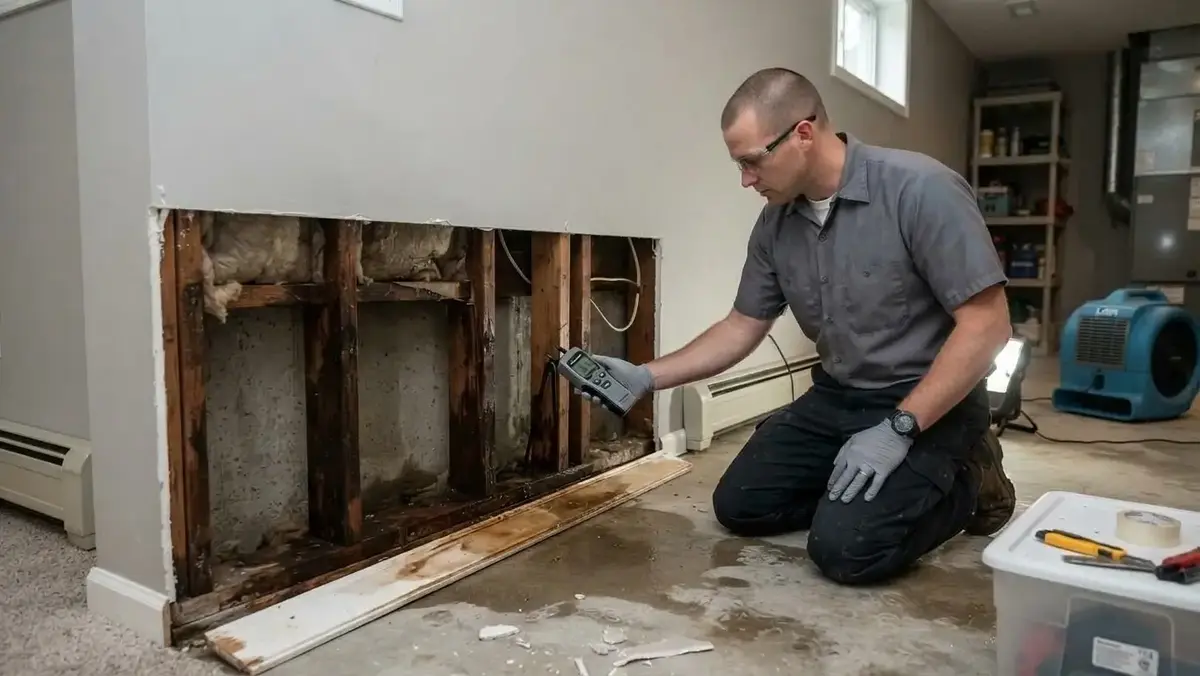
Structural drying and moisture monitoring:
Evaluation of remaining moisture in building materials
after water removal, with appropriate drying measures
to help limit continued moisture exposure.
-
Furniture and personal belongings:
Assessment of affected furnishings, stored possessions,
household contents, and other items to determine
appropriate cleaning, drying, restoration, or disposal.
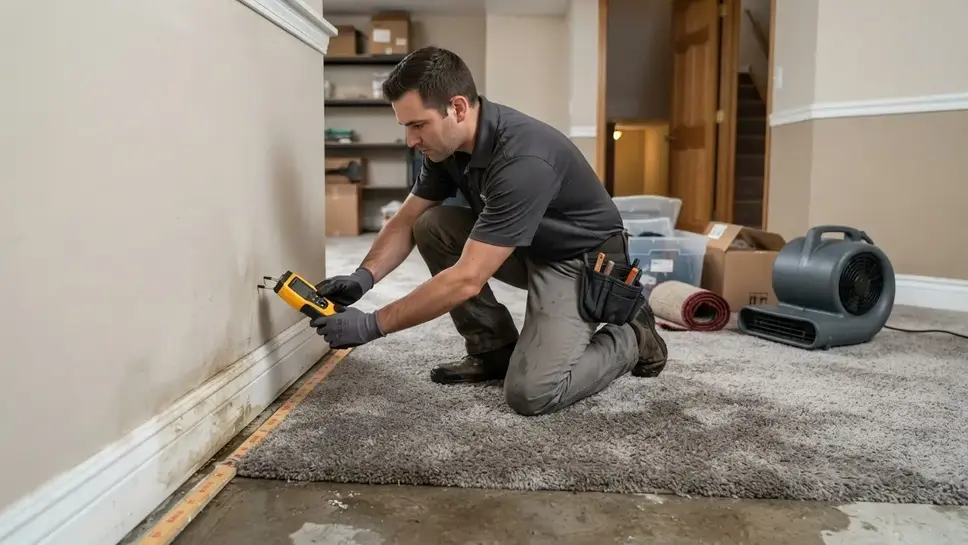
The extent of flood damage depends on more than the depth
of the water. How long materials remained wet, how quickly
water was removed, the type of water involved, and the
construction of the affected space all influence the
restoration scope. A finished basement with carpet,
drywall, built-in storage, and upholstered furniture may
require a different approach from an unfinished utility
area with concrete flooring. Water can also move beneath
flooring, behind baseboards, and into wall cavities,
creating moisture conditions that are not apparent during
a visual inspection.
Flood cleanup and water extraction are closely related,
but they address different parts of the response.
Professional water extraction
focuses on removing accumulated water, while flood cleanup
considers the broader effects of the flooding event,
including affected materials, contamination concerns,
debris, and the additional restoration work that may
be necessary. Once standing water and unsalvageable
materials have been addressed,
structural drying
helps address moisture remaining in building materials.
Keeping moisture under control is also an important part
of
mold prevention
after a flooding incident.
Not every flooding event involves the same type of water.
Rainwater entering through a foundation or exterior opening
may require a different cleanup approach from a sewer
backup, drain overflow, or other wastewater incident.
When sewage or contaminated wastewater is involved,
specialized
sewage cleanup
may be necessary to address the contamination and
affected materials. Identifying the source before
selecting a cleanup approach helps ensure that the
restoration scope accounts for the actual conditions
rather than treating every flooded property as the same
type of water loss.
Flood damage can affect residential and commercial
properties throughout the Kansas City metro, including
homes, apartment buildings, rental properties, offices,
retail spaces, and other occupied buildings. Properties
in Kansas City, Independence, Lee's Summit, Blue Springs,
Raytown, Liberty, and surrounding Missouri communities,
as well as Overland Park, Olathe, Lenexa, Shawnee, and
other Johnson County communities, can face different
combinations of rainfall exposure, surface drainage,
foundation conditions, and below-grade construction.
Finished basements, lower-level entrances, window wells,
and utility spaces deserve particular attention when
water enters a building.
For Kansas City property owners, a thorough flood damage
assessment helps establish what happened, how far the
water traveled, and which parts of the building need
attention. Addressing standing water, evaluating affected
materials, identifying contamination concerns, and
determining the remaining drying requirements creates
a clearer path from the initial flooding event toward
cleanup and restoration. The appropriate work should
be based on the property's actual water conditions,
construction, and extent of damage.