⭐ Trusted by Kansas City homeowners • Licensed & Insured • 24/7 Burst Pipe & Water Damage Restoration

Emergency Burst Pipe Damage Restoration in Kansas City, MO

Get help with burst pipe water damage, emergency water extraction, water-soaked building materials, and structural drying in Kansas City. A burst pipe can release substantial amounts of water into floors, walls, ceilings, and other areas of your property. Prompt water removal and professional drying help limit further moisture damage.

Serving homeowners and businesses throughout Kansas City, Overland Park, Lee's Summit, Independence, and nearby Missouri and Kansas communities. We address water damage caused by burst pipes, frozen plumbing, split supply lines, leaking pipe connections, and other sudden plumbing failures.

24/7 Emergency Service • Burst Pipe Water Removal • Structural Drying

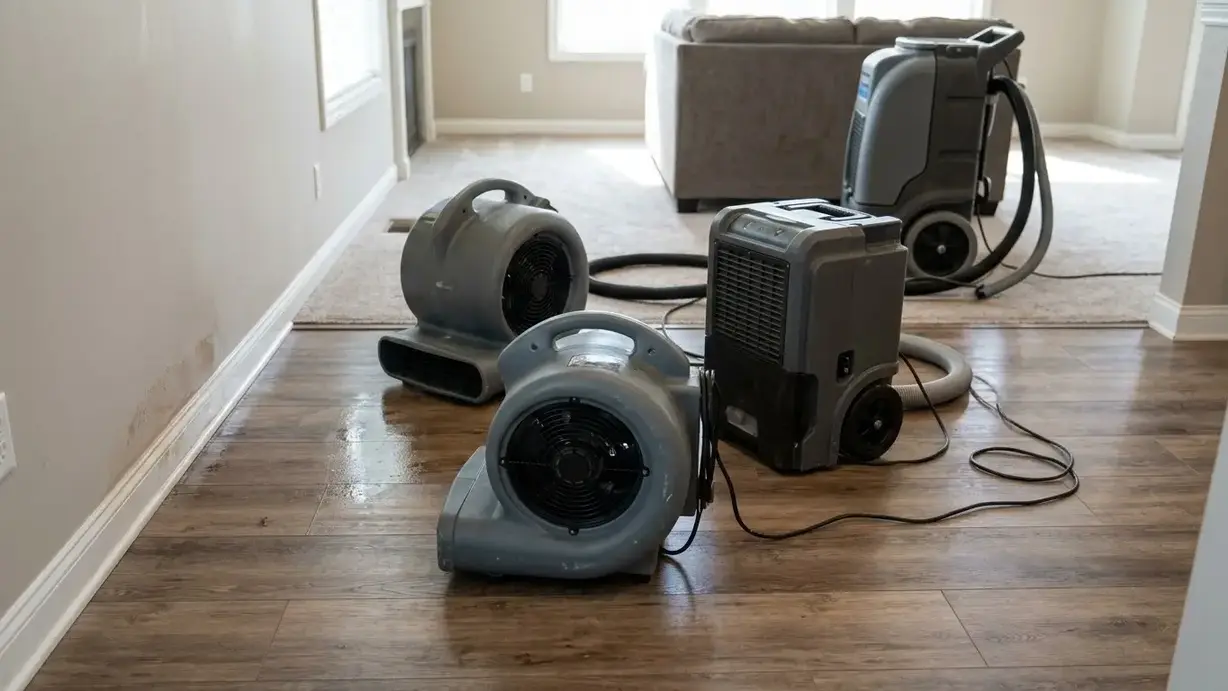
Water damage restoration equipment used to extract water after a burst pipe in a Kansas City property
Burst Pipe Damage Restoration Pipe Ruptures • Frozen Pipes • Interior Water Damage
Emergency Water Extraction Standing Water Removal • Wet Materials • Moisture Assessment
Structural Drying & Moisture Control Walls • Floors • Ceilings • Concealed Moisture
Kansas City Burst Pipe Service Kansas City, MO • Kansas City, KS • Surrounding Communities

Understanding Burst Pipe Water Damage in Kansas City Homes

A burst pipe can turn a routine plumbing problem into a major water damage event in a short amount of time. Broken supply lines, frozen plumbing, failed pipe connections, and sudden pipe ruptures can release water into wall cavities, ceilings, flooring, insulation, and finished living spaces. Emergency water extraction helps remove accumulated water before it spreads further into affected building materials and interior spaces.

Kansas City's winter temperature swings can increase the risk of frozen plumbing in vulnerable areas, including exterior walls, unheated spaces, crawl spaces, and exposed pipe runs. Even after the water supply is shut off and the damaged pipe is addressed, moisture can remain trapped beneath flooring, behind drywall, and inside insulation. A thorough assessment, followed by appropriate structural drying, helps address moisture that ordinary surface cleanup may leave behind.

Effective burst pipe damage restoration involves more than wiping up visible water. The affected areas must be evaluated to determine how far the water traveled, which materials became wet, and whether concealed moisture requires additional attention. Depending on the extent of the damage, the restoration process may involve water removal, moisture monitoring, drying equipment, and steps to help reduce the risk of secondary moisture damage. If damp materials remain wet, the risk of mold growth can increase, making timely mold prevention an important consideration.

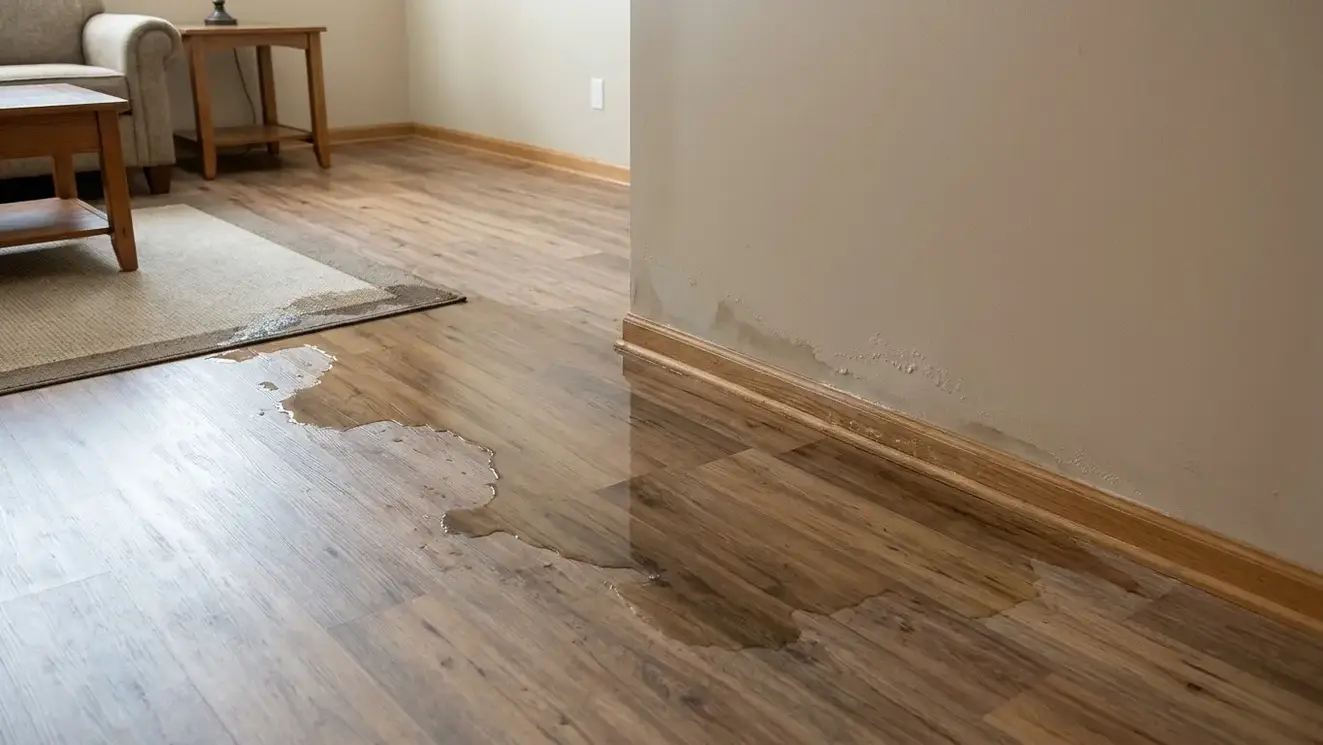
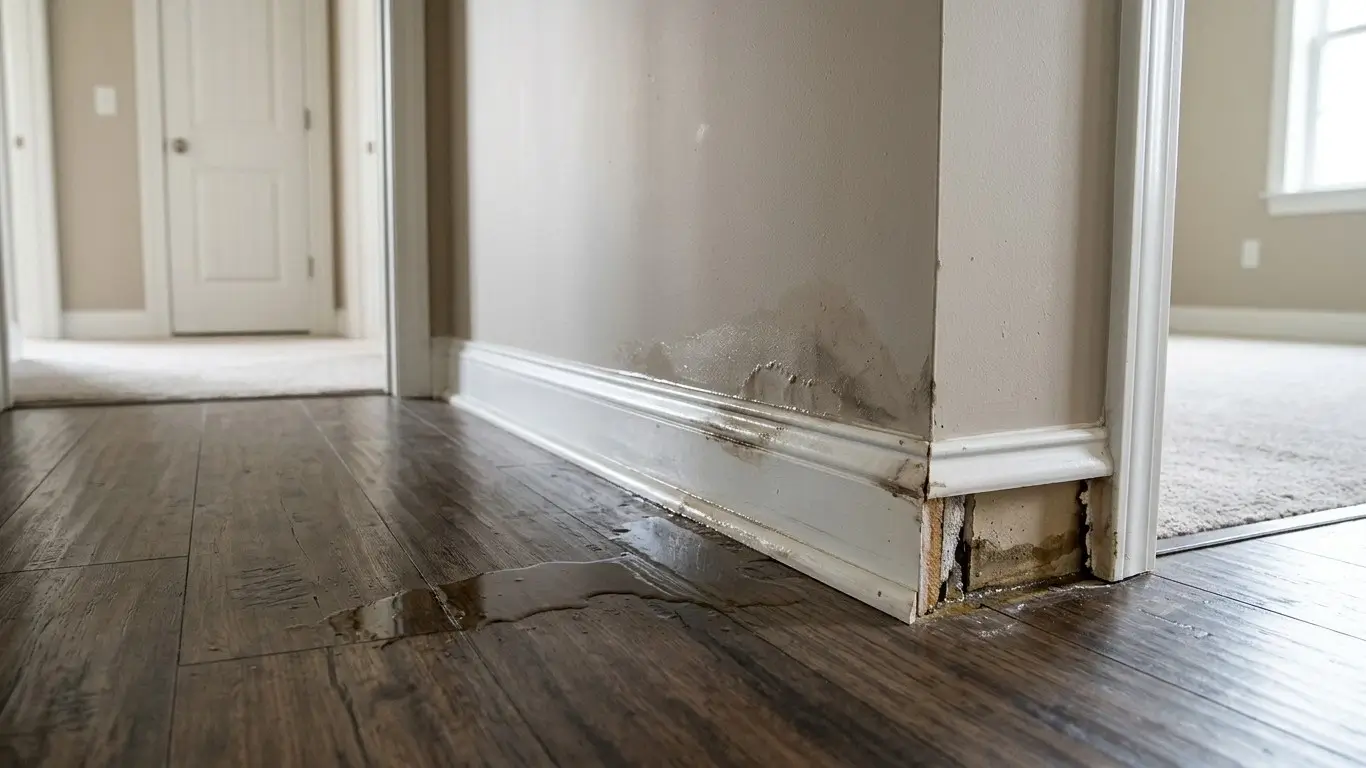
Water damage to a home's interior flooring and lower drywall following a burst plumbing pipe

Burst pipes can affect flooring, drywall, and concealed building materials, making prompt water removal and moisture assessment important.

Signs of a Burst Pipe in Your Kansas City Home

A burst pipe can release water inside walls, ceilings, floors, and basement areas before the source of the leak is visible. Kansas City properties can face additional plumbing risks during winter cold snaps, particularly where pipes run through exterior walls, crawl spaces, garages, and other poorly heated areas.

Common Warning Signs

  • Unexplained Water or Pooling
    Water collecting on floors, beneath sinks, around appliances, or in basement areas without an obvious source.
  • Sudden Changes in Water Pressure
    A noticeable drop in water pressure may indicate a plumbing leak or pipe failure, especially when multiple fixtures are affected.
  • Visible Pipe Damage
    Cracks, splits, leaking joints, or water spraying from exposed plumbing can indicate a damaged pipe.
  • Water Stains on Walls or Ceilings
    New discoloration, bubbling paint, sagging drywall, or damp surfaces may indicate water escaping from concealed plumbing.
  • Unusual Sounds Behind Walls
    Hissing, rushing, or persistent dripping sounds may point to a leak when no fixture is running.
  • Musty Odors or Persistent Dampness
    Lingering moisture and musty smells can indicate water has accumulated in concealed spaces or water-damaged materials.

If you suspect a burst pipe, shut off the water supply if you can do so safely, and contact a plumber to address the plumbing failure. If water has entered the building, professional water extraction may be needed to remove standing water. Structural drying can help address moisture in affected building materials.

Where Burst Pipe Water Damage Spreads Inside Kansas City Properties

Water from a burst pipe does not always remain near the plumbing failure. Depending on the pipe's location, the amount of water released, and the building's layout, moisture can spread through wall cavities, ceiling assemblies, flooring systems, and other concealed areas. A wet spot may identify where water became visible without showing the full extent of the damage.

Ceilings and Lower-Level Rooms

A ruptured pipe above a finished ceiling can allow water to collect around framing, insulation, light fixtures, and ceiling materials before reaching the room below. Water may continue spreading along structural surfaces, so the visible stain may not identify every affected area.

Exterior Walls and Cold Spaces

Plumbing located near exterior walls, unheated garages, crawl spaces, or other cold areas can be vulnerable during freezing weather. When a pipe ruptures, water may enter wall cavities and insulation, making moisture assessment important even when the exterior surface shows limited damage.

Flooring and Subfloors

Water can travel beneath flooring, collect at seams, and reach subfloor materials. Hardwood, laminate, carpet, and other floor coverings respond differently to moisture. Water extraction and structural drying needs depend on the materials, exposure, and extent of moisture penetration.

Basements and Utility Areas

Burst pipes near water heaters, laundry connections, basement plumbing, and utility rooms can release water onto concrete floors or into adjacent finished spaces. Water may also affect stored belongings, baseboards, lower wall sections, and nearby building materials.

Wall Cavities and Insulation

Water escaping from concealed plumbing can move behind drywall and into insulation or framing. These materials may retain moisture even after the visible leak has stopped. The extent of drying or material removal depends on the construction, moisture levels, and accessibility of the affected area.

Furniture and Personal Belongings

Water spreading across floors can reach furniture, rugs, stored boxes, electronics, and other belongings. Moving unaffected items away from wet areas, when safe to do so, can help limit additional exposure. Restoration needs depend on the item, material, and degree of water contact.

Why Visible Water May Not Show the Entire Problem

Dry-looking surfaces do not necessarily mean concealed materials are dry. Water may move behind baseboards, beneath flooring, or into cavities that cannot be evaluated through a visual inspection alone. The appropriate assessment depends on the affected construction, moisture readings, and accessible areas.

Depending on the damage, restoration may involve water extraction, moisture assessment, and structural drying. If building materials remain damp, appropriate moisture control and mold prevention should also be considered.

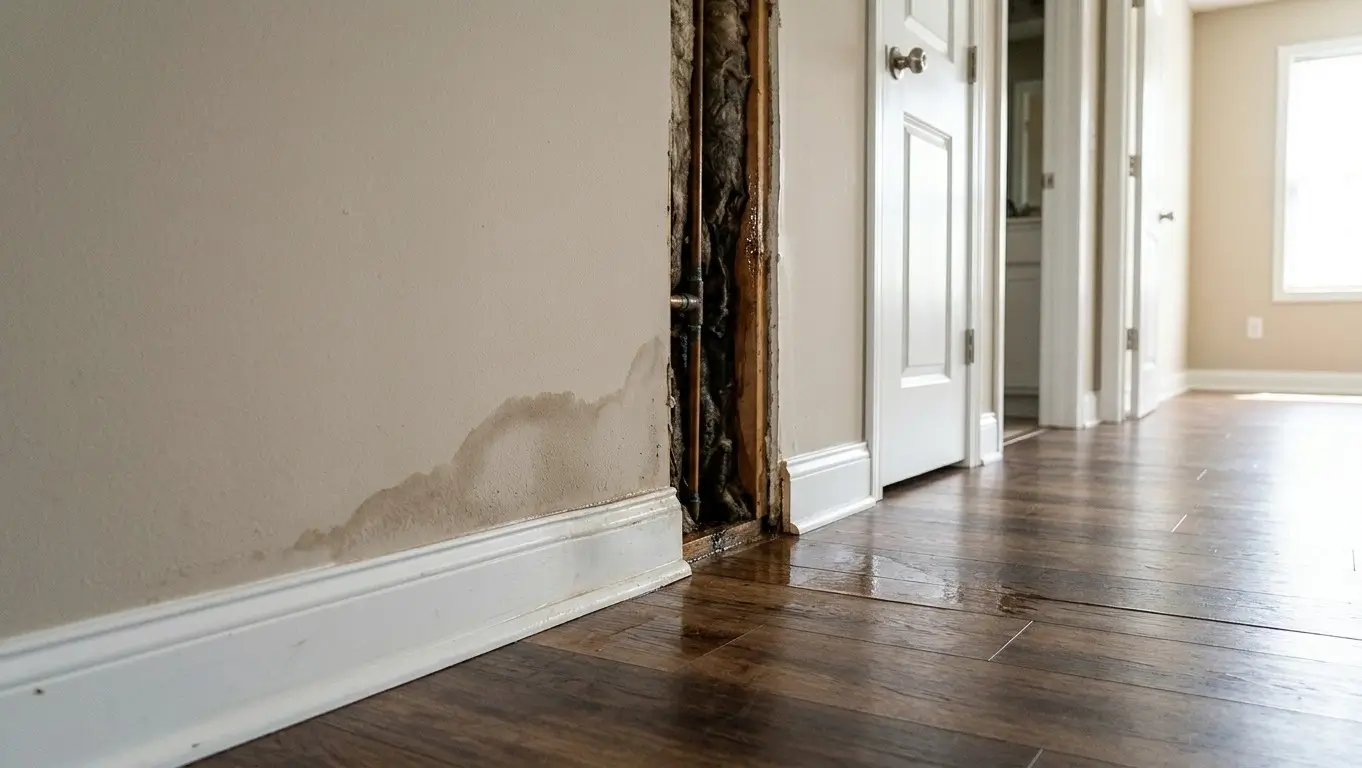
Water-damaged drywall and flooring showing how moisture from a burst pipe can affect adjoining building materials

Water from a burst pipe can travel beneath flooring and behind finished walls, leaving moisture beyond the area where damage first becomes visible.

Preparing Kansas City Plumbing for Winter Freeze Events

Winter cold snaps across the Kansas City metropolitan area can put residential and commercial plumbing at risk, especially where water lines run through unheated or poorly insulated spaces. Pipes near exterior walls, inside garages, and in crawl spaces may be exposed to colder conditions than plumbing inside heated living areas. Understanding where pipes are vulnerable and how to respond to freezing temperatures can help property owners reduce the risk of burst pipes and resulting water damage.

Inspect Vulnerable Plumbing Locations

Check water lines near exterior walls, unheated garages, crawl spaces, basements, and other areas exposed to cold air. Look for missing or damaged pipe insulation and openings that allow outdoor air to reach plumbing. Insulation and air sealing may reduce exposure, but appropriate improvements depend on the property's construction and plumbing layout.

Protect Outdoor Faucets and Connections

Disconnect garden hoses before freezing weather and follow manufacturer instructions or a plumber's guidance for protecting outdoor faucets and their supply lines. Appropriate faucet covers and properly maintained exterior connections can help reduce exposure during prolonged cold conditions. Pay particular attention to plumbing that passes through exterior walls.

Maintain Safe Indoor Temperatures

Keep the property adequately heated during freezing weather, including overnight and during periods when the building is unoccupied. Open cabinet doors where appropriate to allow warmer room air to circulate around vulnerable plumbing. Properties with exposed pipes may require additional precautions because thermostat settings alone may not protect every pipe.

Prepare Vacant and Seasonal Properties

Vacant homes, rental properties, and buildings with limited winter occupancy need a plan for monitoring indoor temperatures, checking plumbing, and responding to heating failures. Depending on the property, professional winterization or shutting off and draining portions of the plumbing system may be appropriate. Consult a qualified plumber when the system requires specialized preparation.

Respond Safely to Frozen Pipes

If a pipe appears frozen, avoid using an open flame, torch, or other unsafe heating method. Contact a plumber if the frozen section is inaccessible or you are unsure how to thaw it safely. If a pipe has ruptured, shut off the water supply if you can do so safely. Never enter standing water or touch electrical equipment when an electrical hazard may be present.

Recognize Signs of a Pipe Failure

Unexpectedly low water pressure, unusual dampness, ceiling stains, wet flooring, or water near plumbing fixtures can indicate a plumbing problem. A burst pipe may be hidden inside a wall, ceiling, crawl space, or cabinet, so visible water may not show the full extent of the damage. Investigate suspected leaks promptly and address the source when it is safe to do so.

What if a pipe bursts during a Kansas City cold snap? Prioritize safety, shut off the water supply if it is safe to do so, and contact a plumber to address the damaged pipe. If water enters the property, prompt attention can help limit additional exposure to flooring, drywall, insulation, framing, and belongings. Avoid areas where water may have reached electrical equipment.

Depending on the damage, restoration may involve emergency water extraction, moisture assessment, and structural drying. If building materials remain damp, appropriate moisture control and mold prevention should also be considered. The necessary work depends on the amount of water released, how far it traveled, and which materials were affected.

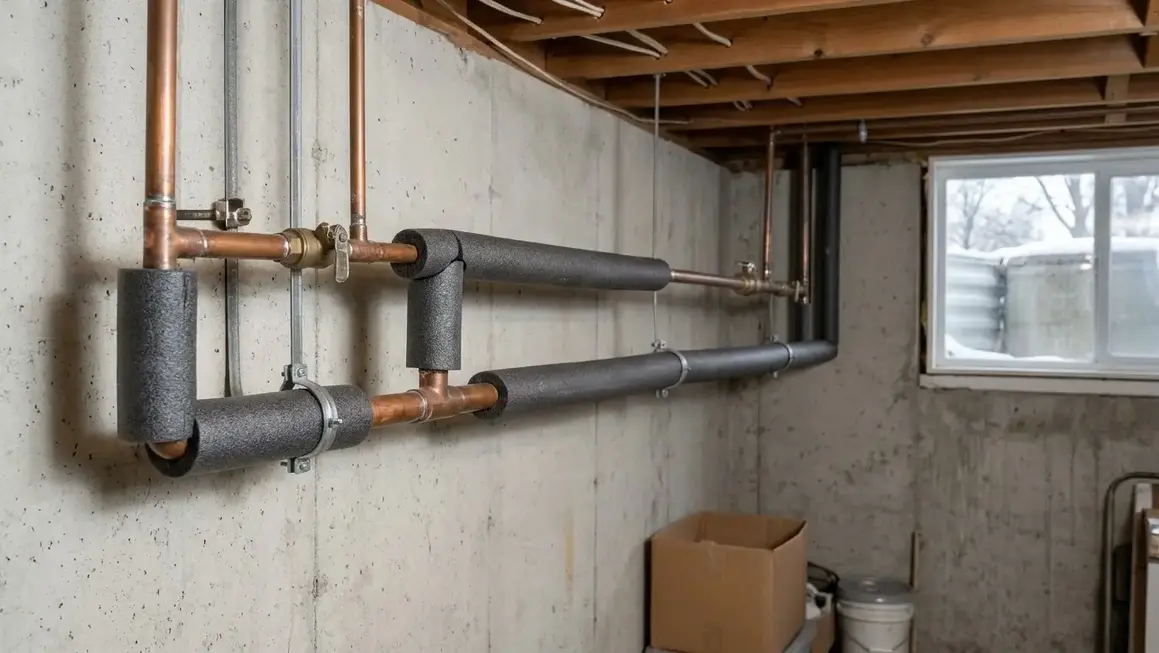
Insulated water pipes in a residential basement utility area during winter cold weather

Pipes near exterior walls and unheated utility spaces can be vulnerable during Kansas City winter cold snaps, making insulation and winter preparation important.

Get Help With Burst Pipe Water Damage in Kansas City

A frozen or ruptured pipe can release water into walls, ceilings, flooring, and finished living spaces. KC Water Damage Pros provides 24/7 water damage restoration assistance, including emergency water extraction and structural drying for affected Kansas City properties. Contact our team to discuss your water damage restoration needs.

Call (816) 370-6439

Can Water-Damaged Materials Be Saved After a Pipe Bursts in Kansas City?

A burst pipe can damage more than the surface where water first appears. Water may penetrate drywall, insulation, hardwood flooring, subfloors, cabinetry, furniture, and other porous materials before the leak is discovered. For Kansas City homeowners, landlords, property managers, and commercial building owners, determining whether water-damaged materials can be restored requires evaluating the material itself, the amount and duration of exposure, the source of the water, and whether moisture can be removed effectively. Some materials may be suitable for drying and retention, while others may require removal because of swelling, deterioration, contamination, or moisture trapped within concealed assemblies.

Drywall, Plaster, and Wall Cavities

Water from a ruptured plumbing line can soak drywall, damage joint compound, loosen paint, and travel behind finished wall surfaces. Limited exposure does not automatically require drywall removal if the material remains sound and can be adequately assessed and dried. However, softened, crumbling, swollen, or persistently wet drywall may need to be removed. Plaster walls also require evaluation based on their condition and construction. Insulation, framing, and the reverse side of the wall may retain moisture even when the exposed surface appears dry.

Hardwood, Laminate, and Other Flooring

Water-damaged hardwood floors may develop cupping, warping, gaps, or other dimensional changes as moisture affects the wood. Laminate flooring can swell at its edges and joints, particularly when water reaches its moisture-sensitive core. Carpet and pad may retain water, while resilient flooring can conceal moisture beneath the finished surface. Whether flooring can be salvaged depends on the product, installation, duration of exposure, and condition of the materials below it. Surface drying alone may not address water trapped beneath flooring after a burst pipe.

Subfloors, Framing, and Insulation

Water that passes through finished flooring can reach plywood, oriented strand board, floor framing, and insulation. Wood-based subfloors may swell, lose dimensional stability, or deteriorate after prolonged wetting. Fibrous insulation can retain moisture, and concealed framing may require additional inspection when a plumbing leak affects a floor or wall assembly. Some structural materials can be dried and retained when their condition allows, but material integrity and accessibility matter. Removal may be necessary where components are damaged, contaminated, or cannot be dried adequately in place.

Furniture, Upholstery, and Personal Belongings

Furniture and personal possessions affected by a burst pipe should be evaluated according to their materials, construction, condition, and exposure. Some hard, nonporous items may be cleaned and dried, while upholstered furniture, mattresses, paper products, and other porous belongings can be more difficult to restore. Electronics require special caution after water exposure and should not be powered on while wet. Move unaffected belongings away from the damaged area when it is safe to do so, and avoid handling items exposed to sewage or potentially contaminated water without appropriate protective measures.

Cabinets, Baseboards, and Interior Trim

Water can collect beneath kitchen cabinets, bathroom vanities, built-in storage, and baseboards after a pipe bursts. Cabinet panels and composite wood products may swell, delaminate, or lose their original shape when exposed to moisture. Solid wood trim may sometimes be dried and retained, depending on the degree of distortion and damage. Inspection should include cabinet toe kicks, wall-floor joints, and concealed spaces where water may remain. The decision to remove or retain these components depends on their condition and whether affected materials can be adequately dried.

Materials Exposed to Contaminated Water

The source of the water is a critical factor when deciding whether materials can be salvaged. A leak from a potable water supply line may present different cleanup considerations from a sewage backup or water that has contacted contaminated surfaces. Porous materials exposed to contaminated water may require removal when effective cleaning and restoration are not practical. Cleanup methods and protective measures should reflect the actual contamination risk rather than assuming every plumbing-related water loss has the same requirements. When the source or safety of the water is uncertain, avoid unnecessary contact and seek an appropriate professional assessment.

How Restoration Professionals Decide Whether Materials Can Be Saved

Salvageability is determined by more than whether a material looks damaged. An assessment may consider moisture readings, visible deterioration, swelling, delamination, odor, contamination concerns, the material's construction, and access to concealed surfaces. Moisture meters and other suitable inspection methods can help identify areas requiring additional evaluation, although readings must be interpreted in the context of the material and inspection conditions. A dry-looking wall, floor, or cabinet does not necessarily establish that concealed materials are dry.

The duration of water exposure also matters. A plumbing leak discovered quickly may affect a smaller area than a burst pipe that continues releasing water while a property is unoccupied. Kansas City winter freeze events can create additional challenges when a pipe ruptures in an exterior wall, garage, crawl space, or other cold area. Water may travel through concealed assemblies before visible staining or other damage becomes apparent.

When Is Removal and Replacement Necessary?

Removal may be appropriate when building materials have lost their integrity, cannot be dried effectively, remain persistently wet, or have been exposed to contamination that cannot be adequately addressed through cleaning. Examples may include deteriorated drywall, severely swollen laminate, damaged composite wood products, or porous materials that cannot be safely restored. The decision should account for the condition of adjoining materials and whether opening a wall, ceiling, or floor is necessary to evaluate concealed damage.

Removing materials unnecessarily can increase repair costs, but retaining materials that cannot be adequately dried or cleaned can leave unresolved moisture or contamination concerns. The goal is to identify what can reasonably be retained and what requires corrective work based on the actual conditions, rather than applying the same removal approach to every property.

Why moisture control matters: Wet building materials should be dried as promptly as practical. The U.S. Environmental Protection Agency recommends drying wet or damp materials within 24 to 48 hours when possible to help prevent mold growth. This is a prevention guideline, not a guarantee that mold will or will not develop. Material type, water source, temperature, humidity, and drying conditions all affect the outcome.

If a burst pipe has affected concealed building materials, appropriate structural drying can help address residual moisture in materials suitable for retention. When water needs to be removed from affected rooms, learn more about emergency water extraction. For additional guidance on managing moisture-related risks, visit our mold prevention after water damage page.

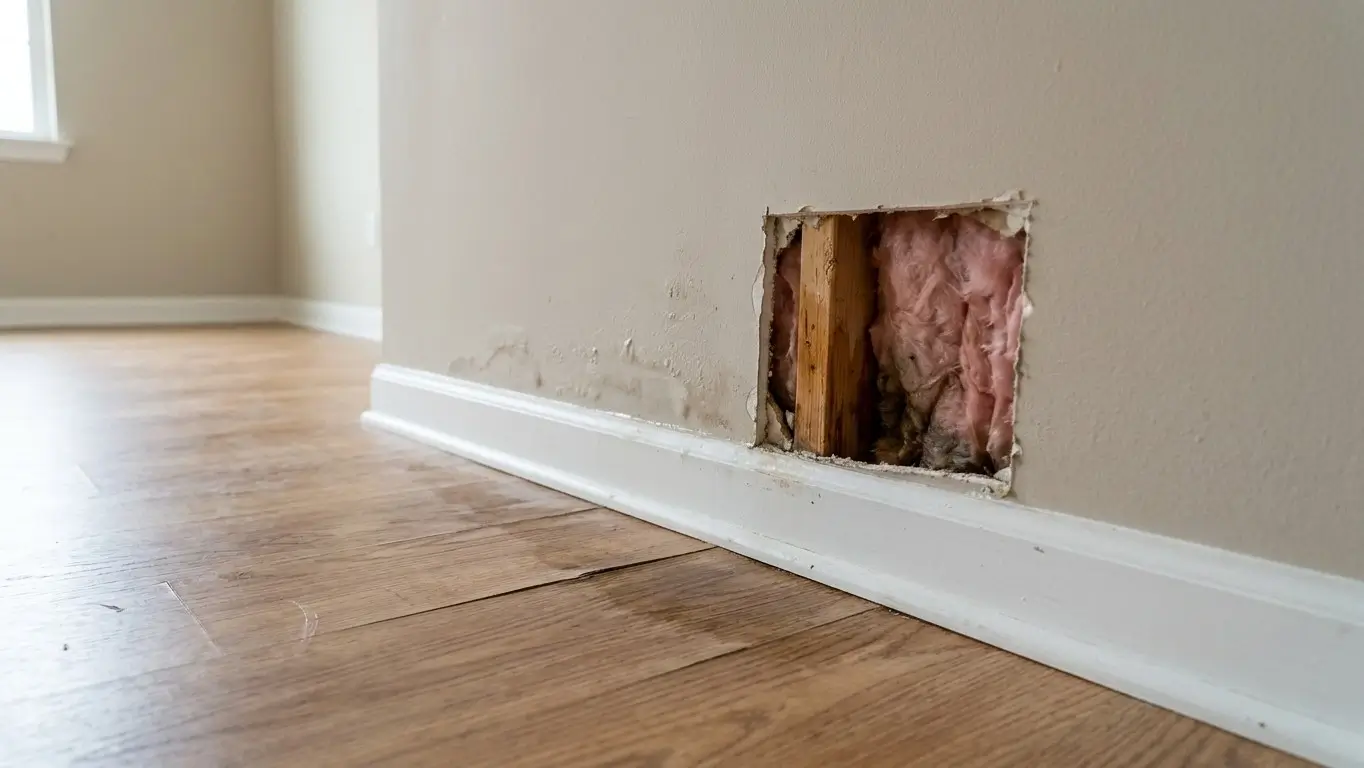
Localized water damage to drywall, baseboards, and flooring after a burst pipe in a residential home

Drywall, baseboards, flooring, and concealed materials must be evaluated individually to determine whether drying, cleaning, or replacement is appropriate.

Working With Insurance After Burst Pipe Water Damage in Kansas City

A burst pipe can cause damage to drywall, ceilings, flooring, insulation, cabinets, and other building materials. If you are filing a homeowners or commercial property insurance claim, documenting the affected areas and understanding the proposed restoration work can help you communicate with your insurer. Kansas City homeowners and property managers should review their policy requirements and ask which records, estimates, inspections, and approvals are needed for their particular loss.

Depending on the circumstances and the documentation available, records relevant to a burst-pipe water damage claim may include:

  • Photographs of Visible Water Damage
    Photograph affected rooms, wet flooring, ceiling stains, damaged belongings, and visible plumbing damage when it is safe to do so. Images taken before cleanup or material removal may help record the initial condition of the property. Do not delay necessary emergency mitigation to collect photographs.
  • Written Damage Assessments and Restoration Estimates
    A written estimate can describe the proposed water extraction, drying, material removal, cleanup, and other restoration work. Review the listed tasks, affected areas, exclusions, and potential additional costs. Ask the restoration provider to explain any differences between the observed damage and the work proposed.
  • Moisture Readings and Drying Records
    Where measurements and records are available, moisture readings and drying logs can help document conditions observed during restoration. Their usefulness depends on the materials tested, measurement locations, timing, and information recorded. These records do not independently determine insurance coverage or establish that every concealed area is dry.
  • Invoices, Mitigation Costs, and Repair Documentation
    Keep copies of applicable invoices, estimates, receipts, and records of work performed. If additional damage is discovered after work begins, ask how the new findings and proposed scope changes will be documented. Plumbing repairs, water damage mitigation, and reconstruction may appear under separate estimates or invoices.
  • Communication With Your Insurance Company
    Contact your insurer promptly to report the loss and clarify claim requirements. Ask whether an inspection, prior approval, particular forms, or additional documentation is needed before non-emergency work proceeds. Keep a record of claim-related communications and follow the insurer's instructions where applicable.

Does Homeowners Insurance Cover a Burst Pipe?

Coverage depends on the specific policy, the cause and circumstances of the plumbing failure, applicable exclusions, and the insurer's claim determination. A sudden pipe rupture may be treated differently from damage involving unresolved maintenance issues, gradual leakage, or other excluded circumstances. Do not assume that every burst-pipe incident is covered, or that all water extraction, drying, plumbing repairs, and reconstruction costs will be reimbursed.

If a pipe bursts during freezing weather, review any relevant policy provisions concerning freezing, heating requirements, property vacancy, and reasonable care to protect the plumbing. Your insurer can explain how the terms apply to your particular claim. A restoration estimate documents proposed work and costs; it does not guarantee approval or full payment.

Coordinating Insurance With Water Damage Restoration

Necessary steps to limit further damage may need to begin before every claim detail has been resolved. Address immediate safety concerns, stop the water supply when safe, and arrange appropriate mitigation. If an insurer requires specific inspections or documentation, ask how those requirements can be coordinated with urgent work without allowing preventable damage to continue.

KC Water Damage Pros provides information about water extraction, structural drying, and flood cleanup following water damage. These services address different parts of the restoration process; plumbing repairs and reconstruction may require separate arrangements depending on the scope of work.

Burst Pipe Water Damage Restoration Process in Kansas City, Missouri

A burst pipe can release water into finished rooms, wall cavities, ceiling assemblies, flooring systems, basements, and other areas of a property. In Kansas City, frozen pipes during winter cold snaps, failed plumbing connections, ruptured supply lines, and leaking fixtures can create different water damage conditions. Effective restoration requires more than removing visible water. The process may include controlling the source, inspecting affected materials, extracting standing water, locating concealed moisture, drying salvageable building materials, and determining what repairs are necessary. The appropriate scope depends on the amount of water released, the duration of exposure, the water source, and the construction of the affected property.

1. Burst Pipe Damage Assessment and Inspection

The initial assessment identifies the visible damage, the suspected path of water movement, and the building materials that may have absorbed moisture. After a pipe bursts, water can affect drywall, ceiling materials, baseboards, hardwood, laminate, carpet, subfloors, insulation, and structural framing. An inspection may extend into adjoining rooms when the building layout suggests that water traveled beyond the original leak. For Kansas City homeowners, property managers, and commercial building operators, understanding the affected areas helps establish priorities for emergency water mitigation and determine whether concealed spaces need further evaluation.

2. Plumbing Source Control and Emergency Water Extraction

The first priority is to stop or control the water release when it is safe to do so. A licensed or otherwise appropriately qualified plumbing professional, as required, may need to repair or replace the failed pipe, fitting, valve, or supply connection. Water restoration work addresses the resulting damage and is separate from repairing the plumbing system itself. Once the release is controlled, suitable extraction equipment can remove accessible standing water from floors and other affected surfaces. The amount of water, flooring type, room layout, and accessibility of the affected area influence the extraction methods required. Water near electrical equipment requires additional safety precautions before anyone enters the area.

3. Hidden Moisture Detection and Damage Mapping

Water from a burst pipe does not always remain where it first appears. It can move behind baseboards, beneath flooring, into ceiling cavities, and through wall assemblies. Moisture meters and other appropriate inspection methods can help identify affected materials and establish locations that may require additional drying or investigation. Particular attention may be needed around plumbing chases, exterior walls, bathrooms, laundry areas, finished basements, and ceilings below upper floors. Moisture readings must be interpreted in context, including material type and comparison with suitable dry reference areas. This assessment helps guide the drying plan instead of relying exclusively on visible stains or surface appearance.

4. Structural Drying and Dehumidification

After accessible standing water has been extracted, air movers and dehumidifiers may be used to support drying in affected areas. The appropriate equipment arrangement depends on the materials involved, the extent of moisture penetration, indoor temperature and humidity, and the condition of the property. Drying may involve exposed flooring, drywall, framing, or other materials that are suitable for retention. Monitoring moisture levels helps determine whether conditions are improving and whether adjustments are needed. Some materials, assemblies, or concealed spaces may require additional investigation or controlled access before effective drying can occur. Equipment alone does not establish that a building is dry; progress must be evaluated using appropriate observations and measurements.

5. Water-Damaged Material Evaluation and Cleanup

Following a burst pipe, affected materials must be evaluated to determine whether they can be cleaned and dried or need to be removed and replaced. Decisions depend on the material's condition, the extent and duration of exposure, and the source and possible contamination of the water. Materials exposed to a clean plumbing supply leak may require a different response from materials contacted by sewage or other contaminated water. Swollen laminate, delaminated flooring, saturated insulation, deteriorated drywall, and other compromised materials may not be suitable for restoration. Where removal is necessary, the work should account for affected adjoining materials and any remaining moisture concerns. Cleanup procedures should match the actual conditions rather than assuming every water loss presents the same contamination risk.

6. Drying Verification, Documentation, and Repairs

Follow-up inspection and moisture measurements help evaluate whether affected materials have reached appropriate drying targets. Findings can be documented to show the areas assessed, moisture conditions observed, and work that remains outstanding. Once mitigation and drying requirements have been addressed, repairs can be planned for damaged drywall, insulation, flooring, baseboards, paint, cabinetry, or other building components. Plumbing repairs, water damage mitigation, and reconstruction may involve separate providers and schedules. For property owners in Kansas City and surrounding Missouri and Kansas communities, a clearly defined scope helps distinguish completed mitigation work from remaining repair and rebuilding needs.

Water Extraction, Structural Drying, and Repairs Address Different Needs

Water extraction removes accessible standing water, while structural drying addresses moisture retained in affected building materials. Repairs restore or replace components that cannot be retained in their existing condition. These activities are related, but they are not interchangeable. A room can appear dry while moisture remains beneath flooring or inside a wall cavity, and visible staining alone cannot establish the full extent of the damage.

The restoration approach for a frozen pipe in an exterior wall may differ from the approach for a failed washing machine hose, a ruptured basement supply line, or a leak above a finished ceiling. The water source, exposure time, building materials, accessibility, and any contamination concerns influence the work required. No single equipment setup or restoration sequence is appropriate for every property.

Explore our related services for burst pipe water extraction and emergency water removal, structural drying for water-damaged walls, floors, and building materials, and moisture control and mold prevention after water damage.

Professional water damage restoration equipment positioned on wet residential flooring after a burst pipe

Water extraction removes accessible standing water, while appropriately positioned air movers and dehumidifiers support drying of affected building materials.

Common Burst Pipe Scenarios in Kansas City Homes and Commercial Properties

Burst pipe water damage can develop in different ways depending on where a plumbing line fails, how long water flows, and which building materials are exposed. In the Kansas City metropolitan area, freezing winter weather can increase the risk of frozen plumbing in vulnerable locations, while plumbing failures can also occur inside walls, above ceilings, beneath sinks, and near water-using equipment. Recognizing common burst-pipe scenarios helps homeowners, landlords, facility managers, and commercial property owners understand where water may travel and which areas may need inspection, extraction, or structural drying.

The following examples describe common types of plumbing-related water damage, not specific customer projects or claims about completed restoration work.

  • Frozen Pipes in Basements, Crawl Spaces, and Utility Areas
    During periods of freezing weather, plumbing in inadequately heated spaces, near foundation walls, or exposed to cold air may be at increased risk of freezing. Pipes can also be vulnerable where insulation is insufficient or cold air enters through gaps around exterior penetrations. If a frozen pipe splits, water may begin flowing when the ice melts or the line thaws. Resulting damage can affect basement floors, stored belongings, mechanical areas, framing, and nearby finished rooms. The extent of the damage depends on the location of the break, the volume of released water, and how quickly the leak is discovered.
  • Ruptured Water Lines Inside Exterior Walls
    Plumbing located in or near exterior walls can be vulnerable when cold outdoor temperatures reach inadequately protected pipe sections. A rupture inside a wall may remain hidden until water appears as bubbling paint, swollen baseboards, damp drywall, discoloration, or water emerging near an outlet or floor joint. Moisture may spread through insulation and wall framing before the visible symptoms become obvious. In Kansas City homes, inspecting the apparent leak location alone may not reveal the full extent of the affected wall assembly.
  • Burst Pipes Above Ceilings and Upper Floors
    A failed plumbing line in an upper-floor bathroom, laundry area, or ceiling cavity can allow water to travel downward through ceiling materials, light fixtures, wall cavities, and floor assemblies. Signs may include ceiling stains, sagging drywall, peeling paint, wet flooring, or water appearing in a room below the original leak. Water can also affect insulation and framing concealed between floors. If a ceiling is bulging or sagging from accumulated water, keep people away from the area rather than attempting to open or drain it yourself.
  • Basement Flooding From a Broken Plumbing Line
    A ruptured pipe in a basement, laundry room, utility room, or finished lower level can affect flooring, baseboards, drywall, stored possessions, and nearby building components. Water may spread into adjoining rooms or beneath finished floor coverings, particularly when the leak continues before discovery. Properties with finished basements may require evaluation of both visible surfaces and accessible concealed materials. Before entering a flooded basement, consider electrical hazards, especially if water has reached outlets, appliances, a furnace, or electrical equipment.
  • Apartment, Rental Property, and Multi-Unit Building Leaks
    In apartments and multi-unit properties, a plumbing failure in one unit can affect ceilings, walls, flooring, or belongings in another. Water may travel through shared wall cavities, floor assemblies, plumbing chases, and other building openings. Property managers may need to coordinate access, water shutoff, occupant communication, and inspection of adjacent units. The affected area should be established through inspection rather than assuming the damage is limited to the unit where the leak was first reported. Plumbing repairs, restoration, and reconstruction may involve separate contractors or scopes of work.
  • Commercial Properties, Offices, and Retail Spaces
    Burst pipes in offices, retail buildings, restaurants, and other commercial properties can affect ceiling systems, interior partitions, flooring, inventory, furnishings, and equipment. Water may also interrupt normal building operations or affect rooms beyond the original leak location. Commercial response planning should consider safe access, the location of electrical and mechanical equipment, the condition of affected materials, and the need to protect unaffected areas where practical. The restoration scope depends on the building layout, the water source, and the extent of the damage.
  • Leaks Beneath Sinks, Behind Appliances, and Around Plumbing Connections
    Failed supply lines, fittings, valves, and connections beneath kitchen or bathroom sinks, behind washing machines, and near water-using appliances can release water into cabinets, adjacent flooring, and wall or floor cavities. Some leaks are immediately noticeable, while smaller or concealed failures may go undetected for longer periods. Swollen cabinet panels, damaged toe kicks, soft flooring, and persistent dampness may indicate that water has reached materials beyond the visible plumbing connection. The source of the leak should be addressed, and surrounding materials evaluated where water intrusion is suspected.
  • Water Spreading Beneath Flooring and Into Wall Cavities
    Not all burst-pipe damage remains visible on the surface. Water can move beneath carpet, laminate, hardwood flooring, and other finished surfaces or enter concealed spaces through gaps and penetrations. Subfloors, insulation, and framing may retain moisture after standing water has been removed. Depending on the materials and conditions, restoration may involve moisture assessment, targeted removal of unsalvageable materials, and structural drying. A floor or wall that looks dry should not automatically be assumed to be free of concealed moisture.

What to Do When a Pipe Bursts in a Kansas City Property

When a pipe ruptures, address immediate safety concerns before attempting cleanup. If it is safe to reach the appropriate shutoff, stop the water supply to the affected plumbing. If water is near electrical outlets, appliances, wiring, or electrical equipment, stay out of the affected area and seek appropriate professional assistance. Do not touch wet electrical equipment or enter standing water when an electrical hazard may exist.

Once the immediate hazards have been addressed, document visible damage when safe to do so, move unaffected belongings away from the wet area where practical, and arrange appropriate water extraction and restoration assistance. Avoid assuming that household fans alone will dry moisture trapped inside walls, under flooring, or within insulation. Wet materials may need further evaluation to determine whether they can be dried in place or require removal.

Explore our water extraction services for removing accessible water, structural drying services for managing residual moisture in affected building materials, and flood cleanup services for additional information about water damage cleanup. You can also learn about mold prevention after water damage and why prompt moisture management matters.

Whether a plumbing failure affects a basement in Kansas City, an exterior wall in Independence, a finished ceiling in Lee's Summit, or a commercial space elsewhere in the metro area, the appropriate restoration approach depends on the actual source of the water, the materials affected, and the extent of moisture intrusion. A careful assessment helps establish the work needed rather than relying on the visible damage alone.

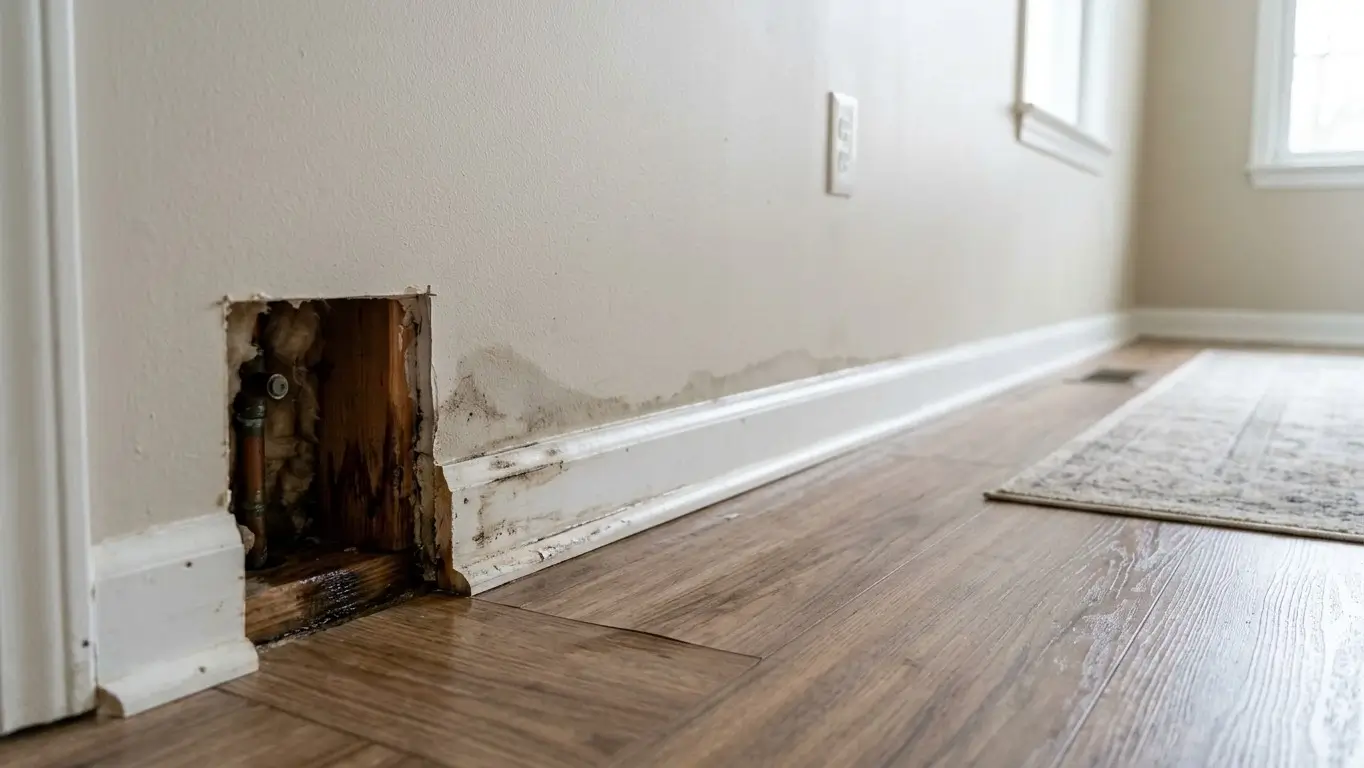
Water damage from a burst plumbing pipe affecting interior flooring and the lower portion of a residential wall

Burst pipes can release water into flooring, wall cavities, and other building materials, making it important to assess moisture beyond the visibly damaged area.

Need Burst Pipe Water Damage Restoration in Kansas City?

Whether a ruptured pipe has flooded a basement, damaged interior walls, soaked flooring, or affected a commercial property, prompt water extraction and structural drying can help address the resulting damage. KC Water Damage Pros provides 24/7 water damage restoration assistance throughout the Kansas City metropolitan area. Contact our team to discuss your property's restoration needs.

Call (816) 370-6439

Burst Pipe Water Damage Restoration Costs in Kansas City, Missouri

Burst pipe water damage restoration costs in Kansas City depend on how much water escaped, how long the pipe leaked, and how far the moisture spread through the property. A localized pipe rupture may require limited water removal and drying, while a major break can saturate flooring, damage drywall, affect insulation, and allow water to travel into multiple rooms or lower levels. The amount of affected material and the restoration work required determine the overall cost.

Restoration estimates may include emergency water extraction, moisture assessment, structural drying, dehumidification, and removal of materials that cannot be adequately restored. Plumbing repairs and reconstruction may be separate expenses. The categories below represent different types or scopes of work, so their prices should not be added together as though every project requires each service independently.

Typical Burst Pipe Water Damage Restoration Cost Estimates

Localized Burst Pipe Cleanup

$500–$1,500+

A small pipe rupture affecting a limited area may require localized water removal, cleanup, and targeted drying. Costs depend on the amount of water released, the materials affected, and whether moisture has spread beneath flooring or into nearby building materials.

Emergency Water Extraction

$500–$2,000+

Standing water from a burst pipe may need to be extracted from floors, finished basements, utility rooms, or other affected spaces. The volume of water, affected square footage, accessibility, and extent of the flooding influence the work involved.

Structural Drying & Dehumidification

$500–$2,500+

Drying may be needed when water penetrates subfloors, drywall, insulation, hardwood flooring, or other building materials. Equipment needs, moisture levels, affected areas, and the time required to achieve appropriate drying conditions influence the cost. Drying may be included in a broader restoration estimate.

Multi-Room Burst Pipe Damage

$1,500–$5,000+

A pipe that ruptures while a property is unoccupied or continues leaking for an extended period can affect several rooms or multiple levels. Restoration may involve extensive extraction, drying, moisture monitoring, and additional work where water has reached concealed spaces or multiple building assemblies.

Frozen Pipe Water Damage

$1,000–$5,000+

Kansas City's winter temperatures can contribute to frozen plumbing and pipe ruptures in vulnerable areas. Damage may affect exterior walls, ceilings, crawl spaces, or finished living areas. The final cost depends on the location of the break, the amount of water released, and the materials requiring cleanup and drying.

Material Replacement & Reconstruction

$2,000–$10,000+

Extensive water damage may require removal and replacement of drywall, insulation, flooring, cabinetry, trim, or other interior finishes. Reconstruction costs depend on the extent of demolition, replacement materials, labor, and the number of affected areas. Severe losses can exceed this range.

These figures are general planning estimates, not verified Kansas City market averages or guaranteed prices. Actual costs depend on the conditions at the property and the services included in the estimate. Extraction, drying, and material removal may overlap within a combined restoration project, while plumbing repairs and reconstruction may be billed separately. A property-specific assessment is needed to determine the appropriate scope and cost.

What to Check in a Burst Pipe Water Damage Restoration Estimate

A burst pipe can leave Kansas City homes and commercial properties with water damage that extends beyond the area where the leak first appeared. Restoration estimates may include water extraction, moisture assessment, structural drying, damaged material removal, cleaning, and reconstruction, depending on the conditions at the property. Whether a pipe freezes during a Missouri cold snap or ruptures inside a wall, comparing estimates requires looking at the proposed work, not just the bottom-line price. Use the following checklist to understand what a burst pipe water damage estimate covers, which services may be separate, and what to clarify before restoration begins.

1. Damage Assessment and Affected Areas

Check whether the estimate identifies the affected rooms, visible water damage, and building materials requiring attention. Depending on the incident, this may include ceilings, drywall, insulation, flooring, subfloors, baseboards, cabinets, and accessible wall or floor cavities. Water from a broken supply line can travel away from the original leak, so ask how potentially affected areas will be evaluated and whether further inspection may be needed if concealed moisture is suspected.

For Kansas City properties with basements, finished lower levels, or plumbing near exterior walls, clarify whether the assessment considers the full extent of the reported damage rather than only the most visible water stains.

2. Emergency Water Extraction and Cleanup

Review whether the proposed scope includes removing standing water, extracting water from affected flooring or carpet, and addressing accessible wet areas. The amount of extraction required can depend on how long the pipe leaked, the volume of released water, the affected floor area, and the materials that absorbed moisture. Ask which rooms and surfaces are included and whether additional extraction may be necessary if water is discovered beneath flooring or inside accessible building cavities.

Confirm whether initial emergency mitigation is included in the estimate or billed separately from later structural drying and repair work. Water extraction removes accessible water, but it does not by itself establish that all affected building materials are dry.

3. Structural Drying and Moisture Monitoring

A burst-pipe restoration estimate may include air movers, dehumidifiers, moisture measurements, equipment monitoring, and adjustments to the drying plan. Ask which drying methods are proposed, what areas will be monitored, and how the contractor will evaluate progress. The equipment and drying duration should reflect the affected materials, moisture conditions, accessibility, and the building's environment.

This is particularly important when water has entered wall cavities, insulation, subfloors, or other concealed spaces. A surface that feels dry does not necessarily mean the materials behind it are dry. Clarify whether monitoring visits and equipment adjustments are included in the quoted scope and how changes will be documented.

See our structural drying services page for more information about drying water-damaged building materials.

4. Demolition, Disposal, and Material Replacement

Some burst-pipe losses require removing materials that are damaged, contaminated, or cannot be dried effectively in place. Check whether the estimate includes removal and disposal of affected drywall, insulation, flooring, baseboards, or other components. The need for removal depends on the material, its condition, the water source, and the extent of moisture exposure; not every wet material automatically requires replacement.

Also determine whether the estimate includes rebuilding the affected area after mitigation. Replacing drywall, installing new flooring, repainting, reinstalling trim, and restoring cabinetry may be separate from emergency water damage cleanup. A restoration estimate that excludes reconstruction should clearly identify those exclusions so you can plan for the remaining work.

5. Plumbing Repairs and Other Excluded Work

Water damage restoration and repairing the pipe that caused the loss are different tasks. Ask whether the estimate covers only water removal and drying or also includes plumbing diagnosis, replacement of the ruptured pipe, and related access or repair work. Depending on the property and the contractor's scope, plumbing repairs may need to be arranged separately.

Review exclusions for electrical work, contents cleaning, temporary protection, mold-related services, reconstruction, and other work that may be relevant to the specific incident. These services should not be assumed to be included unless the written scope says so. If a pipe froze during cold weather, ask whether the estimate addresses resulting water damage only or includes any separate work needed to repair the plumbing failure.

6. Written Scope, Documentation, and Cost Changes

A useful estimate should make the proposed work understandable. Review the listed tasks, quantities where provided, labor and equipment charges, exclusions, payment terms, and any conditions that could change the final cost. Ask how newly discovered damage will be recorded if workers find additional wet insulation, concealed water, deteriorated materials, or affected rooms that were not apparent during the initial assessment.

Before additional work is performed, clarify how changes will be explained, priced, and approved under the agreement. Photographs, moisture readings, work records, and itemized estimates may help document the restoration process when they are applicable and available. The exact documentation provided will depend on the contractor's procedures and the agreed scope.

Questions to Ask Before Hiring a Burst Pipe Restoration Company

Whether you are comparing water damage restoration companies in Kansas City, Independence, Lee's Summit, Overland Park, or another nearby community, ask each provider to explain the proposed work in comparable terms. These questions can help identify differences in scope that may not be obvious from the total estimate.

  • Which rooms, surfaces, and building materials are included in the burst-pipe water damage restoration estimate?
  • How will concealed moisture in walls, ceilings, flooring, insulation, or subfloors be evaluated when suspected?
  • Are emergency water extraction, structural drying, equipment monitoring, and cleanup included in the quoted price?
  • Does the estimate include demolition, debris disposal, material replacement, and reconstruction, or are these separate services?
  • Are repairing the broken pipe, plumbing labor, and related access work included or excluded?
  • How are additional damage, changes in scope, equipment charges, and approval of extra work handled?
  • What written records, photographs, moisture measurements, or itemized charges will be provided for the work performed?

Understanding Insurance Estimates for Burst Pipe Water Damage

If you are filing a homeowners or commercial property insurance claim, contact your insurer to determine which documentation, inspections, estimates, and approvals are required. Keep copies of relevant photographs, invoices, estimates, and communications. Ask how the insurer wants emergency mitigation documented and whether additional authorization is required before non-emergency repairs or reconstruction proceed.

A restoration company's estimate and an insurer's estimate may differ because they may describe different scopes, quantities, pricing assumptions, or stages of the work. Ask the parties to explain the specific differences rather than assuming that either total automatically represents the final covered amount. Coverage depends on the policy language, the cause and circumstances of the loss, applicable limits and exclusions, and the insurer's claim determination. A restoration estimate alone does not guarantee coverage or reimbursement.

Important: Emergency mitigation may need to begin before every repair detail is settled. If it is safe to do so, stop the water supply to the affected plumbing and arrange appropriate assistance. Do not enter standing water or touch electrical equipment where an electrical hazard may exist. Document visible damage when it is safe, and coordinate emergency work and claim requirements with your insurer as appropriate.

For related information, visit our water extraction, flood cleanup, and structural drying pages to understand the differences between water removal, cleanup, and drying affected building materials.

Water damage restoration estimate and moisture meter beside a water-damaged interior wall

Reviewing the proposed scope of work helps property owners understand which water extraction, structural drying, material removal, and repair services are included in a burst pipe restoration estimate.

Why Choose KC Water Damage Pros for Burst Pipe Restoration?

A burst pipe can release water into walls, ceilings, flooring, basements, and other building areas before the full extent of the damage becomes visible. Effective water damage restoration involves more than removing standing water. It may also require evaluating affected materials, identifying concealed moisture, drying structural components, and determining which materials can be retained or need removal. For Kansas City homeowners, landlords, and commercial property managers, understanding these steps helps clarify what the restoration process involves after a sudden plumbing failure.

KC Water Damage Pros provides water damage restoration services focused on water extraction, structural drying, and cleanup. These are important considerations when responding to burst pipes, leaking supply lines, and winter freeze-related plumbing failures throughout the Kansas City metropolitan area.

These are the key considerations when arranging burst pipe water damage restoration for a Kansas City property:

  • 24/7 Emergency Availability
    Plumbing failures can happen overnight, during weekends, or during periods of freezing weather. Water may continue spreading while a property owner is away or waiting to discover the leak. Access to emergency restoration assistance can help property owners begin addressing the damage as soon as practical. If a pipe bursts, stop the water supply when it is safe to do so and arrange appropriate assistance. Never enter standing water where an electrical hazard may exist.
  • Water Extraction and Removal
    Standing water can affect flooring, carpets, lower walls, basements, and belongings. The appropriate extraction approach depends on the volume of water, the affected surfaces, and how far the water has spread. Professional water extraction addresses accessible water before the remaining moisture in affected materials is evaluated and managed. Removing standing water alone does not establish that the structure is completely dry.
  • Attention to Concealed Water Damage
    Water from a ruptured pipe can travel behind drywall, beneath finished flooring, into insulation, and through ceiling or floor cavities. A visible stain may indicate only part of the affected area. Evaluating accessible surfaces and investigating suspected concealed moisture can help identify materials that require additional drying or inspection. This is particularly relevant when a leak remains undetected or water travels between floors of a Kansas City home or commercial building.
  • Structural Drying and Moisture Monitoring
    Materials that absorb water may require additional drying after standing water has been removed. Depending on the conditions, restoration may involve air movers, dehumidifiers, moisture measurements, and adjustments to the drying plan. Appropriate structural drying addresses residual moisture in affected building materials that can reasonably be dried in place. Progress should be evaluated using suitable methods rather than relying solely on whether a surface feels dry.
  • Evaluation of Damaged Building Materials
    Burst pipe water damage can affect drywall, insulation, hardwood flooring, laminate, subfloors, baseboards, cabinetry, and other porous materials. Some components may be suitable for drying and retention, while others may require removal because of deterioration, swelling, contamination, or an inability to dry adequately. Decisions should reflect the actual condition of the materials and the source of the water, not an assumption that every wet surface must be replaced.
  • Kansas City Winter Pipe Burst Considerations
    Freezing weather can increase the risk of plumbing failures in vulnerable locations, including exterior walls, garages, crawl spaces, and inadequately heated areas. When frozen pipes rupture, water damage may spread into wall cavities, ceilings, flooring, and finished lower levels. Restoration needs depend on the location of the break, how long water flowed, and the materials affected. Plumbing repairs and water damage restoration may need to be coordinated as separate parts of the response.
  • Clear Scope and Restoration Documentation
    Understanding the proposed work helps property owners distinguish water extraction and drying from demolition, plumbing repairs, and reconstruction. Estimates may identify affected areas, equipment, material removal, and services that are excluded or billed separately. Photographs, available moisture readings, invoices, and written estimates may also help document the work performed. If filing an insurance claim, ask the insurer which records and approvals are required. Coverage depends on the policy, the circumstances of the loss, and applicable exclusions.
  • Consideration for Homes, Rentals, and Commercial Properties
    A burst pipe can disrupt an occupied residence, a rental unit, a multi-story building, or a commercial space. Restoration planning should account for the affected rooms, building materials, accessibility, and the need to protect unaffected areas where possible. Property owners and managers in Kansas City and surrounding communities can use a clearly defined restoration scope to coordinate mitigation, any necessary plumbing work, and subsequent repairs according to the property's specific conditions.

Effective burst pipe restoration starts with understanding where the water traveled, which materials were affected, and what work is necessary to address the resulting damage. Water extraction, appropriate structural drying, material evaluation, and clear documentation each serve a different purpose in the restoration process. For Kansas City property owners dealing with a sudden plumbing failure, addressing the damage promptly and evaluating the full affected area can help guide the next steps.

Learn more about our water extraction, structural drying, and flood cleanup services to understand the different stages of water damage mitigation and cleanup after a burst pipe.

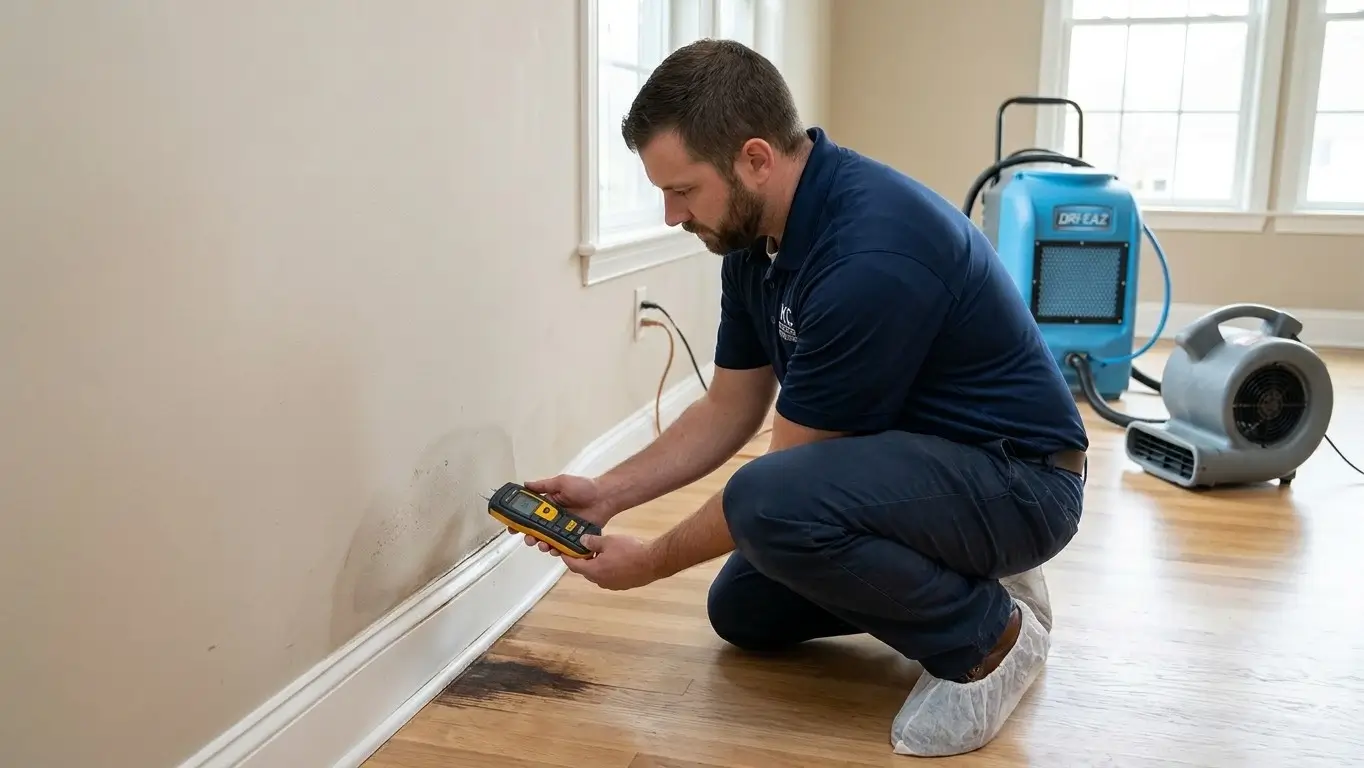
Water damage restoration professional evaluating moisture near a water-damaged interior wall

Evaluating visible damage and checking for concealed moisture helps determine the appropriate water extraction, structural drying, and restoration work after a burst pipe.

Burst Pipe Damage Restoration Service Areas in Kansas City

KC Water Damage Pros provides burst pipe water damage cleanup and restoration support throughout the Kansas City metropolitan area in Missouri and Kansas. A sudden pipe rupture, frozen plumbing line, failed supply hose, or leaking pipe connection can affect floors, drywall, ceilings, insulation, and concealed spaces throughout a property. Our services include emergency water extraction, moisture assessment, structural drying, and cleanup for water damage affecting residential and commercial buildings.

From winter-related pipe bursts in older homes to sudden plumbing failures in commercial properties, water can spread beyond the area where the leak first appears. Restoration needs depend on how much water escaped, how long materials remained wet, and whether moisture reached concealed areas. Prompt evaluation helps identify affected materials and determine whether additional extraction, drying, or moisture monitoring is needed.

  • Kansas City, MO
  • Kansas City, KS
  • Independence, MO
  • Lee's Summit, MO
  • Blue Springs, MO
  • Raytown, MO
  • Gladstone, MO
  • Liberty, MO
  • North Kansas City, MO
  • Grandview, MO
  • Belton, MO
  • Raymore, MO
  • Overland Park, KS
  • Olathe, KS
  • Lenexa, KS
  • Shawnee, KS
  • Leawood, KS
  • Prairie Village, KS
  • Mission, KS
  • Mission Hills, KS
  • Roeland Park, KS
  • Greater Jackson County, MO
  • Greater Johnson County, KS
  • Greater Kansas City Metropolitan Area

If a pipe has burst anywhere in the Kansas City service area, call to discuss the water damage affecting your property. Shutting off the water supply, when it is safe to do so, can help prevent additional water from escaping. Restoration may then involve removing standing water, assessing affected building materials, and drying areas where moisture has spread. For related services, learn more about emergency water extraction, structural drying, and mold prevention.

Frequently Asked Questions About Burst Pipe Damage in Kansas City

Burst pipes can release water into flooring, drywall, ceilings, insulation, and other building materials. These answers explain what to do after a pipe bursts, how water damage restoration works, and what property owners should know about emergency cleanup, structural drying, and insurance considerations in the Kansas City area.

What should I do immediately after a pipe bursts in my Kansas City home?
If it is safe to do so, shut off the main water supply or the affected fixture's water supply to limit additional flooding. Keep people away from standing water near electrical outlets, appliances, or damaged wiring. If water is near electrical equipment, do not enter the affected area or touch wet equipment. Contact a qualified plumber to address the broken pipe and arrange appropriate emergency water extraction and restoration. Photograph visible damage when it is safe to do so.
Does KC Water Damage Pros provide 24/7 burst pipe water damage service?
KC Water Damage Pros provides 24/7 water damage service for urgent situations, including burst pipe damage. If you have a ruptured pipe, interior flooding, or water spreading through your property, call (816) 370-6439 to discuss the situation and confirm service availability.
What causes pipes to burst in Kansas City during winter?
Pipes can freeze when exposed to sufficiently cold temperatures. As water freezes and expands inside a pipe, pressure can build and contribute to a rupture. Vulnerable locations include unheated crawl spaces, exterior walls, garages, attics, and exposed plumbing. Winter cold snaps in the Kansas City area can increase the risk of frozen pipes, making insulation and appropriate cold weather precautions important.
Can a frozen pipe burst even after the weather warms up?
Yes. A frozen pipe may already have developed a crack or other damage that becomes apparent when the ice thaws and water begins flowing again. If a pipe may be frozen, avoid using an open flame or other unsafe heating method to thaw it. If you discover a leak, shut off the water supply if safe and contact a plumber. Any resulting moisture may also require water extraction and structural drying.
What should I do if a pipe bursts inside a wall or ceiling?
Shut off the water supply if possible and stay clear of sagging ceilings, bulging drywall, or other potentially unstable materials. Do not puncture a ceiling or open a wall unless it is safe to do so. Water can travel beyond the visible leak and collect inside wall cavities, insulation, ceiling assemblies, and adjacent rooms. A moisture assessment can help identify affected areas and determine whether drying, controlled material removal, or repairs are necessary.
How much damage can a burst pipe cause overnight?
The extent of damage depends on the pipe's location, the amount of water released, how long the leak continues, and the materials affected. An ongoing leak can soak flooring, drywall, insulation, cabinetry, and belongings, sometimes spreading into rooms below the original failure. Even after the water is shut off, moisture can remain concealed inside building materials. Prompt assessment and appropriate water removal can help limit additional damage.
Does a burst pipe always require professional water extraction?
Not every small plumbing leak requires professional extraction. However, when a pipe releases a substantial amount of water, flooding affects multiple rooms, or water enters flooring and wall cavities, professional assessment and extraction may be appropriate. Visible surface water does not always reveal the full extent of the moisture. The amount of water, affected materials, and length of exposure help determine the necessary restoration steps. Learn more about water extraction services.
Can water from a burst pipe get underneath hardwood floors or laminate?
Yes. Water can seep through seams, edges, gaps, and other openings and accumulate beneath flooring. Hardwood may cup, buckle, or develop other moisture-related damage, while laminate flooring may swell or separate at its joints. Subflooring and underlayment can also become wet. Whether flooring can be dried and retained depends on the product, the amount of water, the duration of exposure, and the extent of the damage. Some materials may require removal or replacement rather than drying in place.
How do I know if water from a burst pipe is trapped behind drywall?
Warning signs may include damp or discolored drywall, bubbling paint, peeling finishes, swollen baseboards, musty odors, or changes in flooring near the affected wall. However, concealed moisture may not produce obvious surface symptoms. Moisture meters and other appropriate assessment tools can help identify wet building materials. If a burst pipe affected a wall or ceiling, do not rely on appearance alone to determine whether the area is dry.
What is the difference between repairing a burst pipe and restoring water damage?
Plumbing repair addresses the source of the leak, such as a ruptured pipe, failed connection, or damaged supply line. Water damage restoration addresses the water released into the building, including standing water, wet materials, and remaining moisture. Depending on the incident, restoration may involve water extraction, moisture assessment, drying equipment, monitoring, and coordination of necessary material repairs. Plumbing repairs may require a separate qualified plumber.
How does structural drying work after a burst pipe?
Structural drying begins with assessing the affected areas and identifying materials that have absorbed water. Depending on the conditions, restoration professionals may use air movers, dehumidifiers, and moisture-monitoring equipment to help remove moisture from suitable building materials. Drying progress is evaluated using appropriate measurements rather than appearance alone. Materials that cannot be adequately dried or that are damaged or contaminated may require removal or replacement. Learn more about structural drying services.
How long does it take to dry a house after a burst pipe?
Drying commonly takes several days, but the timeline varies with the amount of water, the materials affected, indoor conditions, and whether moisture has reached concealed spaces. Wet drywall, insulation, subfloors, and other porous materials may require additional assessment and, in some cases, removal. Moisture readings and the condition of the affected materials help determine when drying is sufficient. A fixed completion time cannot be guaranteed before the damage is assessed.
Can burst pipe water damage cause mold?
Yes. Moisture left in building materials can create conditions that support mold growth. The risk depends on factors such as moisture levels, the materials affected, and how quickly the area is dried. Removing standing water, drying suitable materials promptly, and addressing concealed moisture can help reduce the risk, but cannot guarantee that mold will not develop. If materials remain damp or musty odors persist, further assessment may be appropriate. Learn more about mold prevention after water damage.
What should I do if a burst pipe floods my basement?
If a burst pipe floods your basement, shut off the water supply if it is safe and accessible. Do not enter standing water if electrical outlets, wiring, appliances, or other energized equipment may be submerged. Have the electrical hazard evaluated by a qualified professional before entering an unsafe area. Once access is safe, the response may include water extraction, inspection of affected walls and flooring, and structural drying. If the water may contain sewage or other contaminants, avoid contact and seek appropriate cleanup assistance. For related information, visit our flood cleanup service page.
Is water from a burst supply pipe considered contaminated?
Water from a clean supply line may initially be relatively clean, but its condition can change after contacting dirty flooring, building materials, sewage, or other contaminants. Water from a drain, sewer line, or another contaminated source requires a different response from water released by a clean supply pipe. The source of the water and the conditions in the affected area should be considered when determining appropriate cleanup and protective measures.
Will homeowners insurance cover damage caused by a burst pipe?
Coverage depends on the policy, the cause of the pipe failure, the circumstances of the loss, and any applicable exclusions. Some homeowners policies cover certain types of sudden and accidental water damage from a burst pipe, while damage associated with neglect, ongoing leaks, or specific exclusions may be treated differently. The cost to repair the pipe itself may also be handled differently from the resulting water damage. Review your policy and contact your insurance company or agent to determine what applies to your situation.
What should I document for a burst pipe insurance claim?
When it is safe, photograph and record the visible water damage, the suspected source of the leak, affected rooms, damaged belongings, and any cleanup already completed. Keep receipts for reasonable emergency expenses and maintain records of conversations with your insurer and contractors. Do not delay necessary steps to protect the property simply to obtain photographs. Follow your insurer's instructions about inspections, documentation, and damaged materials, and keep copies of relevant estimates and invoices.
How much does burst pipe water damage restoration cost in Kansas City?
The cost depends on the volume of water, the number of affected rooms, the types of building materials involved, the extent of concealed moisture, and the equipment and labor required. A limited incident may require less work than a pipe rupture that affects multiple floors, insulation, cabinets, or finished flooring. Material removal, reconstruction, and plumbing repairs may be separate expenses. An assessment of the actual damage is needed to develop a meaningful estimate. Call (816) 370-6439 to discuss your situation.
Can I stay in my home after a pipe bursts?
It depends on the extent of the damage and whether the property remains safe to occupy. A small, contained leak may not require you to leave, but significant flooding, electrical hazards, a compromised ceiling, contaminated water, or extensive damage may make an area unsafe. Follow guidance from qualified professionals and emergency responders when applicable. Do not enter areas with suspected electrical hazards or structural instability.
What areas around Kansas City does KC Water Damage Pros serve for burst pipe damage?
KC Water Damage Pros serves the Kansas City metropolitan area, including communities on both the Missouri and Kansas sides. Service areas include Kansas City, MO; Kansas City, KS; Overland Park; Olathe; Lenexa; Shawnee; Leawood; Lee's Summit; Independence; Blue Springs; Liberty; Gladstone; Belton; Grandview; Raymore; Raytown; Mission; Mission Hills; North Kansas City; Prairie Village; and Roeland Park. Call (816) 370-6439 to confirm service availability for your location.
How do I request emergency burst pipe cleanup in Kansas City?
Call (816) 370-6439 to discuss the burst pipe and the resulting water damage. Explain where the pipe failed, whether the water supply has been shut off, which rooms are affected, and whether water has reached walls, ceilings, flooring, or a basement. If it is safe, take steps to stop the water and protect people from electrical hazards while arranging plumbing repair and appropriate water damage restoration. You can also use the quote request section to submit your information.

Need Burst Pipe Damage Restoration in Kansas City?

A burst pipe can send water into flooring, drywall, ceilings, insulation, and other parts of your property before the full extent of the damage becomes visible. KC Water Damage Pros helps Kansas City property owners address burst pipe water damage through water extraction, moisture assessment, and structural drying. Whether a pipe ruptured during freezing weather, a supply line failed, or a plumbing connection suddenly leaked, prompt attention can help limit further moisture damage and identify affected materials that may need additional attention.