Prompt Water Damage Response
Acting quickly after burst pipes, appliance leaks, or flooding can help limit additional damage to your property.
 KC Water Damage Pros
Water Damage Restoration • Water Extraction • Flood Cleanup • Structural Drying
24/7 Emergency Water Damage Service
(816) 370-6439Kansas City Metro Water Damage Restoration • 24/7 Emergency Service • Residential & Commercial Cleanup • Flood Cleanup & Structural Drying
Get help with emergency water extraction, flood damage cleanup, burst pipe water damage, and structural drying in Kansas City. Prompt water removal and professional drying help limit further moisture damage to your property.
Serving homeowners and businesses throughout Kansas City, Overland Park, Lee's Summit, Independence, and nearby Missouri and Kansas communities. We address flooding, plumbing leaks, burst pipes, storm-related water intrusion, and other urgent water damage situations.
24/7 Emergency Response • Water Extraction • Structural Drying
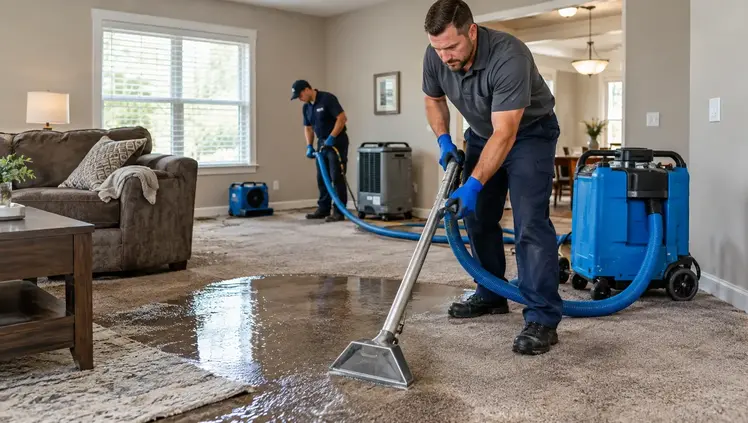
Water damage can extend beyond the area where water first appears. Burst pipes, plumbing leaks, basement flooding, appliance failures, and stormwater intrusion can affect flooring, drywall, subfloors, and other building materials. Identifying the affected areas and addressing moisture promptly are important steps in the cleanup and restoration process.
KC Water Damage Pros provides water damage restoration services for property owners dealing with leaks, flooding, and other water-related damage. Services include water extraction, flood cleanup, and structural drying, with additional cleanup and restoration needs depending on the source of the water and the materials affected.
Serving Kansas City, Missouri, Kansas City, Kansas, and surrounding communities, we help property owners understand the next steps after water damage occurs. Prompt attention to wet materials and concealed moisture can help reduce the risk of further damage and mold growth while preparing the affected areas for necessary repairs.
Water damage restoration involves prompt water removal, thorough drying, and careful assessment of affected materials. Understanding the source and extent of the damage helps determine the appropriate cleanup and restoration steps for your Kansas City property.
Acting quickly after burst pipes, appliance leaks, or flooding can help limit additional damage to your property.
Removing standing water helps address flooding that affects carpets, flooring, baseboards, and other building materials.
Appropriate drying methods help address moisture trapped in drywall, subfloors, framing, and other affected materials.
Evaluating damaged walls, ceilings, flooring, and cabinetry helps identify materials that may need cleaning, drying, or replacement.
Photographs, invoices, and written records can help document property damage and restoration work for an insurance claim.
Basement flooding, sump pump failures, and stormwater intrusion can damage finished spaces, stored belongings, and concealed materials.
Prompt, thorough drying helps reduce the risk of mold growth caused by persistent moisture after water damage.
Depending on the extent of the damage, recovery may involve cleanup, material removal, repairs, or reconstruction.
Identifying whether water came from plumbing, an appliance, roof intrusion, or flooding helps guide appropriate cleanup and determine what needs attention before repairs begin.
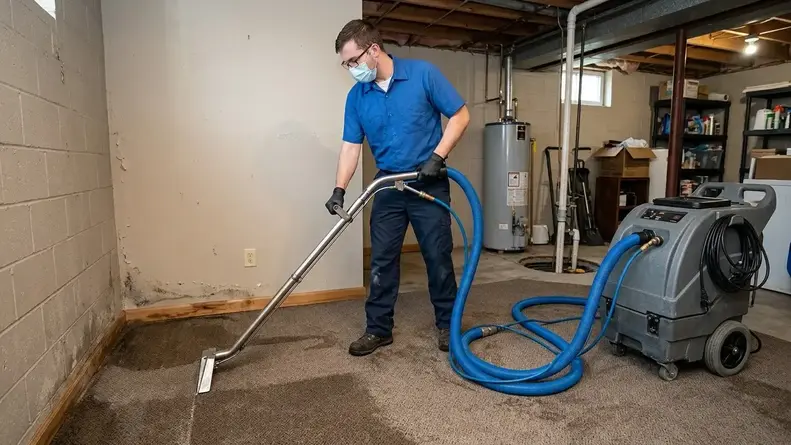
Professional water extraction removes standing water from affected flooring before the necessary drying and restoration work begins.
Water damage is not always limited to the area where a leak first appears. Water can travel behind finished surfaces, beneath flooring, and into concealed building cavities. Recognizing changes in a room after a plumbing leak, basement water intrusion, or storm can help property owners determine when a closer moisture assessment is needed.
Brown or yellow discoloration, bubbling paint, peeling wallpaper, and soft drywall can indicate water intrusion from plumbing, roofing, exterior openings, or another source. A stain may remain visible after the original leak stops, so its appearance alone does not establish whether the material behind it is dry.
Carpet that feels wet, laminate that swells, hardwood that cups, and flooring that separates at its seams can indicate moisture within or beneath a floor assembly. Water may also collect below finished flooring without leaving a large visible puddle.
Water along a basement wall, dampness at the wall-to-floor joint, wet spots near a foundation opening, or recurring puddles after rainfall can point to exterior water entry, drainage problems, plumbing leaks, or a combination of conditions. The entry point should be investigated rather than assuming every basement leak has the same cause.
A lingering earthy or musty odor may indicate damp materials behind furniture, beneath carpeting, inside a wall cavity, or in a basement storage area. Odor alone cannot identify the source, but it can justify checking for concealed moisture and visible signs of mold.
Repeated condensation on windows, damp cabinet interiors, wet areas around plumbing fixtures, or moisture near heating and cooling equipment can have several causes. Distinguishing condensation from a plumbing or exterior leak helps direct the investigation toward the actual moisture source.
Water around outlets, electrical panels, appliances, extension cords, or basement utility equipment creates a potential shock hazard. Do not enter standing water or touch wet electrical equipment. Keep people away and contact the appropriate utility or qualified professional before entering an unsafe area.
Why early assessment matters: The U.S. Environmental Protection Agency advises drying wet or damp materials within 24 to 48 hours when possible to help prevent mold growth. That timeframe is not a guarantee that mold will or will not develop. Water source, contamination, material type, temperature, and drying conditions all matter. Sewage or potentially contaminated floodwater requires additional precautions.
If water damage is suspected, identify and stop the source when it is safe to do so, avoid disturbing potentially contaminated materials, and arrange an appropriate assessment of affected areas.
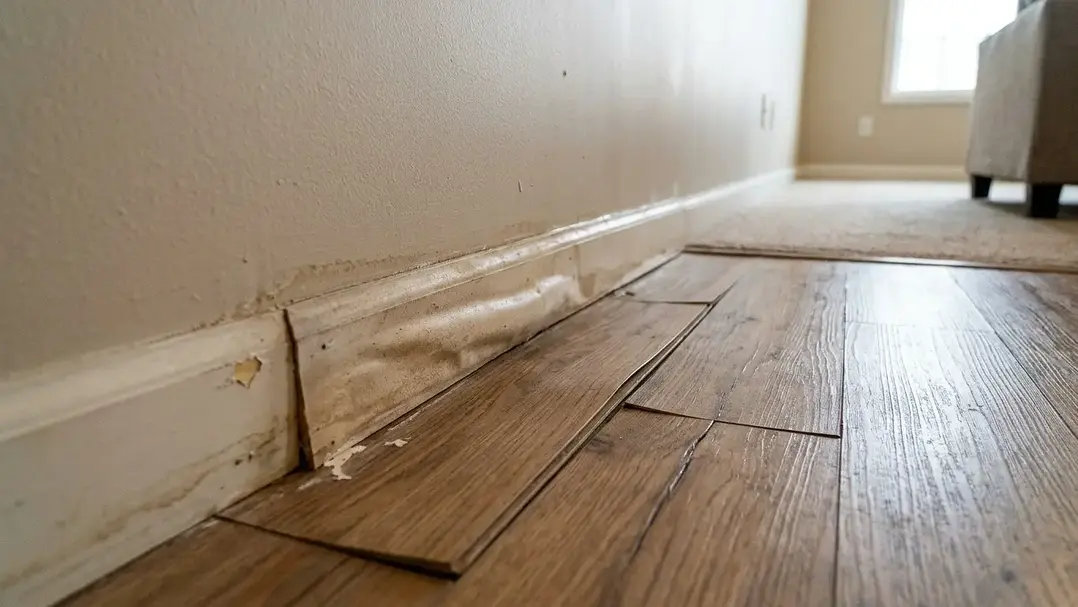
Swollen baseboards, damaged flooring, and discoloration can indicate moisture intrusion that may extend beneath finished surfaces.
Water damage restoration involves more than removing visible water from a property. After a burst pipe, basement flood, appliance leak, storm-related intrusion, or commercial water damage incident, affected materials may retain moisture long after standing water has been removed. Understanding the restoration process helps Kansas City homeowners and property managers recognize the importance of water extraction, moisture detection, structural drying, appropriate cleanup, and repairs based on the extent and source of the damage.
The first step is evaluating the affected areas, identifying the likely source of the water, and determining which materials may have been damaged. Technicians inspect visible water intrusion and look for signs of moisture affecting drywall, flooring, baseboards, insulation, and adjoining rooms. The findings help establish priorities for emergency water mitigation, extraction, moisture monitoring, and any additional work needed to address the property's specific conditions.
Before restoration can proceed effectively, the source of the water needs to be stopped or controlled whenever possible. This may involve shutting off a leaking plumbing line, arranging necessary repairs, or addressing continued water intrusion. Restoration crews then use appropriate extraction equipment to remove standing water from flooded basements, carpeted rooms, hard flooring, and other affected spaces. Prompt extraction limits continued exposure and prepares the property for the next stages of water damage mitigation.
Water can spread beneath flooring, behind walls, and into building materials beyond the visibly damaged area. Moisture meters and other suitable inspection tools help identify damp materials and determine where additional drying may be necessary. This step is especially important after basement flooding, burst pipes, and leaks that have gone undetected. Identifying hidden moisture helps guide equipment placement and reduces the chance of overlooking affected areas during the restoration process.
After standing water has been removed, professional air movers and commercial dehumidifiers may be used to help dry affected building materials. Equipment placement and drying methods depend on the moisture levels, material types, indoor conditions, and extent of the damage. Technicians monitor drying progress and adjust the approach when needed. Thorough structural drying helps address residual moisture that water extraction alone cannot remove and reduces conditions that can contribute to mold growth and further material deterioration.
Affected surfaces, belongings, and building materials must be evaluated to determine whether they can be cleaned and restored or require removal and replacement. The appropriate response depends on the source and contamination level of the water, how long materials remained wet, and the type and extent of damage. A clean-water plumbing leak may require a different approach from a sewage backup or other contaminated water incident. Proper evaluation helps guide cleanup, material handling, and any necessary repairs.
Follow-up inspections and moisture readings help determine whether affected materials have reached appropriate drying targets. Once mitigation and drying requirements have been addressed, remaining restoration work can be planned according to the damage. Depending on the property, this may include replacing drywall, repairing flooring, repainting, replacing damaged trim, or coordinating other reconstruction work. Documenting drying progress and identifying outstanding repairs helps property owners understand what remains before affected spaces can be returned to service.
Removing standing water is only one part of addressing water damage. Moisture can remain trapped in flooring, wall cavities, and other building materials even when the visible surface appears dry. A coordinated restoration process helps identify affected areas, guide appropriate drying, and determine which materials can be retained and which may require repair or replacement.
Every property requires an approach suited to its specific conditions. Whether you are dealing with a flooded basement, a burst pipe, a leaking appliance, storm-related water intrusion, or damage at a commercial building in Kansas City, the source of the water, contamination level, affected materials, and duration of exposure all influence the work required. A thorough assessment helps establish the appropriate next steps from emergency water mitigation through cleanup and repairs.
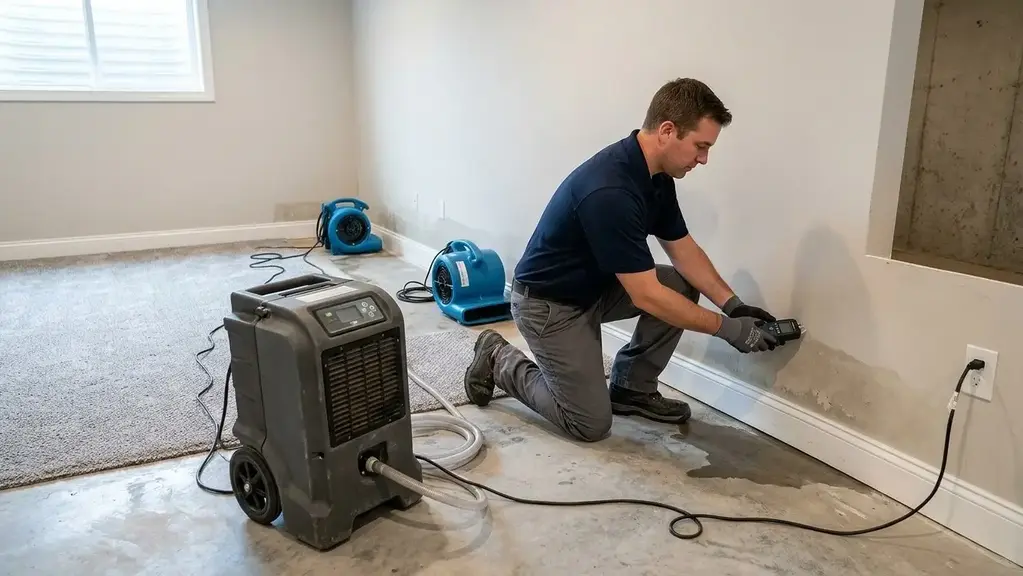
Water damage restoration may involve moisture assessment, water removal, and controlled drying of affected building materials.
Water damage can extend beneath flooring, behind walls, and into other building materials even after standing water is removed. Prompt water extraction, appropriate structural drying, and careful assessment help determine what is needed to restore your property after a burst pipe, flooded basement, appliance leak, or stormwater intrusion.
Call (816) 370-6439When heavy rain coincides with basement seepage, a sump pump problem, or water collecting near a foundation, the visible water may be only one part of the problem. Kansas City area property owners should consider where runoff travels, how water is directed away from the building, and whether the intrusion follows a repeatable pattern.
Water appearing in a basement does not automatically mean the foundation itself has failed. Depending on the property, moisture may enter through foundation cracks, wall-to-floor joints, below-grade window openings, utility penetrations, or other vulnerable points. Plumbing leaks and water from equipment can produce similar symptoms without any connection to rainfall.
Record where water first appears and whether the problem follows rainfall, appliance use, plumbing activity, or a power interruption. That information can help distinguish a recurring exterior water problem from an interior plumbing failure.
If dampness or puddling repeatedly appears after a storm, inspect exterior drainage conditions when it is safe. Look for downspouts discharging beside the foundation, low areas where runoff collects, clogged drainage paths, and window wells that retain water. These observations can help identify conditions that warrant further evaluation.
A failed pump, interrupted power supply, obstructed discharge, or overwhelmed drainage system can leave water accumulating in a basement. If the pump stops operating or cannot keep up, note the water level and affected area. Do not enter standing water to inspect a pump or electrical connection.
Damp foundation walls, water near a basement window, or recurring wet spots at a wall-to-floor joint can help narrow down where intrusion is occurring. Photographs taken during and after the event can help a qualified professional compare the location and pattern of water entry.
Roof runoff concentrated beside the building can contribute to water accumulation near foundation walls. Check whether gutters and downspouts are functioning and whether discharge is directed away from the foundation without creating a new drainage problem for neighboring property or public areas.
Extracting water addresses the immediate interior loss, but it does not necessarily correct the condition that allowed water to enter. If the same corner, wall, window well, or floor joint becomes wet after successive storms, document the pattern and consider an appropriate drainage, foundation, plumbing, or waterproofing evaluation.
Restoration and water-entry prevention are separate tasks. Drying affected building materials can help address the current loss, while correcting the source may require work outside the restoration scope. Clarifying that distinction helps prevent a cleanup visit from being mistaken for a permanent solution to recurring basement seepage.
Safety first: Do not enter a flooded basement if electrical equipment may be energized, the building appears structurally unsafe, or floodwater may be contaminated. Keep clear of the water and arrange appropriate emergency or professional assistance before entering.
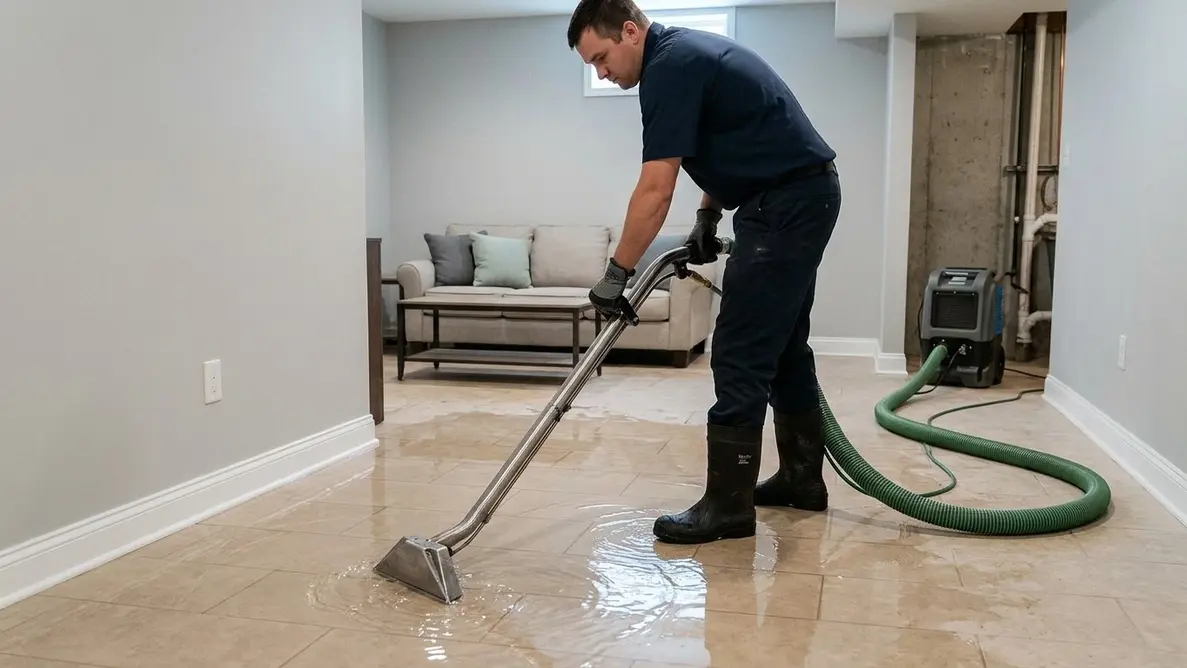
Emergency water extraction removes standing water from affected basement floors before the remaining moisture is assessed and dried.
Basement water damage in the Kansas City area does not always begin with a broken pipe or a visibly flooded yard. Water may enter around basement windows, collect at a foundation wall, seep through a floor joint, rise through a floor drain, or spread across a lower level after a sump pump stops working. Identifying where the water appeared, when it appeared, and whether the problem coincided with heavy rainfall helps establish what needs to be investigated before cleanup and restoration can be planned.
Damp foundation walls, wet spots near the wall-to-floor joint, and recurring seepage after rain can indicate that water is accumulating around the foundation or moving through openings in the building assembly. Look for patterns in the affected areas, but do not assume that a visible crack identifies the complete cause. Interior cleanup can remove water and address resulting moisture; persistent entry may require a separate foundation, drainage, or waterproofing assessment.
Water near a below-grade window may be associated with a blocked window-well drain, damaged seals, a poorly fitted cover, or runoff collecting beside the opening. Record which window or wall was affected and whether water was visible outside. Wet carpet, drywall, trim, and stored belongings may still need assessment after the visible water has been removed.
During a heavy Kansas City rainstorm, roof runoff and water moving across a yard can collect beside a home if the drainage pattern directs water toward the foundation. After conditions are safe, observe whether downspouts discharge near the house, whether water ponds beside basement walls, and whether the ground slopes toward a low entry point. Correcting exterior drainage is separate from extracting water already inside.
A basement may flood when a sump pump fails, loses power, cannot keep up with incoming water, or has a discharge problem. If water remains in the basement, prioritize electrical and structural safety rather than entering the area to inspect equipment. Once access is safe, record the water level, affected rooms, and any known pump or power failure. A plumber or qualified drainage professional may need to address the underlying problem.
Water or wastewater emerging from a basement floor drain is different from water entering through a wall or window. If the water has an unusual odor, contains visible waste, or appears to be backing up through plumbing, keep people and pets away and treat the situation as potentially contaminated. Do not assume that ordinary water extraction is sufficient. A qualified plumbing or sewer professional may be needed to investigate the source, while appropriate cleanup addresses affected interior materials.
Water can spread beneath carpet, laminate, vinyl flooring, finished basement walls, cabinets, and stored items. The visible wet area may be smaller than the area containing moisture. Restoration assessment may therefore include moisture measurements and inspection beyond the initial puddle. Whether materials can be dried in place or need to be removed depends on the materials, exposure, contamination, and findings during the assessment.
Once the property is safe to enter, note whether the water appeared during a rainstorm, shortly afterward, during a plumbing failure, or without an obvious trigger. Record the first areas affected, the highest visible water line, whether a floor drain was involved, and whether the same location has become wet during previous storms. These details help restoration and repair professionals understand the reported conditions without treating a single symptom as a confirmed diagnosis.
Kansas City Water Services explains that local flooding can occur through different pathways, including surface runoff, groundwater, floodplain flooding, and sewer backup. A property outside a mapped floodplain can still experience other types of water intrusion. Review the city's stormwater and flooding guidance for additional background on local flood mechanisms.
Water extraction, removal of damaged materials, and structural drying address the effects of water inside a property. They do not automatically correct a failed sump pump, blocked drain, damaged pipe, roof leak, foundation opening, or exterior drainage problem. Depending on the findings, follow-up work may involve a plumber, sewer professional, roofer, foundation specialist, or drainage contractor.
If the basement has extensive flooding, visibly displaced walls, a sagging ceiling, exposed electrical equipment, or other serious hazards, stay clear and seek qualified assistance. Do not enter standing water to inspect a drain, pump, or electrical system. Addressing safety and the source of the water comes before ordinary cleanup.
For water that has already entered the property, see our flood cleanup services, water extraction services, and structural drying services for more information about the interior restoration process.
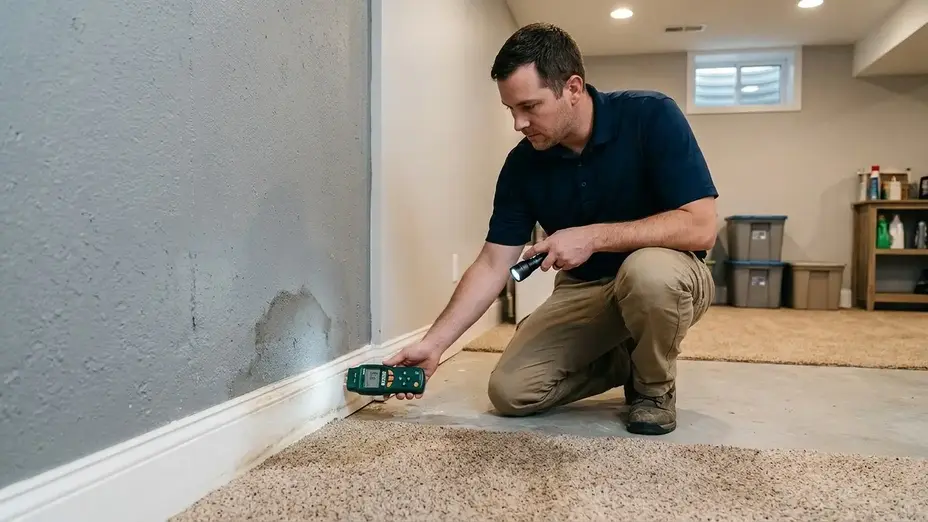
Basement water intrusion can affect foundation adjacent finishes, baseboards, flooring, and concealed materials that need assessment after flooding.
KC Water Damage Pros provides water damage restoration, emergency water extraction, flood cleanup, and specialized property cleanup throughout the Kansas City metropolitan area. From flooded basements and frozen pipes to stormwater intrusion, sewage backups, and hidden moisture, each situation requires appropriate assessment, cleanup, and drying methods based on the water source and materials affected.
Removal of standing water from flooded basements, finished lower levels, utility rooms, and water-damaged living spaces. Extraction addresses plumbing leaks, broken supply lines, appliance failures, and other water intrusions before continued saturation affects carpet, flooring, subfloors, and surrounding building materials.
Cleanup following basement flooding, heavy rainfall, stormwater intrusion, and foundation seepage. Kansas City thunderstorms and rapid surface runoff can introduce water through below-grade openings and vulnerable foundation areas. Cleanup includes evaluating water contamination, affected materials, standing water, and surfaces requiring cleaning, drying, or removal.
Targeted drying for moisture absorbed into drywall, insulation, framing, subfloors, and other building materials. Appropriate air movement, dehumidification, and moisture monitoring help address water trapped inside wall cavities, beneath flooring, and around baseboards where visible surface drying may not indicate that the underlying materials are dry.
Cleanup following frozen pipes, ruptured plumbing lines, failed supply connections, and leaking fittings. Kansas City winter freezes can put plumbing in exterior walls, garages, crawl spaces, and unheated areas at risk. Water can migrate through insulation, wall cavities, and flooring, requiring extraction and evaluation of concealed moisture beyond the original leak.
Moisture assessment and drying measures following leaks, plumbing failures, and flooding. Damp drywall, carpet padding, insulation, and wood framing can support mold growth when moisture remains. Identifying affected materials, addressing the water source, and reducing excess moisture helps limit conditions favorable to mold development.
Specialized cleanup involving blood, bodily fluids, biological contamination, and potentially infectious materials. Situations may include unattended death scenes, trauma incidents, and contaminated property surfaces. Appropriate precautions, affected material handling, cleaning, disinfection, and regulated waste disposal depend on the contamination and extent of exposure.
Assessment of soot deposits, smoke residue, persistent odors, and water damage associated with firefighting. Fire suppression water can affect flooring, drywall, insulation, and contents beyond the immediate fire area. Restoration considerations include evaluating affected surfaces, smoke contamination, and materials requiring specialized cleanup.
Cleanup following sewer line backups, overflowing toilets, and contaminated wastewater intrusions. Sewage can affect basement flooring, bathrooms, finished lower levels, and surrounding building materials. Unlike ordinary plumbing leaks, sewage requires protective handling, evaluation of porous materials, appropriate cleaning and disinfection, and proper disposal of contaminated waste.
Odor source assessment and deodorization for persistent smells associated with water damage, damp materials, sewage, and smoke residue. Odors may originate from wet carpet padding, contaminated flooring, porous contents, or affected wall materials. Effective treatment addresses the underlying source rather than simply masking unpleasant smells.
Initial response to unexpected water intrusion affecting Kansas City homes, businesses, and rental properties. Priorities include identifying the water source, recognizing electrical or structural hazards, evaluating affected areas, and determining whether water extraction, specialized cleanup, or structural drying is needed. Prompt attention helps limit additional property damage.
Water damage restoration depends on the source of the water, its contamination level, and the building materials affected. A burst pipe may require extraction and structural drying, while stormwater intrusion or sewage backups can involve additional contamination concerns. Smoke residue, biological hazards, and persistent odors also require different cleanup considerations. Evaluating these conditions helps determine the appropriate restoration priorities for each property.
Commercial water damage can interrupt business operations, damage inventory, affect tenants, and create moisture problems inside walls, ceilings, flooring, and building materials. Kansas City Water Damage Pros helps commercial property owners, facility managers, landlords, and business operators address water intrusion, emergency water extraction, structural drying, and flood cleanup needs throughout the Kansas City metropolitan area.
Water from broken supply lines, leaking plumbing connections, failed fixtures, and burst commercial pipes can spread through offices, restrooms, utility rooms, and adjoining tenant spaces. Prompt commercial water extraction and professional structural drying help limit additional damage to floors, walls, and interior finishes.
Heavy Kansas City rainfall, roof leaks, damaged flashing, and stormwater intrusion can introduce moisture into ceilings, insulation, wall cavities, and occupied commercial spaces. Commercial flood cleanup and moisture assessment help identify affected materials and determine where additional drying is needed.
Warehouse flooding and water intrusion can affect stored products, packaging, concrete floors, loading areas, equipment, and building materials. Water removal and structural drying should account for the affected areas, moisture conditions, access requirements, and the need to protect salvageable contents.
Leaks and localized flooding in retail stores, professional offices, restaurants, and other commercial interiors can damage carpeting, ceiling tiles, drywall, and furnishings. Commercial water damage cleanup focuses on removing standing water, identifying wet materials, and supporting an organized drying and restoration plan.
Plumbing failures, overflowing fixtures, and water leaks can affect multiple apartments, shared hallways, ceilings, and units below the original source. Multifamily water damage restoration requires attention to moisture migration, affected units, shared building materials, and coordination with property management.
Water can remain inside drywall, baseboards, flooring assemblies, insulation, and other concealed building materials after visible water has been removed. Commercial structural drying uses appropriate drying equipment and moisture monitoring to help assess drying progress and reduce the risk of lingering moisture problems.
Whether a property experiences a broken pipe in an office, a flooded commercial basement, a leaking roof in a retail building, or water intrusion across multiple apartment units, the appropriate response depends on the source, extent, and category of water damage. Commercial property owners and managers should address active water sources, assess affected materials, and arrange appropriate cleanup and drying without unnecessary delays.
Explore our water extraction services, structural drying services, and flood cleanup services for more information about water removal and drying after a leak or flooding event. For help with a commercial water damage concern in Kansas City, call (816) 370-6439 or submit a request through our water damage quote form.
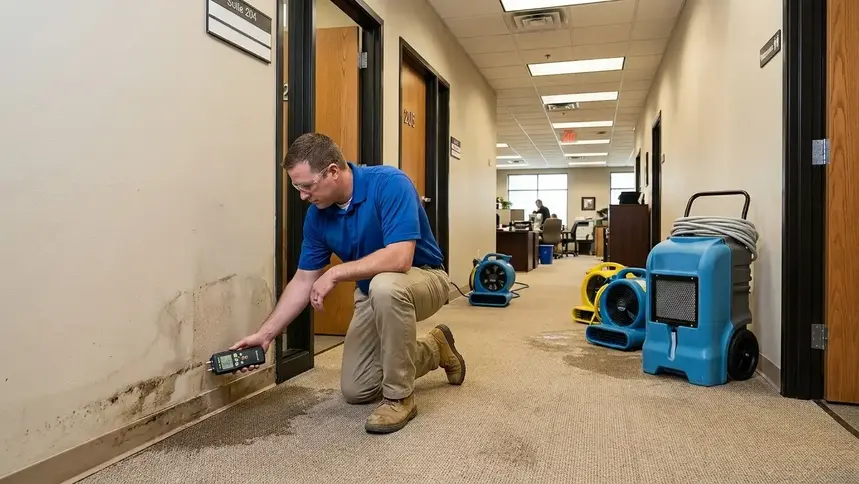
Commercial water damage restoration may involve water removal, moisture assessment, and controlled drying of affected building materials.
Water intrusion in offices, retail spaces, warehouses, and multifamily properties can damage building materials, inventory, equipment, and occupied areas. Prompt water extraction, appropriate structural drying, and careful moisture assessment help determine the work needed to address the damage and support the recovery of your commercial property.
Call (816) 370-6439Winter water damage can begin with a frozen pipe, a failed plumbing connection, or a leak that goes unnoticed while a property is unoccupied. When water escapes inside a home, it can spread beneath flooring, into finished basement walls, through ceilings, and into adjoining rooms before the full extent becomes visible. Kansas City property owners should consider not only the location of a suspected pipe failure, but also the building materials and rooms that may have been affected by the escaping water.
During Kansas City's winter cold snaps, exposed plumbing, pipes near exterior walls, and water lines in unheated areas deserve particular attention. A burst pipe can affect more than the immediate plumbing location, making prompt water shutoff, plumbing repairs, and a careful assessment of interior moisture important steps in limiting further property damage.
A burst pipe does not always leave a large puddle directly beneath the damaged connection. Water from a frozen plumbing line can travel along framing, behind cabinets, through wall cavities, beneath flooring, and between levels of a home. A leak on an upper floor may cause ceiling water damage, wet drywall, or damp insulation below it, while a plumbing failure in a basement, utility room, or crawl space may affect concealed building materials. Water extraction and structural drying may be necessary even after standing water has been removed, depending on the materials affected and the extent of moisture migration.
In some cases, a pipe may appear intact while frozen and begin leaking after temperatures rise or the ice blockage thaws. If a property was cold for an extended period, do not assume that the absence of a visible leak means the plumbing system and surrounding materials are unaffected. Look for new moisture, water sounds, ceiling discoloration, damp cabinets, or unexpected changes in water pressure when it is safe to do so.
Plumbing near exterior walls, unheated spaces, or areas exposed to cold air may warrant closer attention during freezing conditions. After a suspected failure, tell the restoration professional where the leak was first noticed and whether adjoining rooms or lower floors show signs of water migration. Moisture may extend beyond the room where the pipe is located.
Empty houses, seasonal residences, rental units between tenants, and buildings with interrupted heat may develop leaks without anyone noticing immediately. When a property is reopened, inspect accessible areas for standing water, damp flooring, stained ceilings, and unusual odors. Do not enter if flooding has created electrical, structural, or other serious hazards.
If water appears after a cold period, shut off the water supply if the shutoff can be reached safely and contact a qualified plumber to investigate the plumbing failure. Never use an open flame to thaw a frozen pipe. If the pipe is inaccessible or you suspect it has cracked, seek professional guidance rather than attempting an unsafe repair. Once the source is controlled, affected building materials may still require extraction, moisture inspection, and drying.
Water from an upper-floor bathroom, laundry area, or supply line can affect ceilings, light fixtures, walls, and flooring below. In a rental or multi-unit property, notify the appropriate property manager and identify any adjoining units that may have been affected. Keep people away from wet electrical fixtures and other unsafe areas until they have been assessed.
After emergency cleanup, ask the appropriate plumbing or building professional whether the original failure suggests a need for additional pipe protection, insulation, heating adjustments, maintenance, or a review of vulnerable plumbing locations. Prevention recommendations depend on the property's construction and the actual cause of the failure. Water damage restoration alone does not eliminate the risk of another plumbing leak.
Water damage cleanup and plumbing repairs are related but different tasks. A plumber addresses the failed pipe or connection, while restoration work addresses water that escaped into the building. Depending on the extent of the damage, repairs to drywall, insulation, flooring, cabinetry, or other finishes may follow after the affected areas have been appropriately assessed and dried.
Whether you are dealing with a burst water pipe, a winter plumbing leak, ceiling water damage, or hidden moisture beneath flooring, the appropriate cleanup depends on where the water traveled and which materials were affected. Prompt assessment can help identify areas that need water extraction, structural drying, or further inspection before repairs begin.
Learn more about burst pipe water damage cleanup, water extraction, and structural drying for the next steps after a plumbing-related water emergency.
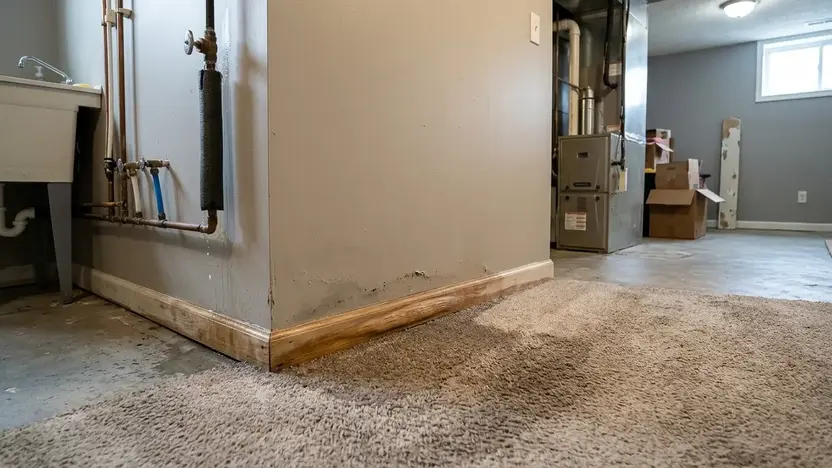
Frozen or burst pipes can release water into walls, flooring, ceilings, and adjoining rooms, requiring assessment beyond the visible leak.
The first decisions after a leak or flood can affect personal safety, the extent of the damage, and the records available for an insurance claim. Whether you are dealing with a burst pipe, an overflowing appliance, a flooded basement, a roof leak, or stormwater entering your Kansas City area property, focus on safety, water source control, and prompt mitigation before moving belongings or attempting cleanup.
Stay out of standing water if electricity may be present. Do not touch wet outlets, electrical panels, appliances, cords, or other electrical equipment. If the breaker panel cannot be reached safely, do not attempt to shut off power yourself. Leave areas with suspected structural damage, a sagging ceiling, or other serious hazards and contact emergency services or a qualified professional as needed.
If a burst pipe, leaking fixture, water heater, or appliance supply line is responsible and the shutoff can be reached safely, stop the water supply. For roof leaks, stormwater intrusion, or exterior flooding, avoid hazardous roof, ladder, and floodwater work. A plumber, roofer, or other qualified professional may need to correct the original source before repairs can be completed.
When it is safe, take photographs or videos of standing water, affected rooms, wet flooring, damaged drywall, ceiling stains, baseboards, furniture, appliances, and the apparent source. Capture the overall room as well as close-up details. Record when you discovered the problem and the areas affected. Do not delay urgent water extraction or put yourself at risk to obtain photographs.
If conditions are safe, move unaffected furniture, electronics, documents, and valuables away from the affected area. Protect clean belongings from contact with wet materials and potentially contaminated water. Avoid carrying wet items through unaffected rooms if doing so could spread contamination. Photograph damaged belongings before discarding them when practical, and keep an inventory of items that may need cleaning, repair, or replacement.
Record when the water damage was discovered, where water was found, what may have caused it, and what actions have already been taken. Keep photographs, damaged-item lists, receipts for emergency mitigation, and records of temporary protection or repairs. Contact your insurer promptly and follow its documentation instructions. Coverage can vary depending on the cause of the loss and the terms of your policy, particularly for flooding, sewer backups, and ongoing groundwater seepage.
When arranging water damage restoration in Kansas City or the surrounding Missouri service area, describe the property location, suspected water source, affected rooms, approximate time the damage began, and whether water is still present. Mention a finished basement, crawl space, sewage backup, roof leak, sump pump failure, or recurring basement seepage when relevant. Explain whether the water may be contaminated so the restoration provider can determine what precautions and assessment may be needed.
Floodwater may contain sewage, chemicals, fuel, sharp debris, or other contaminants. Sewage backups also require precautions beyond ordinary clean-water cleanup. Keep children and pets away from affected areas, avoid direct contact with potentially contaminated water, and do not begin ordinary household cleanup until the hazards have been assessed. Avoid using household fans to move air across contaminated water or materials before determining that the affected area is safe for that type of drying.
If a basement has flooded extensively, do not assume that pumping out all the water immediately is always safe. Saturated soil outside foundation walls can create pressure differences that may contribute to structural damage in some circumstances. Follow applicable emergency guidance and seek qualified advice if the basement walls, foundation, or structural stability may be affected.
If flooding has affected a private drinking-water well, do not assume the water is safe to drink. Follow guidance from the appropriate public health authority regarding well disinfection and testing. Flooding may also affect septic systems and other utilities. A restoration contractor's interior cleanup does not establish that a private drinking-water supply is safe.
Water can travel beyond the visibly wet area and soak carpet padding, subfloors, drywall, insulation, cabinetry, and other building materials. Removing standing water does not necessarily mean the structure is dry. Wet materials may require professional water extraction, moisture measurements, dehumidification, and controlled air movement to support thorough drying.
Prompt drying helps reduce the risk of mold growth and additional moisture damage. The U.S. Environmental Protection Agency recommends drying wet materials within 24 to 48 hours when possible. This is a prevention guideline, not a guarantee that mold will or will not develop. Some porous materials may need removal rather than cleaning and drying, particularly after sewage contamination or extensive water intrusion.
Do not simply paint over water stains, install new flooring over damp subfloors, or close wet wall cavities without determining whether the affected materials have dried adequately. Persistent musty odors, bubbling paint, swollen baseboards, buckling flooring, and recurring ceiling stains can indicate unresolved moisture that needs further investigation. Restoration may address the interior damage, while a plumber, roofer, drainage specialist, or other qualified contractor may be needed to correct the original source.
Kansas City area property owners can consult the following official resources for additional guidance on flood cleanup, household safety, and private drinking-water wells affected by flooding:
Missouri Department of Health and Senior Services flood cleanup instructions provide state-specific information about cleaning up after flooding and reducing exposure to potential hazards.
Missouri Department of Natural Resources guidance for private wells affected by flooding provides additional information for property owners whose private drinking-water wells may have been exposed to floodwater.
These resources provide general safety and cleanup guidance. The appropriate response for a specific property depends on the water source, extent of damage, affected materials, and any applicable public-health or building-safety requirements.
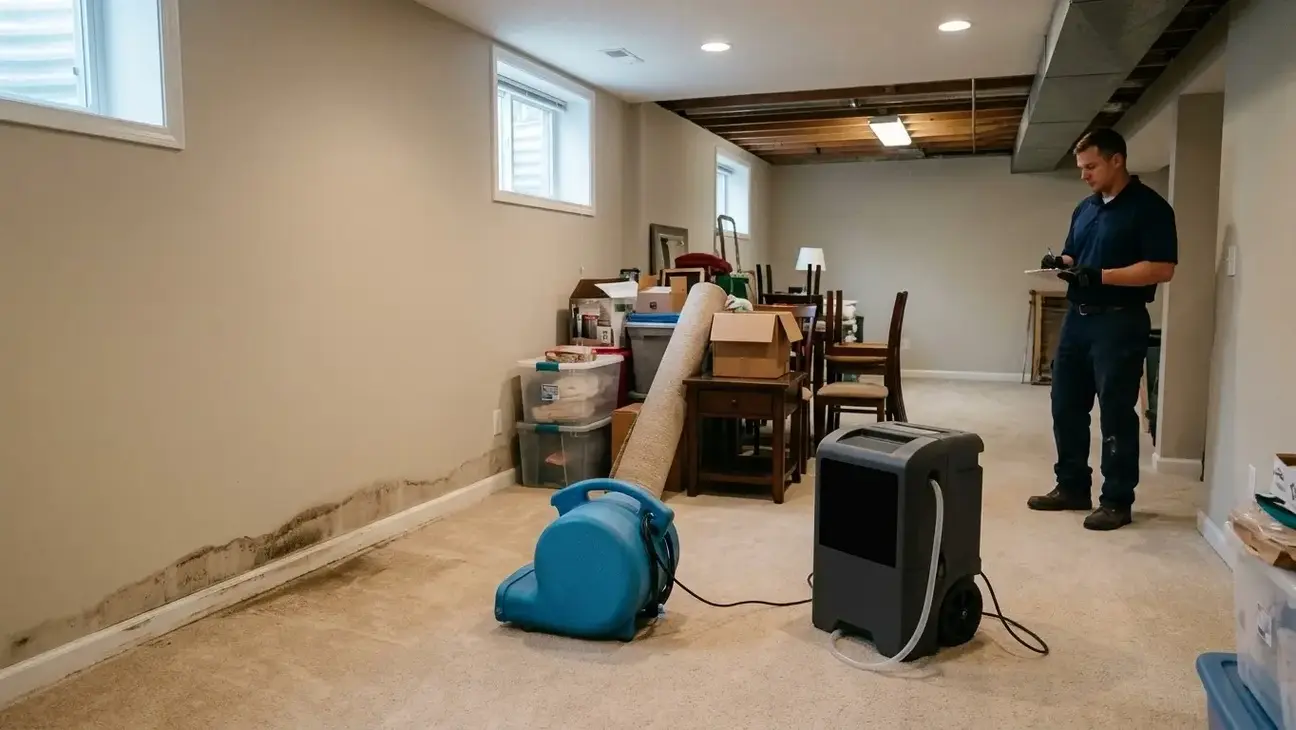
Professional water damage cleanup may involve removing moisture from affected materials, protecting undamaged belongings, and using drying equipment to help restore the basement.
Water damage restoration costs in Kansas City vary depending on the size of the affected area, the source of the water, the materials involved, and the extent of the damage. A minor plumbing leak may require localized cleanup and drying, while a flooded basement or extensive water intrusion may require water extraction, structural drying, damaged material removal, and additional repairs.
Every water damage situation requires an assessment of the affected areas to determine the appropriate restoration work. From burst pipes and appliance leaks to basement flooding and stormwater intrusion, understanding the scope of the damage helps establish a suitable cleanup plan and a more accurate estimate for your Kansas City property.
$500–$1,500+
Suitable for smaller water damage incidents involving limited plumbing leaks, appliance overflows, or localized moisture. Cleanup may include water removal and targeted drying, depending on the affected materials and extent of the damage.
$500–$2,000+
Standing water from plumbing failures, appliance leaks, or localized flooding may require professional water extraction. The amount of water, affected square footage, and accessibility of the flooded areas influence the work required.
$500–$2,500+
Drying services help address moisture in flooring, drywall, subfloors, and other affected building materials. Equipment requirements, drying duration, and moisture conditions influence the overall restoration cost.
$1,500–$5,000+
Basement flooding caused by sump pump failures, plumbing leaks, or stormwater intrusion can affect finished walls, carpeting, storage areas, and concealed materials. Extensive flooding or contaminated water may require additional cleanup measures.
$1,000–$5,000+
Burst pipes and failed plumbing connections can release water into multiple rooms or beneath finished surfaces. Restoration may involve water extraction, structural drying, and removal of building materials that cannot be adequately restored.
$2,000–$10,000+
Properties with extensive water damage may require replacement of drywall, insulation, flooring, cabinetry, or other finishes. Repair and reconstruction costs depend on the affected areas, material selections, and overall project scope.
Water damage restoration costs in Kansas City depend on the source of the water, the extent of the damage, and the cleanup, drying, and repair work required. These ranges are general planning estimates, not guaranteed quotes. A property-specific assessment is needed to determine the appropriate scope and final project cost.
Dealing with water damage at your Kansas City home or commercial property? Tell us what happened, where the damage occurred, and whether water is still present. Contact KC Water Damage Pros to discuss the situation and the next steps for addressing the damage.
For urgent water damage, call (816) 370-6439 to discuss your situation.
After water damage affects a home or commercial property, owners often need to coordinate emergency cleanup, document damaged materials, review restoration estimates, and communicate with their insurance company. Thorough documentation helps establish the conditions observed, explain the work being recommended, and maintain an organized record throughout the restoration process. In Kansas City, where properties may experience plumbing failures, basement water intrusion, heavy rainfall, and other sources of water damage, understanding these steps can help property owners make informed decisions about mitigation and repairs.
Water damage restoration involves more than removing visible water. Moisture can affect drywall, insulation, flooring, baseboards, cabinetry, framing, and other building materials beyond the area where water first appeared. The appropriate response depends on the source of the water, how far it has spread, how long materials have been wet, and the conditions identified during inspection. Photographs, written observations, restoration estimates, and available moisture records help create a clearer picture of the damage and the work required.
A water damage restoration estimate should identify the proposed services and the areas of the property they address. Depending on the conditions, the scope may include water extraction, removal of unsalvageable materials, placement of drying equipment, moisture monitoring, cleaning, or repairs. Not every water damage event requires every service. The recommended approach should reflect the source of the water, affected materials, observed conditions, and findings from the inspection.
Property owners should also understand the difference between mitigation and reconstruction. Mitigation focuses on addressing the immediate effects of water damage, such as removing water, managing moisture, and handling affected materials. Reconstruction restores building components that require repair or replacement after the mitigation work. These activities may involve different work scopes, timelines, estimates, or contractors, so confirming what is included can help prevent misunderstandings.
Water damage insurance coverage depends on the circumstances of the loss and the specific terms of the policy. A sudden plumbing failure may be treated differently from gradual seepage, unresolved maintenance problems, groundwater intrusion, or flooding from outside the home. Policy exclusions, endorsements, deductibles, and other provisions can affect the outcome. Property owners should not assume that all water damage is covered or that all basement flooding is excluded without reviewing the applicable policy.
Report the damage to your insurance company and ask how to proceed with necessary mitigation, documentation, and estimates. Keep copies of communications and clarify whether the insurer requires an inspection or specific records. Restoration professionals can explain observed damage and the work they recommend, but they cannot guarantee claim approval or independently determine what the policy will cover. Questions about coverage and reimbursement should be directed to the insurer.
Important: Do not delay urgent safety measures or necessary water damage mitigation solely to complete paperwork. Avoid affected electrical areas and potentially contaminated floodwater, and seek qualified assistance when conditions may be unsafe. Document the damage when practical, contact your insurance company as soon as possible, and retain available records of the mitigation work.
Effective water damage restoration starts with understanding the source of the water, assessing affected materials, and selecting appropriate mitigation and drying procedures. For Kansas City homeowners and commercial property owners, organized documentation, a clearly explained scope of work, and communication with qualified restoration professionals can help make the process more manageable. Addressing the original source of the water and documenting the resulting cleanup are both important parts of protecting the property and planning any necessary repairs.
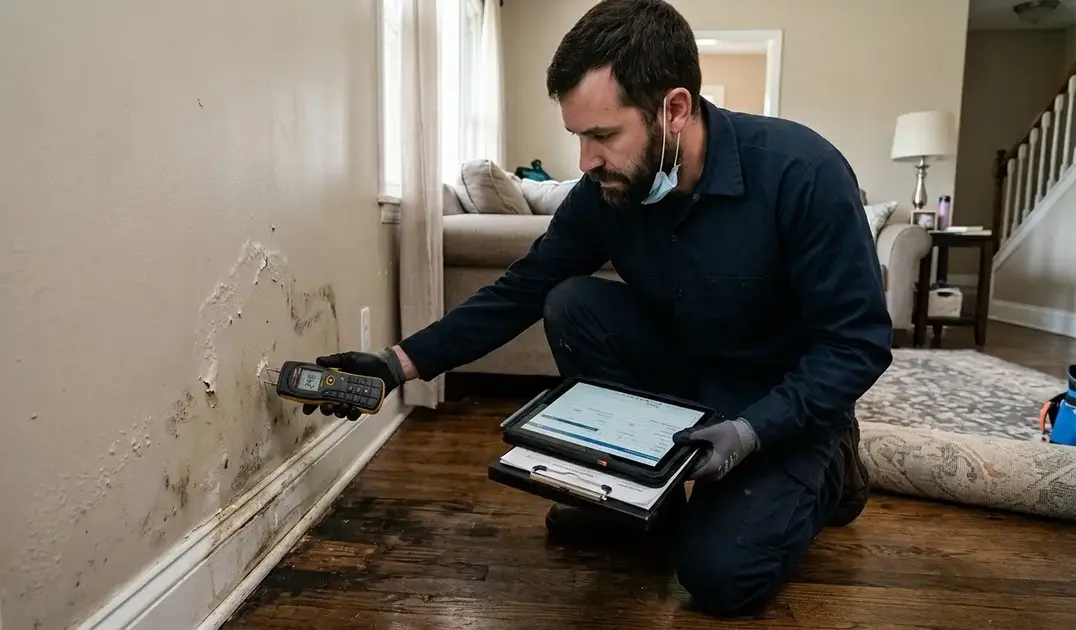
Photographs, inspection findings, and moisture records can help property owners organize restoration documentation and review the proposed scope of work.
Water damage can affect concealed building materials, require professional drying, and involve several steps to document the restoration work. Whether you're dealing with a burst pipe, basement water intrusion, or a leaking appliance, prompt assessment, water extraction, and moisture monitoring can help establish the appropriate next steps. Call to discuss the damage to your property and the restoration services that may be needed.
Call (816) 370-6439When a home or business experiences water damage, property owners may need emergency water removal and cleanup before they know the full extent of the damage. Comparing water damage restoration companies on price alone can leave important questions unanswered. What work is included? How will hidden moisture be assessed? Which materials may require removal? Who will repair the original leak? Whether you need burst pipe cleanup, basement flood restoration, or structural drying, understanding the proposed scope of work helps you compare estimates and make an informed decision.
Property owners throughout Kansas City, Missouri, Kansas City, Kansas, and surrounding communities may encounter different restoration needs depending on the source of the water and the building materials affected. A plumbing leak, storm-related intrusion, or suspected sewer backup can require different precautions and follow-up work. Before authorizing water mitigation services, ask the provider to explain the observed damage, recommended work, and responsibilities that may fall outside the restoration scope.
Ask which rooms, materials, and services are included in the estimate. Confirm whether the proposed work covers standing water removal, water extraction, drying equipment, moisture monitoring, cleaning, damaged material removal, or reconstruction. Emergency mitigation and rebuilding are separate phases of many water damage restoration projects, so the price for one phase does not necessarily include every service needed to restore the property.
Ask how affected areas were identified and whether moisture may have traveled beyond visible stains or standing water. Depending on the incident, the assessment may need to consider subfloors, wall cavities, insulation, cabinetry, baseboards, or ceiling assemblies. The provider should explain what was inspected, what remains uncertain, and whether additional access or investigation may be necessary to evaluate concealed water damage.
Ask how the provider will evaluate moisture in affected materials and determine whether additional drying is required. Depending on the project, this may involve moisture measurements, dehumidification, controlled air movement, and follow-up inspections. Equipment being present, or a surface feeling dry, does not by itself establish that all affected materials have reached appropriate drying conditions. Ask what monitoring records will be available to document the drying process.
Explain whether the incident involved a plumbing leak, stormwater intrusion, basement floor drain, or suspected sewage backup. Ask what precautions are appropriate for the water source and whether a separate plumber, sewer professional, roofer, or other specialist is needed. Water from different sources can present different contamination concerns, and the appropriate cleanup process depends on the conditions at the property.
Ask what the estimate includes, what is excluded, how additional damage will be documented, and how changes to the scope will be communicated. Concealed moisture or previously inaccessible damage may become apparent after work begins, meaning the original estimate may not cover every eventual repair. Request an explanation and approval of additional non-emergency work whenever circumstances permit, and retain copies of revised estimates and work authorizations.
Ask about applicable licensing, insurance, training, and qualifications for the work being proposed. Confirm who will handle emergency water mitigation, who will repair the original water source, and who will complete reconstruction if needed. Work involving electrical systems, structural concerns, sewage contamination, or specialized remediation may require a separately qualified professional. Verify that each party is appropriately qualified for the work they will perform.
Two water damage restoration estimates may differ because they cover different services. One may address emergency water extraction and structural drying, while another may include damaged material removal, cleaning, or a broader mitigation scope. Compare the work descriptions, affected rooms, equipment and monitoring provisions where applicable, material removal, exclusions, and payment terms rather than comparing only the final dollar amount.
Ask whether the estimate is based on an initial inspection or a more complete assessment of the affected areas. A quote prepared before concealed damage can be evaluated may need to change as additional conditions are discovered. Conversely, an estimate without a clear explanation of the recommended work can make it difficult to understand what you are authorizing. Ask for clarification when line items, quantities, or responsibilities are unclear.
If you intend to submit a water damage insurance claim, contact your insurer promptly and ask how emergency mitigation, inspections, estimates, and supporting records should be handled. Keep copies of photographs, invoices, work authorizations, moisture documentation when available, and relevant communications. Review any applicable requirements for documenting the loss and obtaining approval before non-emergency repairs.
Coverage and reimbursement depend on the policy, exclusions, cause of loss, and circumstances of the incident. A water damage restoration company can document observed conditions and explain its recommended work, but cannot guarantee that an insurer will approve a claim or reimburse every expense.
For additional guidance, review our water damage restoration estimates and insurance documentation section, which explains records to retain and questions to ask about the proposed scope of work.
A useful restoration assessment should help you understand the apparent source of the water, the affected areas, the immediate mitigation needs, and the work that may remain afterward. For Kansas City properties, the distinction matters when a basement leak, frozen or burst pipe, storm-related intrusion, or suspected sewer backup calls for different precautions and follow-up services.
Before choosing a water damage cleanup provider, make sure you understand what the proposed work covers and which issues may require another qualified professional. Clear scope descriptions, documented findings, realistic expectations, and direct answers to your questions provide a more useful basis for comparison than a price or response-time promise alone.
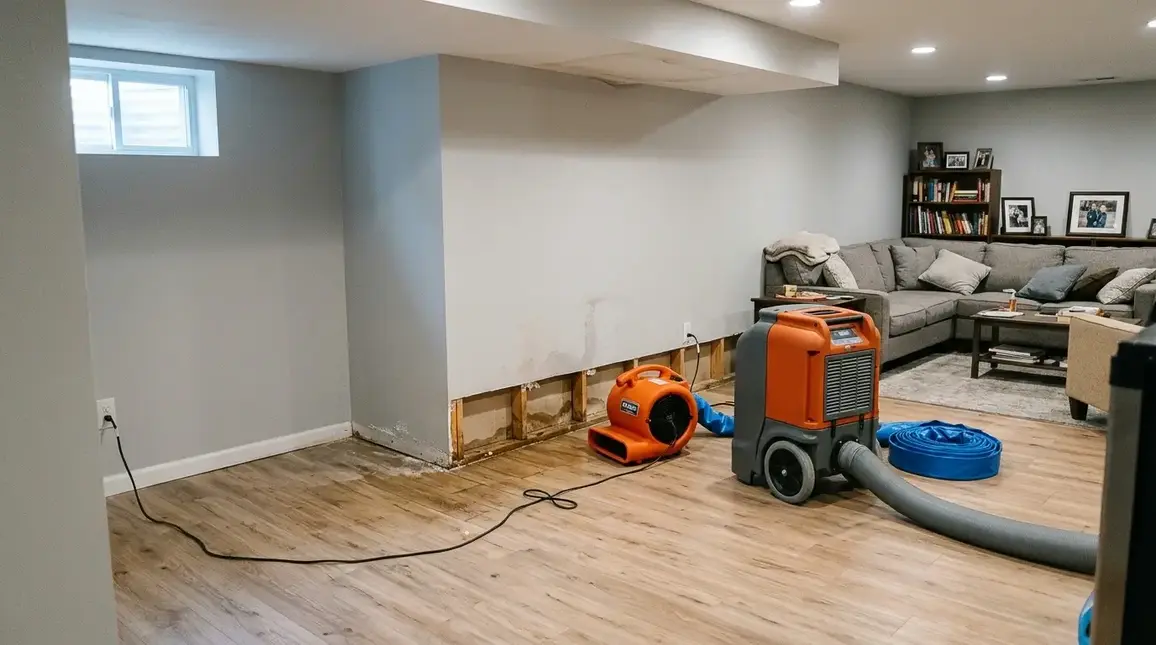
Water damage can affect basements, finished living spaces, and concealed building materials in homes throughout the Kansas City area.
KC Water Damage Pros provides water damage restoration and emergency cleanup services throughout the Kansas City metropolitan area in Missouri and Kansas. Services include emergency water extraction, flood cleanup, structural drying, burst pipe water damage cleanup, sewage cleanup, moisture control, and restoration support for residential and commercial properties. Whether water damage results from a plumbing failure, flooding, an appliance leak, or another unexpected water intrusion, our service area includes communities throughout the greater Kansas City region.
Water damage can affect flooring, drywall, insulation, structural materials, and personal belongings. These answers explain common water damage concerns, cleanup considerations, and restoration services available to property owners in the Kansas City area.
Whether you're dealing with a burst pipe, flooding, a leaking appliance, saturated flooring, or moisture affecting walls and building materials, KC Water Damage Pros helps property owners address water damage through water extraction, flood cleanup, and structural drying. Acting quickly can help limit further damage, reduce lingering moisture, and protect your home or commercial property.